
Chlorinated Polyethylene
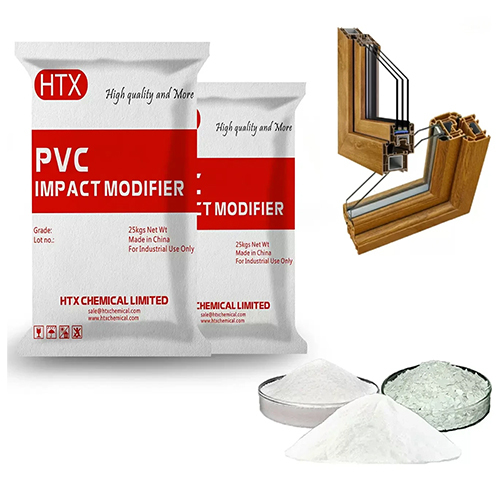

Chlorinated Polyethylene Specification
- Product Type
- Chlorinated Polyethylene
- Storage
- Room Temperature
- Physical Form
- Powder
- Purity
- High
- Appearance
- Powder
- Application
- Industrial
- Grade
- Industrial
- Poisonous
- NO
- Taste
- Odorless
Chlorinated Polyethylene Trade Information
- Minimum Order Quantity
- 10 Tons
- Supply Ability
- 100000 Tons Per Month
- Delivery Time
- 3 Week
About Chlorinated Polyethylene
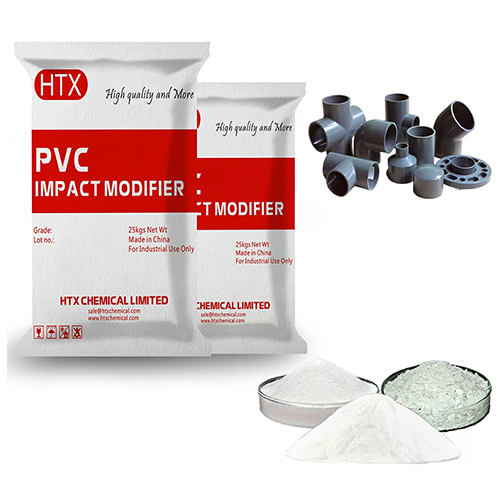
Product OverviewCPE 135A is a high molecular weight elastomer obtained by chlorination modification of polyethylene, with a chlorine content typically of 35 1%, and belongs to the category of CPE products with moderate chlorine content. As one of the most widely used impact modifiers in the field of PVC modification, it has excellent toughening effect, weather resistance, and cost-effectiveness, especially suitable for hard PVC door and window profiles, pipes, and other building materials. Key characteristics Chlorine content: 35 + 1% (optimal balance point between processability and toughness) Glass transition temperature (Tg): about -15 oC (endows low temperature impact resistance) Particle morphology: White or slightly yellow free flowing powder Apparent density: 0.50-0.60g/cm3 Thermal decomposition temperature: > 170 DegC (matching with PVC processing temperature) Core functional advantagesExcellent impact resistance modification Can increase the notch impact strength of rigid PVC by 8-15 times Maintain good toughness even in a low temperature environment of -20 DegC Outstanding weather resistance performance No double bond structure in the molecule, significantly better UV aging resistance than MBS/ABS Outdoor service life can reach more than 10 years (accelerated aging test for door and window profiles) Excellent processing performance Good compatibility with PVC, reducing plasticizing time by 15-20% High melt strength, suitable for complex cross-section extrusion Outstanding cost-effectiveness The cost is only 60-70% of ACR type modifiers Can partially replace expensive impact modifiers Typical application areas Building materials field (main applications) PVC door and window profiles (dosage 8-12 phr) Building drainage/water supply pipe (6-10phr) Plastic steel tile/anti-corrosion board (10-15 phr) Other areas Wire and cable sheath (used in conjunction with PE) Rubber product modification (replacing some CR rubber) Waterproof membrane (as a polymer modifier) Comparative advantages Characteristics CPE 135A Ordinary CPE ACR Impact modifier Impact resistance efficiency 4 Stars 3 Stars 6 Stars Weather resistance 5 Stars 4 Stars 6 Stars Processing fluidity 4 Stars 3 Stars 6 Stars Cost advantage 5 Stars 4 Stars 2 Stars Applicable temperature range -3070 oC -2060 DegC -4080 DegC This product optimizes the chlorination process and molecular weight distribution, while maintaining the cost-effectiveness advantage of traditional CPE, significantly improving impact resistance efficiency and processing performance. It is currently one of the most cost-effective modified solutions in the field of hard PVC building materials.FAQs of Chlorinated Polyethylene:
Q: What is the physical form of Chlorinated Polyethylene?
A: The physical form of Chlorinated Polyethylene is powder.Q: Is Chlorinated Polyethylene poisonous?
A: No, Chlorinated Polyethylene is not poisonous.Q: What is the grade of Chlorinated Polyethylene?
A: The grade of Chlorinated Polyethylene is industrial.Q: What does Chlorinated Polyethylene smell or taste like?
A: Chlorinated Polyethylene is odorless.Q: What is the recommended storage condition for Chlorinated Polyethylene?
A: Chlorinated Polyethylene should be stored at room temperature.Tell us about your requirement

Price:
Quantity
Select Unit
- 50
- 100
- 200
- 250
- 500
- 1000+
Additional detail
Mobile number
Email

More Products in PVC Impact Modifier Category
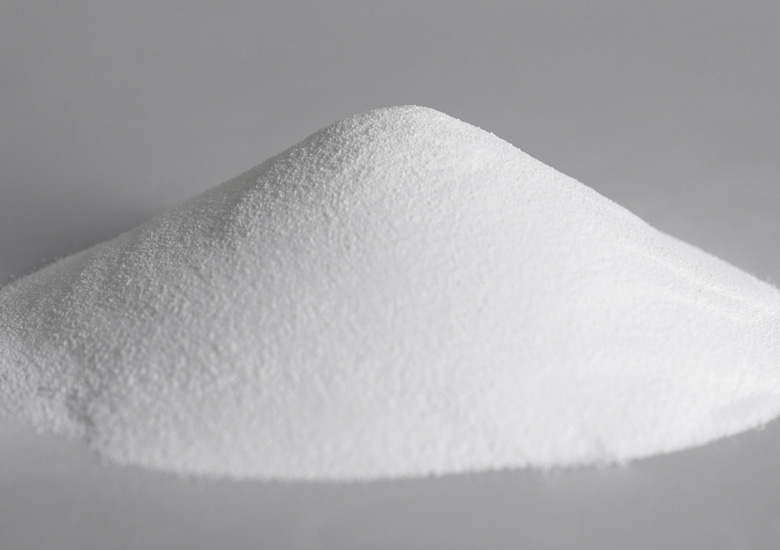
impact modifier
Price 1810.0 INR / Liter
Minimum Order Quantity : 1 Liter
Physical Form : Powder
Product Type : Impact Modifier
Poisonous : NO
Grade : Industrial Grade
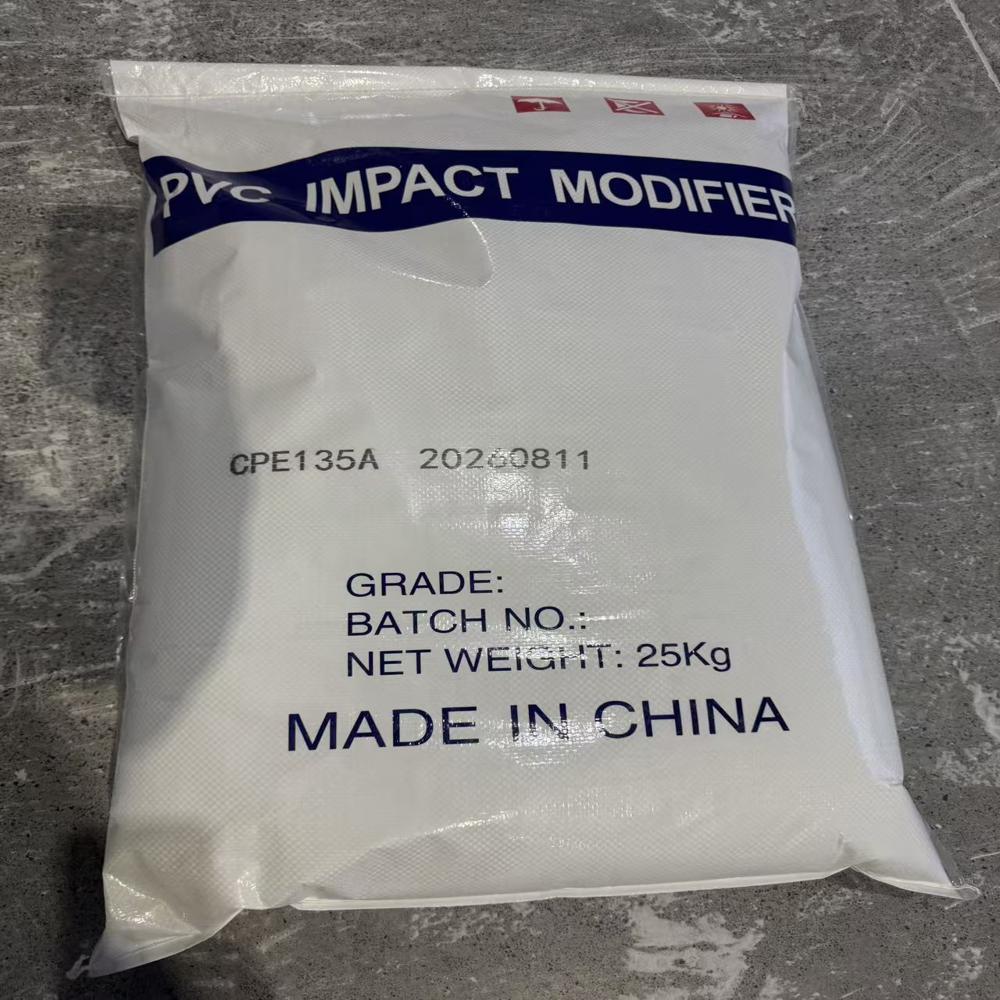
ACM impact modifier for PVC profile
Price 1200.0 INR / Piece
Minimum Order Quantity : 1 Piece
Physical Form : Powder
Product Type : General chemicals
Poisonous : NO
Grade : ACM 91
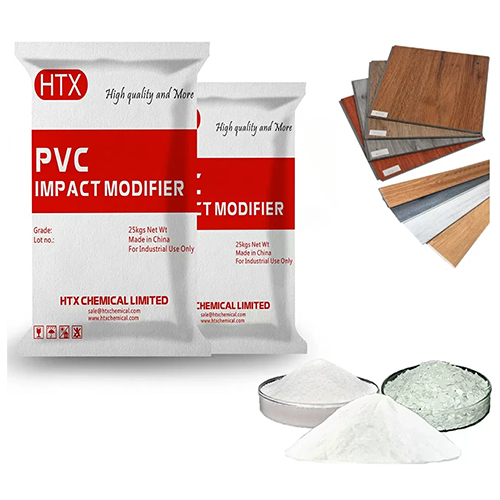
Acrylic Impact Modifier
Price 1600 USD ($) / Ton
Minimum Order Quantity : 10 Tons
Physical Form : Powder
Product Type : Acrylic Impact Modifier
Poisonous : NO
Grade : Industrial
MBS Impact Modifier
Price 1600 USD ($) / Ton
Minimum Order Quantity : 10 Tons
Physical Form : Powder
Product Type : Impact Modifier
Poisonous : NO
Grade : Industrial

Contact Us

- Yiyuan Economic Development Zone,Zibo - 256100, Shandong Sheng, China
- Email us : wong@htxchemical.com, sale@htxchemical.com

Shandong HTX Chemical Co., Ltd.

- Mr. Ben Wong (Director)
- Mobile : +8613360034539
- sale@htxchemical.com
 Send Inquiry
 Send Inquiry
 Call Me Free
Shandong HTX Chemical Co., Ltd.
All Rights Reserved.(Terms of Use)
Developed and Managed by Infocom Network Private Limited.
Developed and Managed by Infocom Network Private Limited.
 English
 Spanish
 French
 German
 Italian
 Chinese (Simplified)
 Japanese
 Korean
 Arabic
 Portuguese