
PVC WINDOW AND PROFILE IMPACT MODIFIER
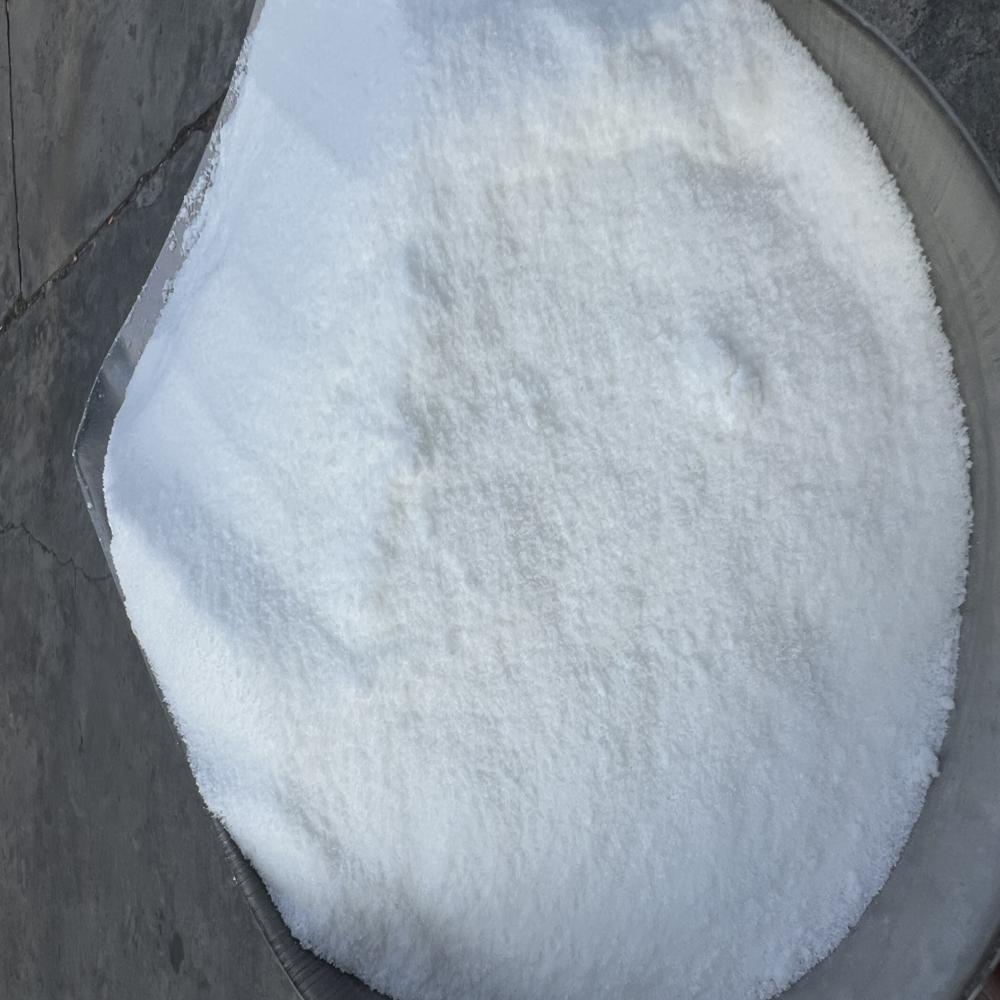
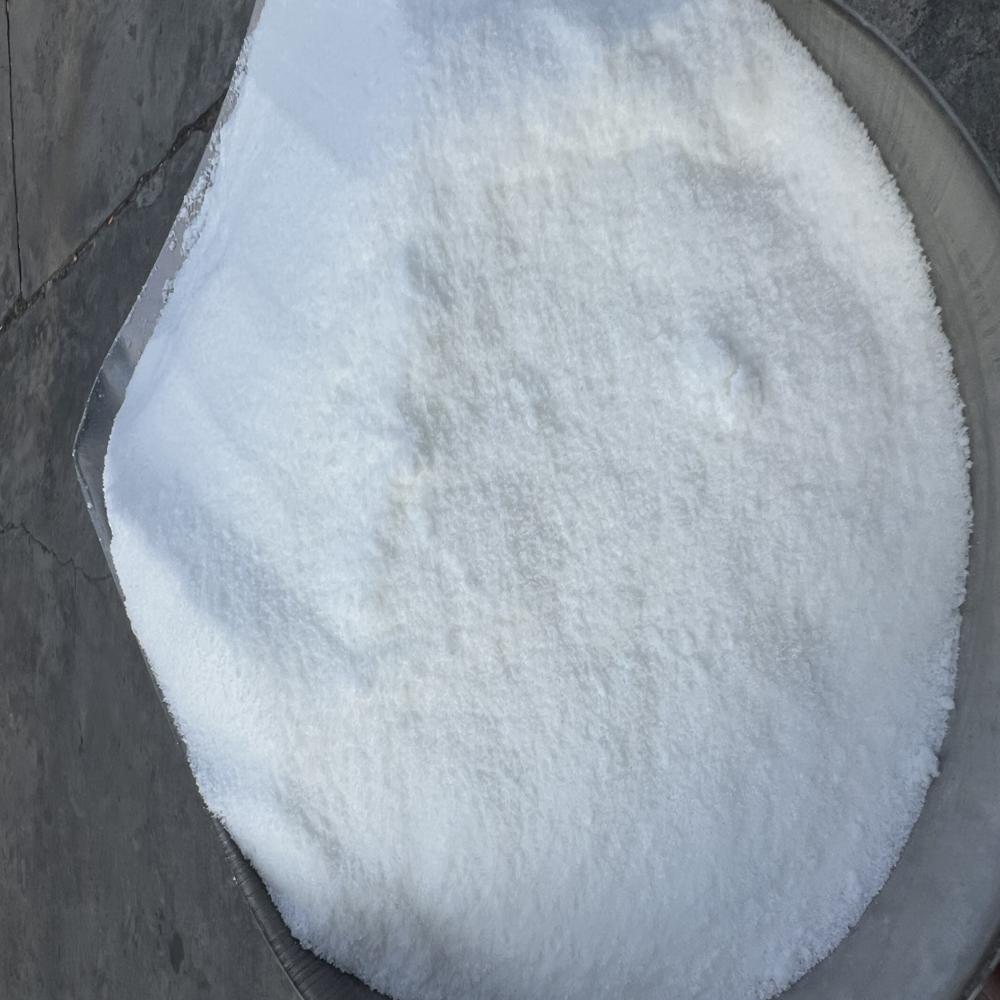
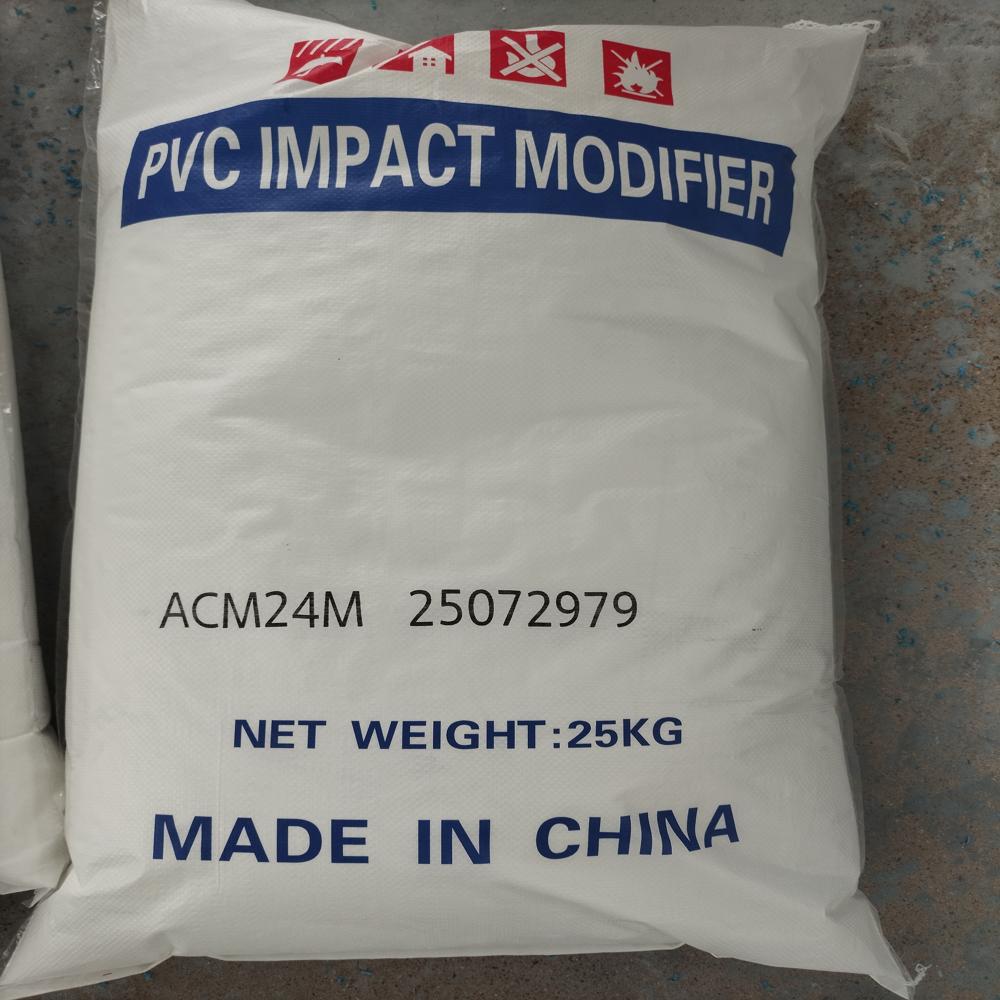

PVC WINDOW AND PROFILE IMPACT MODIFIER Specification
- Shape
- other
- Smell
- Other
- Physical Form
- Powder
- Melting Point
- 100
- Properties
- ACM impact modifier is a high-performance toughening solution for PVC door and window profiles, achieving the triple advantages of "low-temperature impact resistance+weather resistance+easy processing" through an interpenetrating network structure. It effectively solves the shortcomings of traditional modifiers (poor weather resistance of CPE, insufficient room temperature toughness of ACR, and non weather resistance of MBS), and is an ideal choice for improving the durability, outdoor stability, and production efficiency of doors and windows.
- Taste
- Other
- Appearance
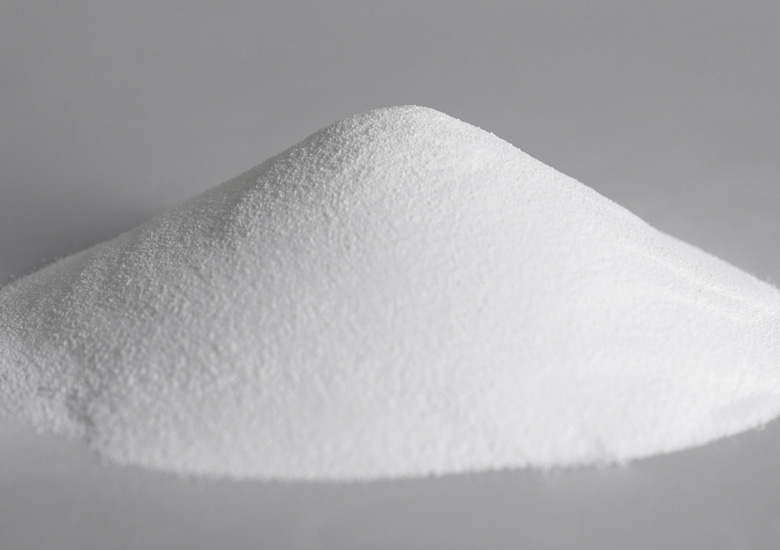
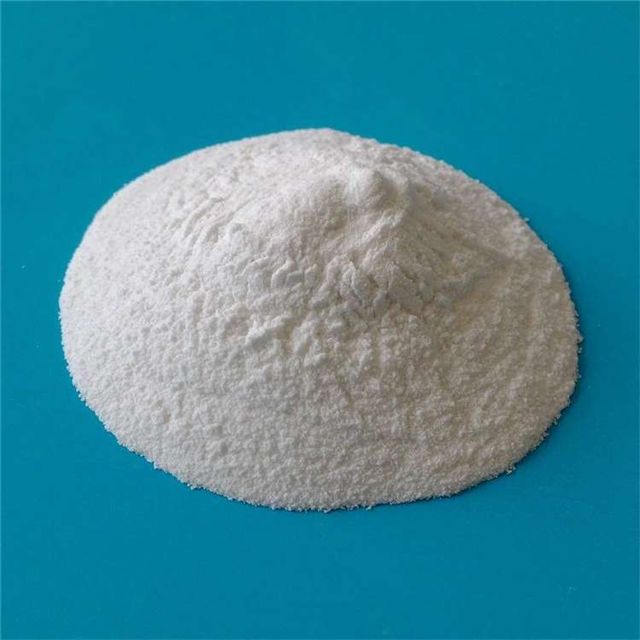
- White powder
- Shelf Life
- 2 Years
- Usage
- 6~10
- Application
- Industrial
- Ingredients
- HDPE
- Product Type
- General chemical
- HS Code
- 390690
- Storage
- Room Temperature
- Poisonous
- NO
- Purity
- 100%
PVC WINDOW AND PROFILE IMPACT MODIFIER Trade Information
- Minimum Order Quantity
- 1 Kilograms
- Supply Ability
- 100 Kilograms Per Month
- Delivery Time
- 10 Days
About PVC WINDOW AND PROFILE IMPACT MODIFIER
ACM is a high-performance impact modifier designed specifically for hard PVC door and window profiles. Its core is an interpenetrating network (IPN) structure of CPE grafted acrylic ester, which balances low-temperature toughness, weather resistance, and processability. It is the preferred solution to replace traditional CPE and ACR.
1 Product essence and working principle
1. Molecular structure
Made by interpenetrating network polymerization of lightly chlorinated HDPE (CPE) and core-shell structured acrylic ester, it combines the toughness of CPE with the weather resistance and compatibility of acrylic ester.
Core: A low glass transition temperature, lightly crosslinked acrylic elastomer that absorbs impact energy.
Shell: Methacrylate highly compatible with PVC, ensuring uniform dispersion in the PVC matrix.
Interpenetrating network: forms a stable cross-linked structure, enhances overall strength and heat resistance.
2. Toughening mechanism
When impacted, the elastic core undergoes deformation, triggering silver lines and shear bands, absorbing and dispersing impact energy, and preventing crack propagation.
The interpenetrating network structure enhances the intermolecular forces between PVC molecular chains, balancing toughness and rigidity, and solving the problem of pure PVC being brittle at low temperatures and lacking toughness at room temperature.
2 Core advantage (compatible with PVC door and window profiles)
1. Impact resistance performance (core selling point)
Excellent low-temperature impact resistance: In environments ranging from -10 to -20 , the impact strength is significantly better than CPE, making it suitable for doors and windows in cold regions.
Room temperature toughness balance: high elongation at break, strong resistance to impact and wind pressure, and less prone to cracking.
Enhancement of fillet welding strength: improves the toughness of the welded section of the profile and reduces the risk of cracking at the welded section.
2. Weather resistance and outdoor stability (essential for doors and windows)
UV/aging resistance: The molecular chain has no double bonds, and is resistant to ozone and weather, which is better than CPE/MBS. It is not easy to yellow or powder when used outdoors for a long time.
Dimensional stability: High thermal deformation temperature, not easily deformed at high temperatures, ensuring door and window sealing and appearance.
3. Processing adaptability (pain points for profile factories)
Fast plasticization and good fluidity: promote PVC melting, reduce extrusion torque, improve production efficiency, and adapt to high-speed extrusion lines.
Excellent surface gloss: The product has a smooth surface and high gloss, and can meet the standard without the need for additional processing aids.
Low addition amount: usually 6-10 phr (100 parts of PVC), the overall cost is better than traditional modification schemes.
Tell us about your requirement

Price:
Quantity
Select Unit
- 50
- 100
- 200
- 250
- 500
- 1000+
Additional detail
Mobile number
Email

More Products in PVC Impact Modifier Category
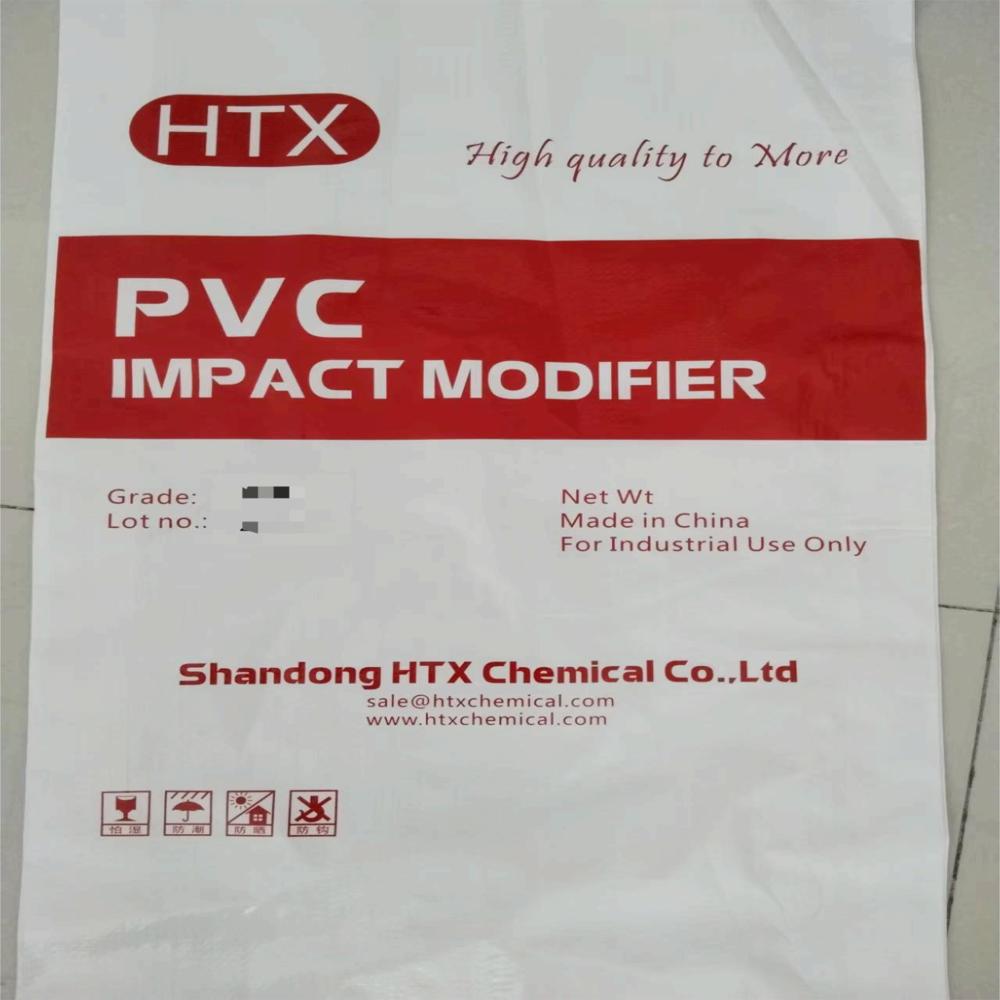
PVC IMPACT MODIFIER
Price 12500.0 INR / Ton
Minimum Order Quantity : 1 Ton
HS Code : 3906909090
Physical Form : Powder
Product Type : PVC Impact Modifier
Shelf Life : 2 Years
impact modifier
Price 1810.0 INR / Liter
Minimum Order Quantity : 1 Liter
HS Code : 39019090
Physical Form : Powder
Product Type : Impact Modifier
Shelf Life : 12 months from date of manufacture if stored correctly
mbs impact modifier
Price 2000.0 USD ($) / Kilograms
Minimum Order Quantity : 800 Kilograms
HS Code : 390290
Physical Form : Powder
Product Type : General chemical
Shelf Life : 2 Years
ACM for PVC pipe
Price 1400.0 USD ($) / Ton
Minimum Order Quantity : 1 Ton
HS Code : 390690
Physical Form : Powder
Product Type : General chemical
Shelf Life : 2 Years

Contact Us

- Yiyuan Economic Development Zone,Zibo - 256100, Shandong Sheng, China
- Email us : wong@htxchemical.com, sale@htxchemical.com

Shandong HTX Chemical Co., Ltd.

- Mr. Ben Wong (Director)
- Mobile : +8613360034539
- sale@htxchemical.com
 Send Inquiry
 Send Inquiry
Shandong HTX Chemical Co., Ltd.
All Rights Reserved.(Terms of Use)
Developed and Managed by Infocom Network Private Limited.
Developed and Managed by Infocom Network Private Limited.
 English
 Spanish
 French
 German
 Italian
 Chinese (Simplified)
 Japanese
 Korean
 Arabic
 Portuguese