
ACM impact moodifier
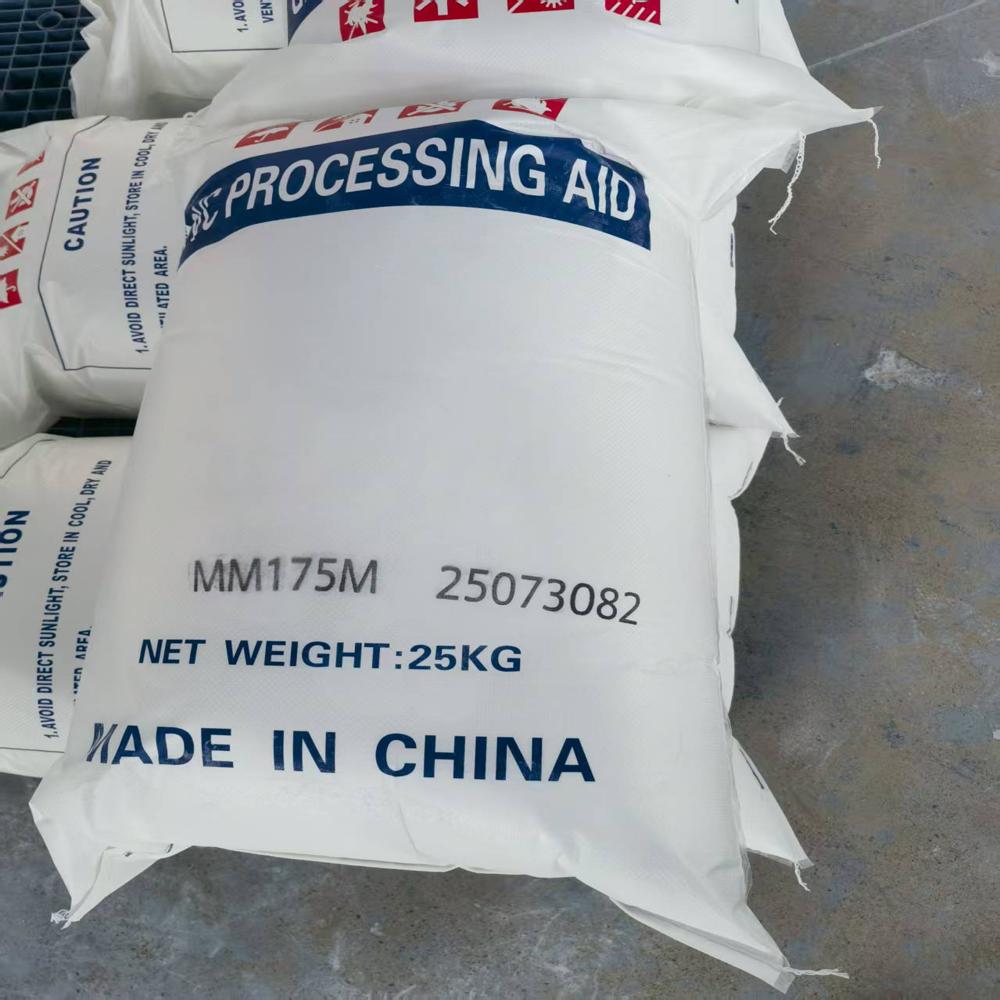
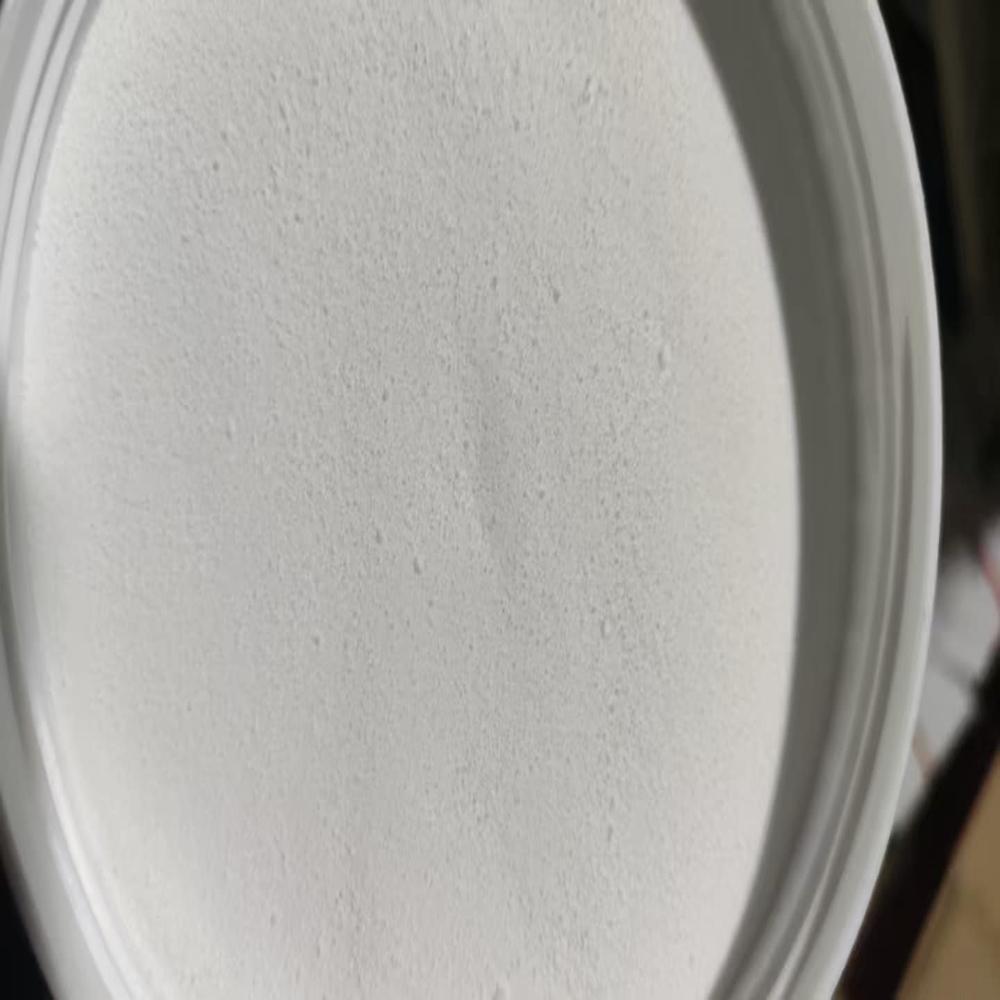

ACM impact moodifier Specification
- Poisonous
- NO
- Shape
- other
- Storage
- Room Temperature
- Taste
- Other
- Shelf Life
- 2 Years
- Appearance
- powder
- Physical Form
- Powder
- HS Code
- 390690
- Density
- 0.95 Gram per cubic centimeter(g/cm3)
- Smell
- Other
- Properties
- Did you know: What are the advantages of ACM compared to CPE135A impact modifier? In the field of PVC impact modification, choosing ACM instead of the traditional CPE135A means achieving comprehensive improvements in performance, efficiency, and sustainability. The following are the core advantages of ACM (acrylate impact modifier) over CPE135A (chlorinated polyethylene): I. Superior Performance - Superior Low-Temperature Impact Resistance: ACM maintains excellent toughness in low-temperature environments (-10 to -20 ), while CPE135A's low-temperature performance significantly declines. - Higher Light Transmittance and Better Color Stability: Suitable for transparent and light-colored products, with significantly better resistance to yellowing than CPE135A. - Better Weather Resistance: Stronger resistance to UV aging, extending outdoor service life by 30%-50%. II. Enhanced Processing Adaptability - Wider Processing Temperature Window: ACM maintains stable performance within the 160-200 range, reducing processing sensitivity. - Better Flowability: At the same addition level, ACM-modified PVC melt flow index increases by 15%-25%. - Less Exudation: Surface blooming and exudation problems are significantly reduced during long-term use. III. Optimized Efficiency and Cost - Lower Dosage: To achieve the same impact resistance, the dosage of ACM can be reduced by 10%-20% compared to CPE135A. - Lower Energy Consumption: Processing temperature can be reduced by 5-10 , saving energy. - Higher Yield: Reduces scrap rate due to insufficient impact strength. IV. Expanded Application Scenarios - Preferred for Transparent Products: Bottle caps, packaging films, medical transparent tubes, and other applications requiring high transparency. - Significant Advantages in Outdoor Products: Profiles, pipes, outdoor furniture, and other applications requiring high weather resistance. - High-Gloss Surface Products: Appliance casings, high-end decorative materials, and other applications requiring high surface finish. While ACM excels in most performance aspects, the specific choice still depends on product requirements, cost considerations, and processing conditions. For applications requiring high transparency, excellent weather resistance, and low-temperature toughness, ACM is the undisputed preferred choice; while for cost-sensitive indoor products with general performance requirements, CPE135A still has its application space. We can provide comparative sample tests of ACM and CPE135A to help you verify the differences in your actual formulations.
- Product Type
- General chemical
- Application
- Industrial
ACM impact moodifier Trade Information
- Minimum Order Quantity
- 1 Ton
- Delivery Time
- 7 Days
ACM impact moodifier About
Did you know: What are the advantages of ACM compared to CPE135A impact modifier?
In the field of PVC impact modification, choosing ACM instead of the traditional CPE135A means achieving comprehensive improvements in performance, efficiency, and sustainability. The following are the core advantages of ACM (acrylate impact modifier) over CPE135A (chlorinated polyethylene):
I. Superior Performance
- Superior Low-Temperature Impact Resistance: ACM maintains excellent toughness in low-temperature environments (-10 to -20), while CPE135A's low-temperature performance significantly declines.
- Higher Light Transmittance and Better Color Stability: Suitable for transparent and light-colored products, with significantly better resistance to yellowing than CPE135A.
- Better Weather Resistance: Stronger resistance to UV aging, extending outdoor service life by 30%-50%.
II. Enhanced Processing Adaptability
- Wider Processing Temperature Window: ACM maintains stable performance within the 160-200 range, reducing processing sensitivity.
- Better Flowability: At the same addition level, ACM-modified PVC melt flow index increases by 15%-25%.
- Less Exudation: Surface blooming and exudation problems are significantly reduced during long-term use.
III. Optimized Efficiency and Cost
- Lower Dosage: To achieve the same impact resistance, the dosage of ACM can be reduced by 10%-20% compared to CPE135A.
- Lower Energy Consumption: Processing temperature can be reduced by 5-10, saving energy.
- Higher Yield: Reduces scrap rate due to insufficient impact strength.
IV. Expanded Application Scenarios
- Preferred for Transparent Products: Bottle caps, packaging films, medical transparent tubes, and other applications requiring high transparency.
- Significant Advantages in Outdoor Products: Profiles, pipes, outdoor furniture, and other applications requiring high weather resistance.
- High-Gloss Surface Products: Appliance casings, high-end decorative materials, and other applications requiring high surface finish.
While ACM excels in most performance aspects, the specific choice still depends on product requirements, cost considerations, and processing conditions. For applications requiring high transparency, excellent weather resistance, and low-temperature toughness, ACM is the undisputed preferred choice; while for cost-sensitive indoor products with general performance requirements, CPE135A still has its application space.
We can provide comparative sample tests of ACM and CPE135A to help you verify the differences in your actual formulations.
Why Choose ACM over CPE135A?
ACM (acrylate impact modifier) presents notable advantages compared to CPE135A in the field of PVC impact modification. It excels in low-temperature impact resistance, retains toughness under challenging industrial conditions, and enables improved processing efficiency. In addition, ACM demonstrates greater environmental compatibility and helps companies move towards more sustainable practices.
Reliable Performance in Industrial Settings
Designed for industrial applications, ACM impact modifier integrates seamlessly with PVC compounds. Its physical powder form allows uniform blending and dispersion, optimizing the final product's mechanical properties. Manufacturers benefit from ACM's consistent performance even when subjected to demanding environments.
FAQ's of ACM impact moodifier:
Q: How does ACM impact modifier improve PVC product performance compared to CPE135A?
A: ACM impact modifier offers significantly superior low-temperature impact resistance than CPE135A, maintaining excellent toughness in conditions as low as -10C to -20C. This enhances product reliability and durability in applications that demand resilience under varying industrial environments.Q: What is the recommended process for incorporating ACM into industrial PVC applications?
A: Integrate ACM, which is provided in powder form, by blending it thoroughly with PVC compounds during processing. The modifier disperses uniformly, ensuring effective impact enhancement throughout the final product. Standard extrusion, injection molding, or similar industrial techniques are compatible.Q: Where can ACM impact modifier be stored, and does it require special conditions?
A: ACM should be stored at room temperature in a dry environment. No special storage conditions are required, as the product is non-toxic and stable, maintaining its quality over its 2-year shelf life.Q: When should manufacturers choose ACM over CPE135A for their production needs?
A: Manufacturers should opt for ACM when superior low-temperature impact resistance, improved processing efficiency, and sustainable material considerations are prioritized. ACM is appropriate for applications where continuous performance and product longevity are crucial.Q: What are the main benefits of ACM's physical properties for industrial usage?
A: With a density of 0.95 g/cm3 and a stable powder form, ACM allows for easy handling, precise dosing, and uniform mixing. This leads to consistent processing results and optimally modified PVC products, supporting large-scale industrial requirements.Q: Is ACM impact modifier environmentally safer compared to CPE135A?
A: Yes, ACM is a non-toxic, acrylate-based modifier that offers improved environmental compatibility relative to chlorinated polyethylene (CPE135A). Choosing ACM aligns with sustainability goals and reduces potential environmental hazards.Tell us about your requirement

Price:
Quantity
Select Unit
- 50
- 100
- 200
- 250
- 500
- 1000+
Additional detail
Mobile number
Email

More Products in PVC Impact Modifier Category
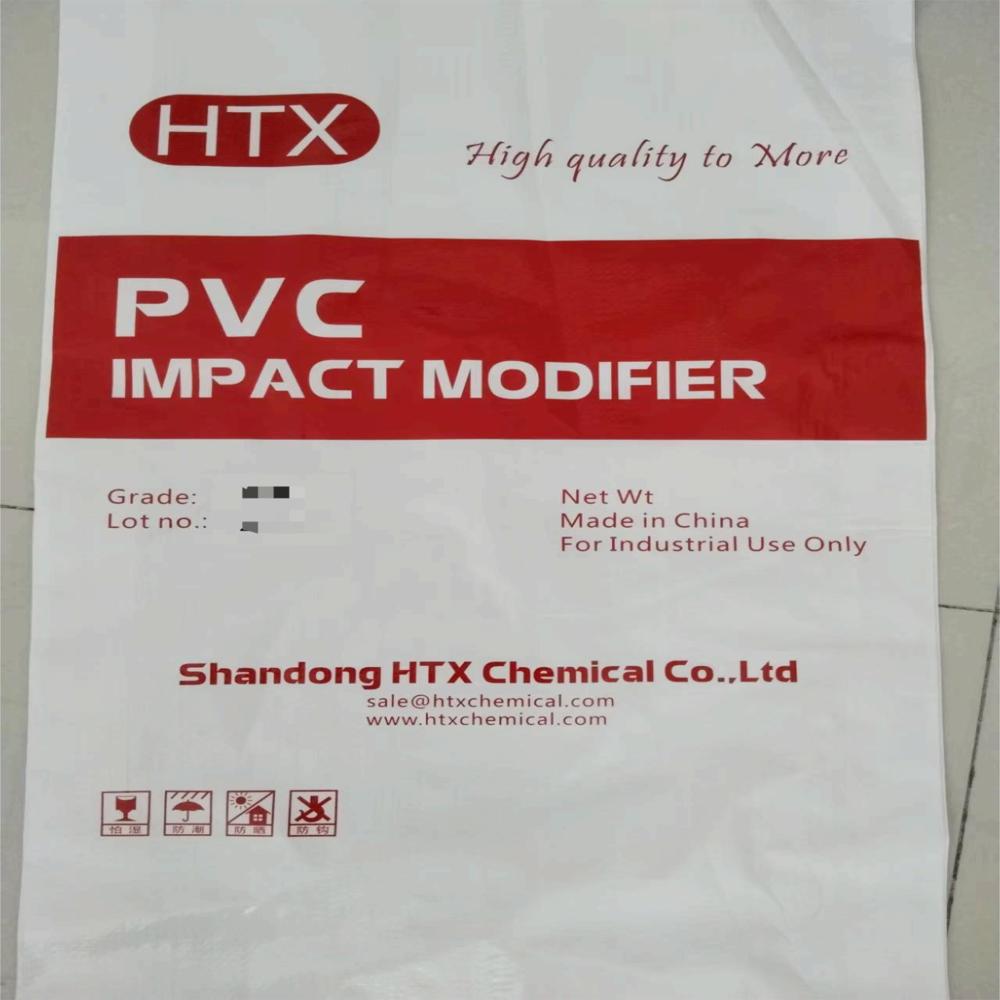
PVC IMPACT MODIFIER
Price 12500.0 INR / Ton
Minimum Order Quantity : 1 Ton
Physical Form : Powder
Product Type : PVC Impact Modifier
Poisonous : NO
Taste : Odorless
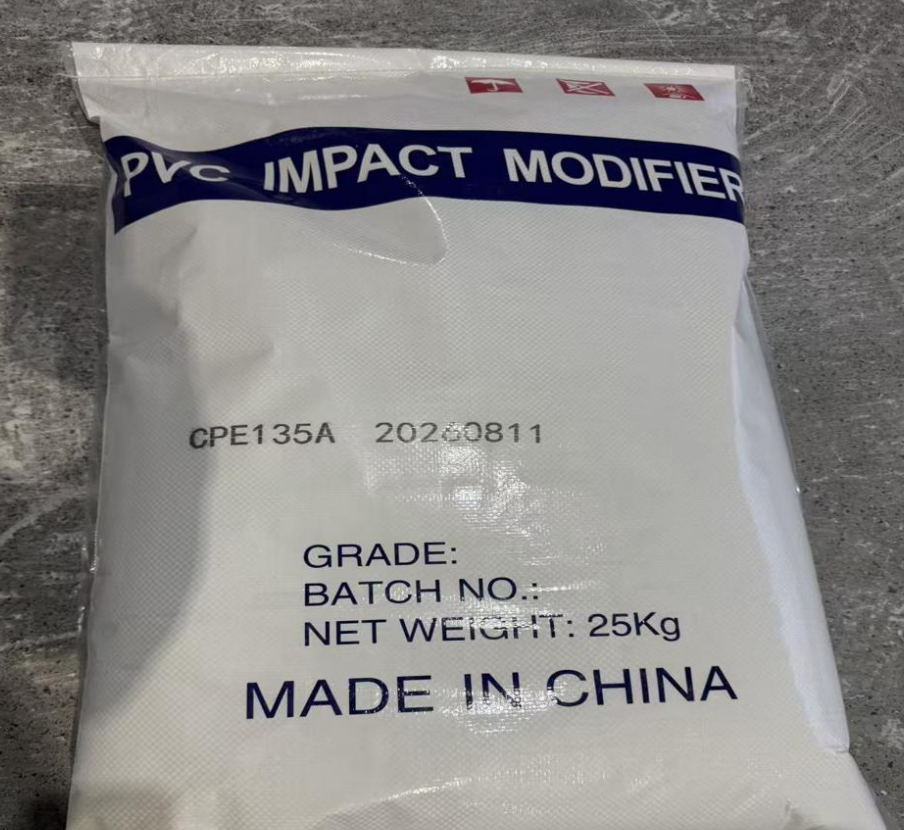
ACM 91 Impact Modifier for PVC Profile
Price 1200.0 INR / Piece
Minimum Order Quantity : 1 Piece
Physical Form : Powder
Product Type : General chemical
Poisonous : NO
Taste : Other
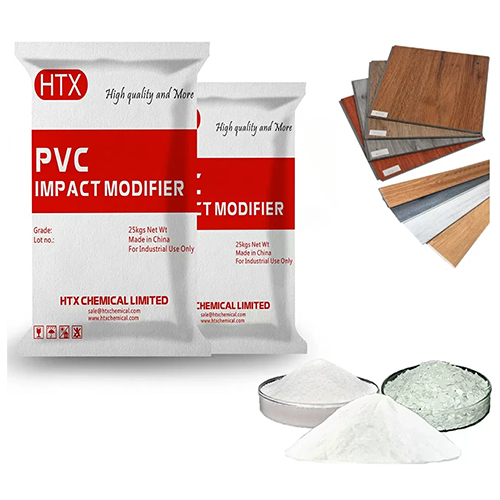
Acrylic Impact Modifier
Price 1600 USD ($) / Ton
Minimum Order Quantity : 10 Tons
Physical Form : Powder
Product Type : Acrylic Impact Modifier
Poisonous : NO
Taste : Odorless
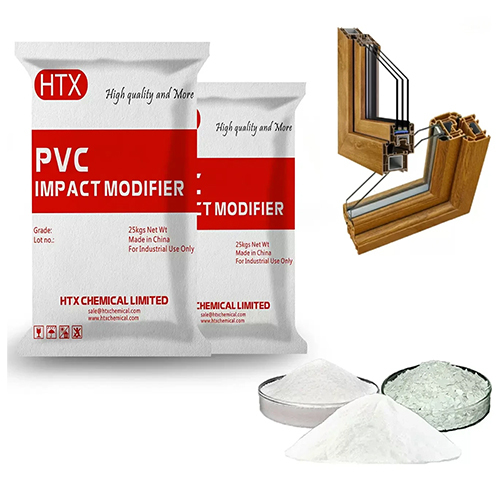
Chlorinated Polyethylene
Price 1600 USD ($) / Ton
Minimum Order Quantity : 10 Tons
Physical Form : Powder
Product Type : Chlorinated Polyethylene
Poisonous : NO
Taste : Odorless

Contact Us

- Yiyuan Economic Development Zone,Zibo - 256100, Shandong Sheng, China
- Email us : wong@htxchemical.com, sale@htxchemical.com

Shandong HTX Chemical Co., Ltd.

- Mr. Ben Wong (Director)
- Mobile : +8613360034539
- sale@htxchemical.com
 Send Inquiry
 Send Inquiry
 Call Me Free
Shandong HTX Chemical Co., Ltd.
All Rights Reserved.(Terms of Use)
Developed and Managed by Infocom Network Private Limited.
Developed and Managed by Infocom Network Private Limited.
 English
 Spanish
 French
 German
 Italian
 Chinese (Simplified)
 Japanese
 Korean
 Arabic
 Portuguese