
pvc compound stabilizer
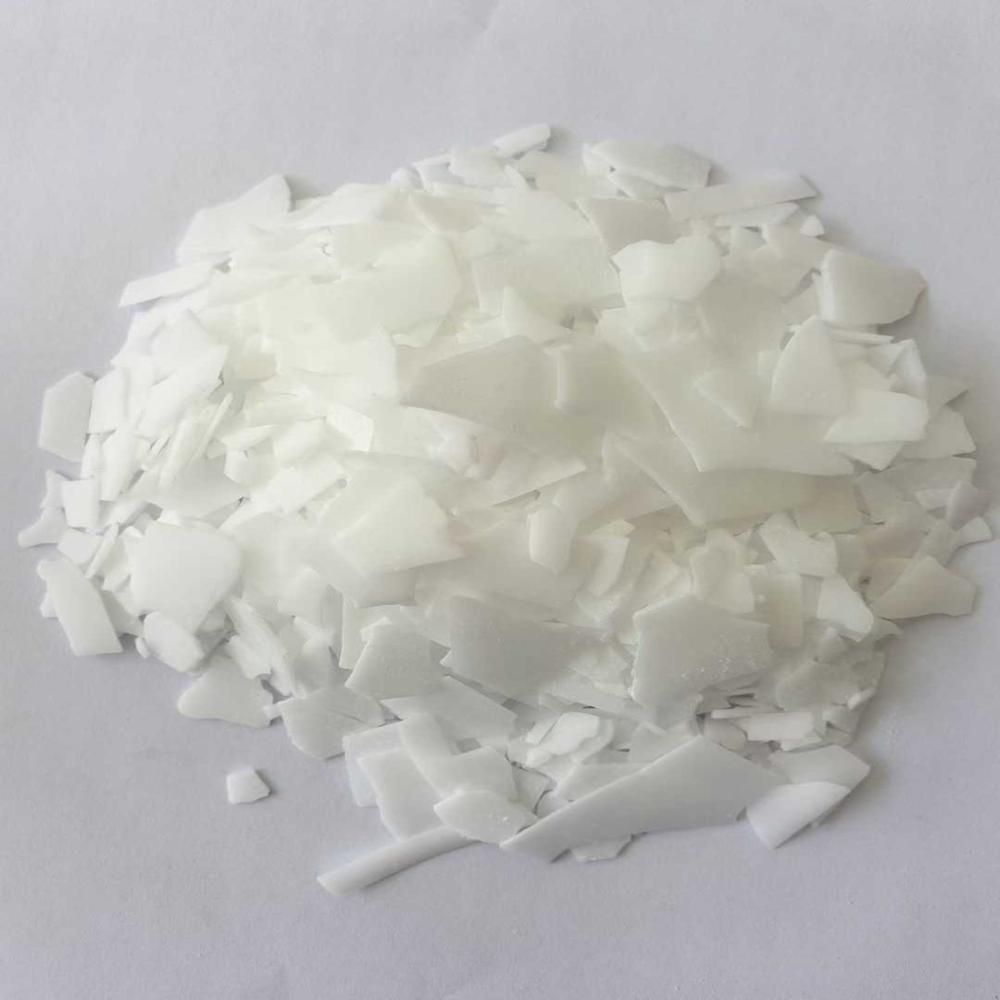
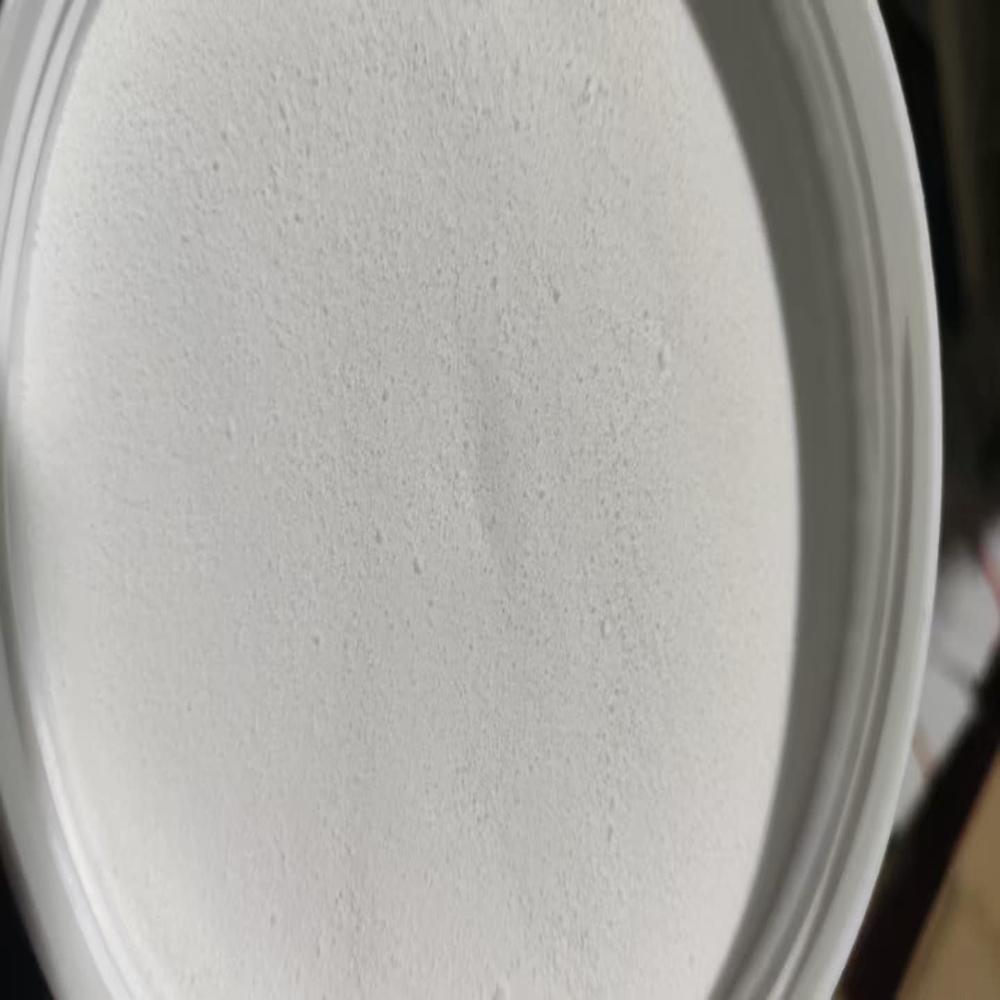

pvc compound stabilizer Specification
- Melting Point
- PVC compound stabilizer
- Form
- Powder
- HS Code
- 3812399000
- Chemical Name
- PVC stabilizer
- Grade
- Industrial Grade
- Usage
- 3.0~5.0
- Application
- Industrial
- Non Toxic
- No
pvc compound stabilizer About
PVC compound stabilizers are key additives in PVC plastic formulations. Their core function is to prevent PVC resin from degrading, discoloring, and experiencing performance decline during processing and use due to factors such as heat, light, and oxygen.
PVC resin itself has poor thermal stability. When the temperature exceeds approximately 160C (processing temperatures are typically 170-220C), the PVC molecular chain begins to decompose, releasing hydrogen chloride gas and causing the material to:
Discoloration: from yellow orange red brown black.
Performance degradation: decreased strength and toughness, rendering it unusable.
Processing difficulties: decomposition forms insoluble substances, affecting production continuity and product appearance.
Stabilizers are essential components to inhibit this chain reaction.
Main functions:
1. Absorbing HCl: Neutralizing the hydrogen chloride produced during decomposition, preventing its autocatalytic acceleration of decomposition.
2. Replacing unstable chlorine atoms: Some unstable chlorine atoms (such as allyl chloride) exist on the PVC molecular chain; stabilizers can react with them to form a more stable structure.
3. Antioxidant and UV Protection: Prevents PVC from aging due to oxidation and UV exposure.
4. Improved Processing Performance: Some stabilizers also act as lubricants, aiding in material melting and demolding.
5. Maintaining Product Color and Transparency: This is the most direct indicator of stabilizer efficiency.
In summary, PVC compound stabilizers are the technological cornerstone of the widespread application of PVC materials. From the initially toxic but highly effective lead salts, they have evolved to today's environmentally friendly and efficient systems such as calcium-zinc and organotin, continuously moving towards greater safety, efficiency, and specialization.
Reliable Stabilization for PVC Processing
PVC compound stabilizer ensures consistent protection against thermal and oxidative stress during PVC processing. Its industrial-grade quality makes it suitable for rigorous applications, supporting the extrusion, molding, and calendaring of PVC products. The product's powder form provides easy mixing and even dispersion throughout the resin, helping manufacturers achieve optimal results while maintaining product integrity.
Versatile Distribution Across India
As an exporter, manufacturer, supplier, and trader, the PVC compound stabilizer is readily available throughout India. It caters to a diverse range of PVC processing industries, from pipes and fittings to films and cables. The reliable supply chain ensures clients receive quality-assured stabilizers that comply with Indian and global standards, helping improve product durability and performance.
FAQ's of pvc compound stabilizer:
Q: How is PVC compound stabilizer used in industrial applications?
A: PVC compound stabilizer is mixed into PVC resin at a recommended dosage of 3.0~5.0 parts per hundred parts of resin. This stabilizer enhances the thermal stability and processing characteristics of PVC, making it ideal for manufacturing pipes, fittings, cables, and sheets.Q: What benefits does the industrial grade PVC stabilizer offer?
A: The industrial grade PVC stabilizer protects PVC products from degradation due to heat and oxidation, extends lifespan, and improves the physical properties of the final products. Its consistent quality ensures suitability for high-demand industrial processes.Q: When should PVC stabilizer be incorporated during manufacturing?
A: PVC stabilizer should be added during the initial mixing phase before the extrusion or molding process. Introducing it early helps ensure uniform stabilization throughout the material during heating and shaping.Q: Where can I source PVC compound stabilizer in India?
A: You can source PVC compound stabilizer from authorized distributors, exporters, manufacturers, suppliers, and traders across India. Ensure you partner with reputable suppliers to guarantee product quality and regulatory compliance.Q: What is the typical process for applying PVC compound stabilizer?
A: The typical process involves thoroughly blending the stabilizer powder with the PVC resin, followed by processing through extrusion, molding, or calendaring equipment. Proper dispersion ensures effective stabilization during product formation.Q: How does the HS Code 3812399000 relate to this product?
A: HS Code 3812399000 classifies PVC compound stabilizers under chemical additives for plastics. This international code ensures the product meets trade, export, and import requirements, making it easier to conduct transactions globally.Tell us about your requirement

Price:
Quantity
Select Unit
- 50
- 100
- 200
- 250
- 500
- 1000+
Additional detail
Mobile number
Email

More Products in PVC Stabilizer Category
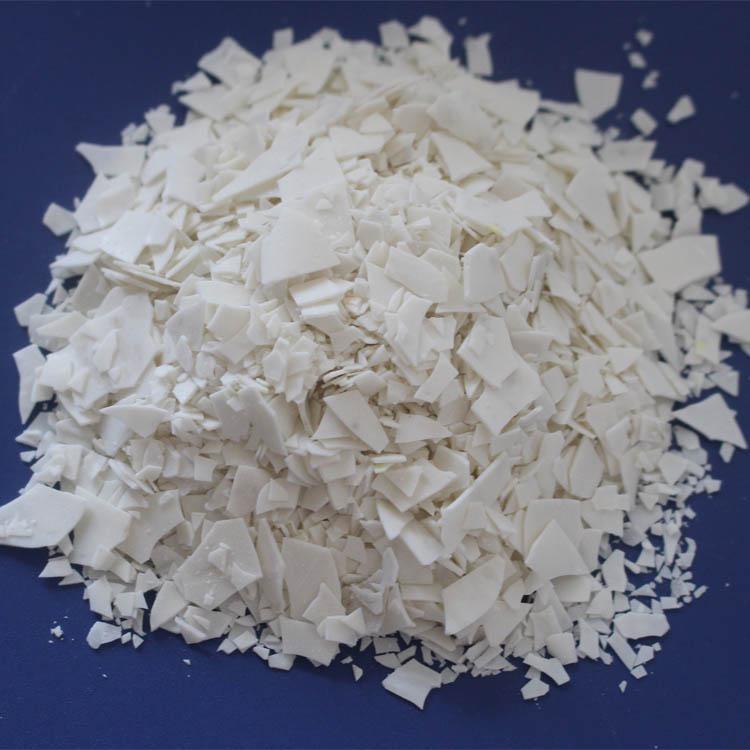
lead stabilizer in pvc
Price 1500.0 USD ($) / Ton
Minimum Order Quantity : 1 Ton
Chemical Name : Lead Salt Stabilizer
Purity : 99%
Shape : Other, Powder/Granule
Grade : Other, Technical Grade
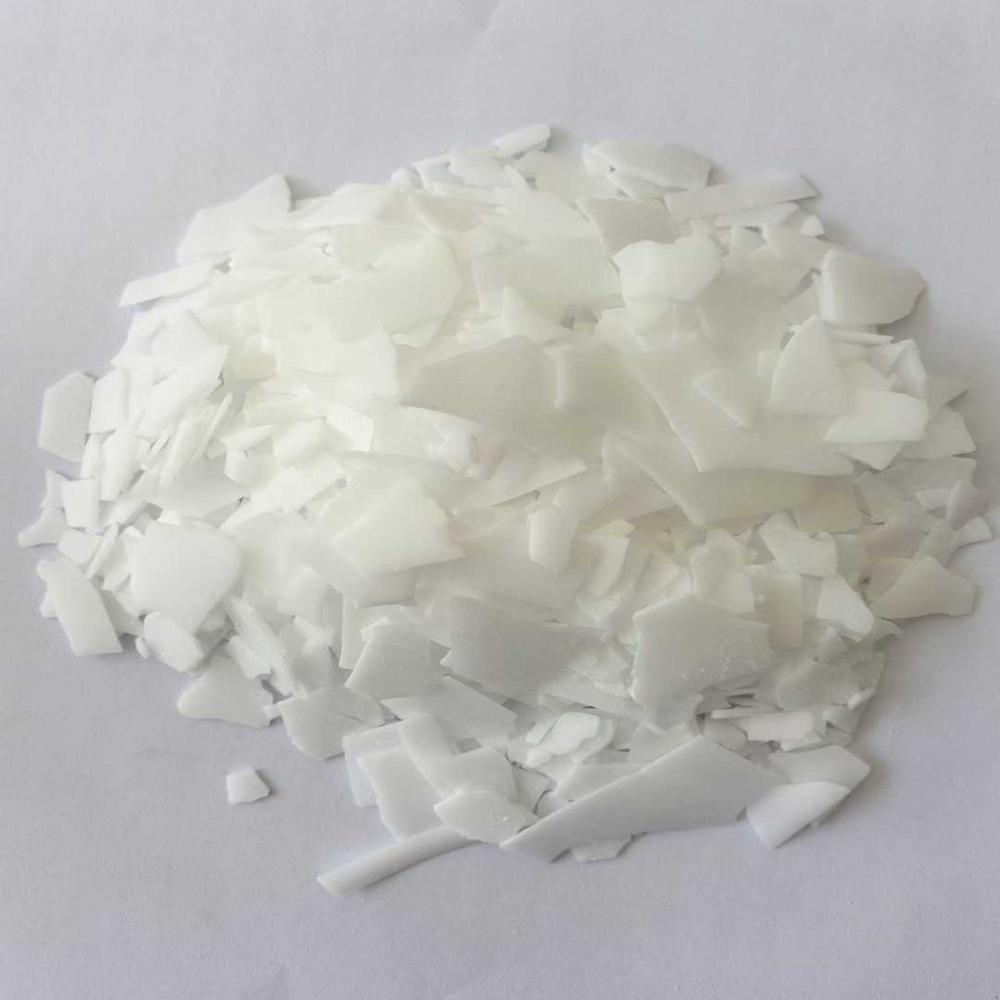
Lead stabilizer in PVC
Price 1500.0 USD ($) / Ton
Minimum Order Quantity : 1 Ton
Chemical Name : Leadbased PVC Stabilizer
Purity : 98%
Shape : Other, Granule or powder
Grade : Industrial Grade
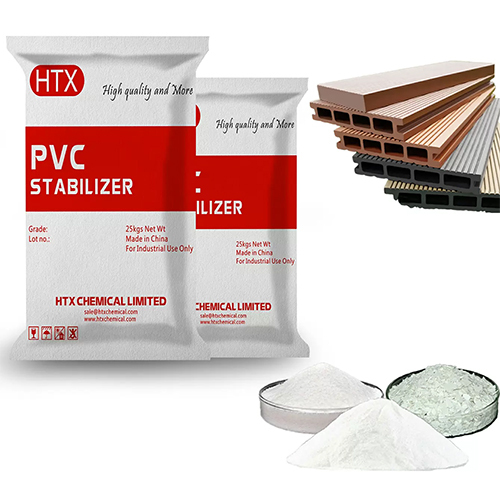
Ca Zn stabilizer
Price 1550 USD ($) / Ton
Minimum Order Quantity : 10 Tons
Chemical Name : Compound Lead Stabilizer
Purity : Very high
Shape : Powder
Grade : Industrial Grade
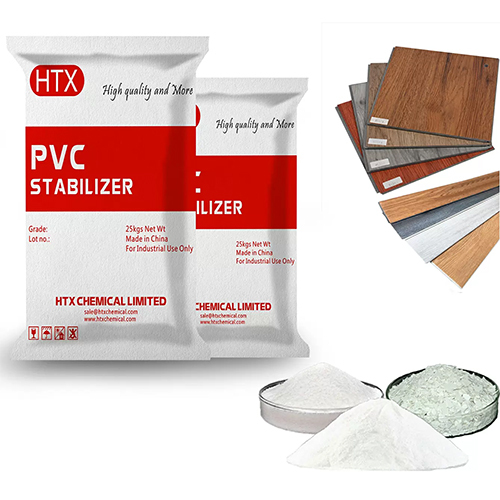
Lead Compound Stabilizer
Price 1550 USD ($) / Ton
Minimum Order Quantity : 10 Tons
Chemical Name : Compound Lead Stabilizer
Purity : Very high
Shape : Powder
Grade : Industrial Grade

Contact Us

- Yiyuan Economic Development Zone,Zibo - 256100, Shandong Sheng, China
- Email us : wong@htxchemical.com, sale@htxchemical.com

Shandong HTX Chemical Co., Ltd.

- Mr. Ben Wong (Director)
- Mobile : +8613360034539
- sale@htxchemical.com
 Send Inquiry
 Send Inquiry
 Call Me Free
Shandong HTX Chemical Co., Ltd.
All Rights Reserved.(Terms of Use)
Developed and Managed by Infocom Network Private Limited.
Developed and Managed by Infocom Network Private Limited.
 English
 Spanish
 French
 German
 Italian
 Chinese (Simplified)
 Japanese
 Korean
 Arabic
 Portuguese