
Lead stabilizer in PVC
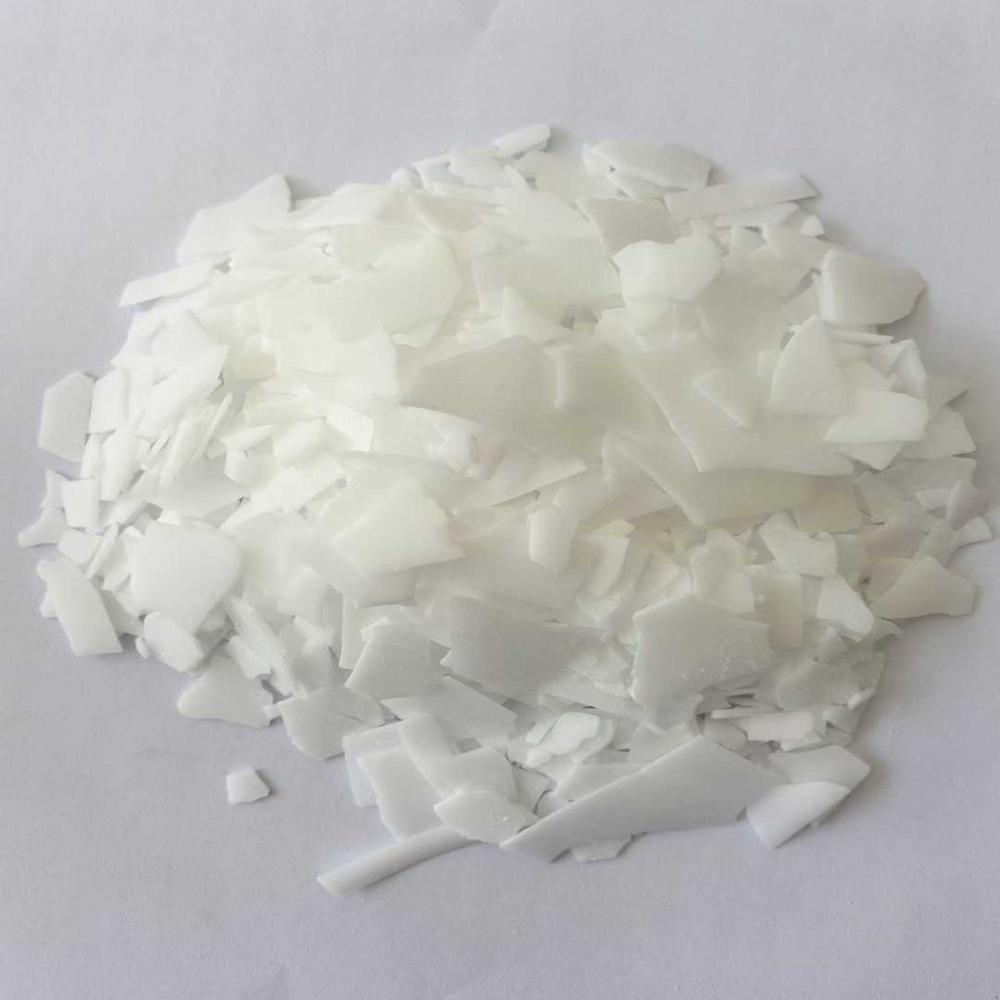
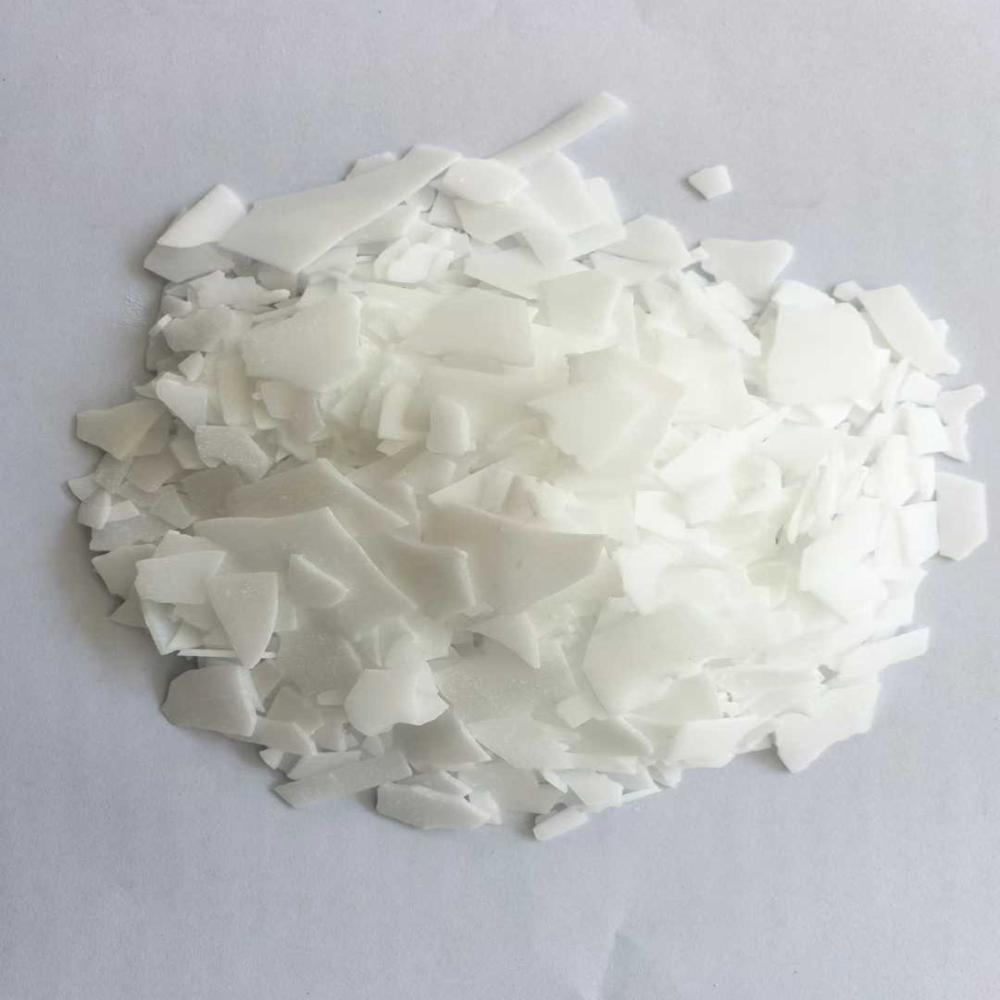

Lead stabilizer in PVC Specification
- Taste
- Odorless, tasteless
- HS Code
- 38123
- Form
- Other
- Molecular Formula
- Varies (Based on specific lead compounds)
- Solubility
- Insoluble in water, soluble in organic solvents
- Smell
- Odorless
- Storage
- Room Temperature
- Molecular Weight
- Varies
- Boiling point
- Decomposes before boiling
- Other Names
- Lead PVC Stabilizer, Pb Stabilizer
- Melting Point
- 150-170C (varies by grade)
- Poisonous
- No
- Density
- 3.0 Gram per cubic centimeter(g/cm3)
- Structural Formula
- Varies with composition
- Purity
- 98%
- Shape
- Granule or powder
- Ph Level
- Neutral
- Classification
- Inorganic Compound
- Chemical Name
- Lead-based PVC Stabilizer
- CAS No
- 7439-92-1 (Lead) / Various
- EINECS No
- 215-290-6
- Grade
- Industrial Grade
- Standard
- Meets industrial product standards for PVC stabilizers
- Type
- Heat Stabilizer
- Usage
- Additive in PVC processing to prevent degradation
- Main Material
- Lead salts and mixed metal compounds
- Application
- Plastic
- Non Toxic
- Yes
- Appearance
- White or off-white powder
- Shelf Life
- 12 months from date of manufacture
- Recommended Dosage
- 2.0-5.0 phr depending on application
- Packaging
- 25 kg bags or as requested
- Hazard Statement
- Toxic if swallowed or inhaled; handle with proper protection
- Heavy Metal Content
- Controlled as per regulations
- Moisture Content
- <0.5%
- Environmental Impact
- Restricted use due to lead content; follow local disposal regulations
- Lead Content
- As per standard or customized
- Thermal Stability
- Excellent for high temperature PVC processing
- Compatibility
- Compatible with various plasticizers and resins
Lead stabilizer in PVC Trade Information
- Minimum Order Quantity
- 1 Ton
- Delivery Time
- 7 Days
Lead stabilizer in PVC About
PVC composite stabilizers are multifunctional stabilization systems specifically designed for polyvinyl chloride (PVC) processing. They are not single chemicals, but rather physical mixtures or chemical combinations of multiple functional components. Their core function is to prevent PVC resin from degrading and discoloring due to heat, light, and oxygen during processing and use.
1. Essence and Purpose:
Essence: A "formulation package" or "one-stop" stabilization solution.
Core Purpose: To efficiently and synergistically stabilize PVC, preventing molecular chain breakage (thermal degradation) during high-temperature processing (such as extrusion, calendering, and injection molding), which leads to yellowing, blackening, and decreased mechanical properties.
2. Main Components (typically containing the following four categories of components):
Primary Stabilizer: Provides basic stabilization. The most common is the calcium/zinc (Ca/Zn) complex, an environmentally friendly and non-toxic "green" stabilizer that has widely replaced traditional lead and cadmium salts. Other complexes are based on tin, antimony, etc.
Auxiliary (Synergistic) Stabilizers: Such as -diketones, polyols, phosphites, etc. While these stabilizers themselves have weak stabilizing effects, when combined with primary stabilizers (especially calcium and zinc), they can significantly improve thermal stability and early colorfastness, achieving a "1+1>2" effect.
Lubricants: such as polyethylene wax, oxidized polyethylene wax, stearic acid, etc. This is one of the key advantages of composite stabilizers; they integrate internal/external lubrication functions, ensuring that PVC is uniformly plasticized in processing equipment and can be easily demolded, preventing sticking to rollers.
Other functional additives: Antioxidants, light stabilizers, processing aids, etc., may be added as needed.
3. Key Advantages:
Ease of Use: Users only need to add one product, simplifying the batching process and reducing the risk of weighing errors and uneven mixing.
Superior Performance: Through scientific component compounding, the components produce a synergistic effect, and their overall stabilizing effect and processing performance are generally superior to using a single stabilizer.
Optimized Formulation: Manufacturers have determined the optimal ratio through extensive experimentation, providing users with a balanced and reliable "optimal solution." Environmental Friendliness: Mainstream products (such as high-performance calcium-zinc composite stabilizers) are free of heavy metals and comply with global environmental regulations (such as RoHS and REACH), making them suitable for use in sensitive areas such as food contact, medical products, and toys.
4. Main Application Areas:
Building Materials: Door and window profiles, pipes, fittings, flooring, wall panels.
Flexible Products: Wire and cable materials, artificial leather, waterproof membranes, hoses.
Transparent Products: Bottle flakes, shrink film, cards, etc. (using organotin composite stabilizers).
Others: Injection molded products, foamed products, etc.
Summary: PVC composite stabilizers are core additives in the modern PVC industry. By integrating multiple functional components such as stabilizers and lubricants, they provide users with an efficient, convenient, environmentally friendly, and high-performance stabilization solution, which is crucial for ensuring the quality and production efficiency of PVC products.
Exceptional Thermal Stability
Engineered for outstanding performance, this lead stabilizer offers excellent thermal stability, making it ideal for high temperature PVC processing. Its capability to withstand elevated temperatures ensures your PVC materials maintain their properties and resist degradation throughout their service life. This makes it a preferred choice for industries requiring reliable and consistent stabilization.
Versatile Compatibility
The stabilizer is compatible with a broad range of plasticizers and resins, offering flexibility in various PVC formulations. Whether you are working with rigid or flexible PVC products, this lead stabilizer integrates seamlessly, optimizing process outcomes and product performance. Its solubility in organic solvents enhances ease of blending during production.
Rigorous Quality Control and Safety
Every batch is manufactured to industrial standards, with tightly controlled heavy metal content and moisture levels, ensuring compliance with regulatory requirements. Although toxic if inhaled or swallowed, appropriate safety measures and proper storage can mitigate risks. Lead content can be customized to align with specific industry needs and standards.
FAQ's of Lead stabilizer in PVC:
Q: How is lead stabilizer used in PVC processing?
A: Lead stabilizer is added to PVC formulations at a recommended dosage of 2.0-5.0 parts per hundred resin (phr), depending on specific requirements. It acts as a heat stabilizer, preventing PVC degradation under thermal stress during processing.Q: What are the main benefits of using this lead stabilizer in PVC?
A: This stabilizer imparts excellent thermal stability, extending the lifespan and performance of PVC products. It also offers broad compatibility with various plasticizers and resins, ensuring reliable results across different PVC applications.Q: When should I select a lead-based stabilizer over other types for PVC?
A: Choose a lead-based stabilizer when you require robust heat stability, especially for high-temperature processing or applications where product durability is critical. Ensure that local regulations regarding lead use are followed, as restrictions may apply due to environmental considerations.Q: Where should lead stabilizer be stored for optimum shelf life?
A: Store the lead stabilizer in its original sealed packaging at room temperature in a dry area. When properly stored, it maintains stability and effectiveness for up to 12 months from the date of manufacture.Q: What safety precautions should be observed when handling lead stabilizer?
A: Use suitable personal protective equipment such as gloves, safety goggles, and masks to minimize exposure. Handle in well-ventilated areas and avoid inhalation or ingestion. Follow all local regulations for disposal and spill management, as the product is toxic if mishandled.Q: How is the environmental impact of lead stabilizer managed?
A: Due to its lead content, the use of this stabilizer is regulated in many regions. Follow local environmental guidelines for handling, disposal, and restricted applications to minimize adverse effects on health and the environment.Tell us about your requirement

Price:
Quantity
Select Unit
- 50
- 100
- 200
- 250
- 500
- 1000+
Additional detail
Mobile number
Email

More Products in PVC Stabilizer Category
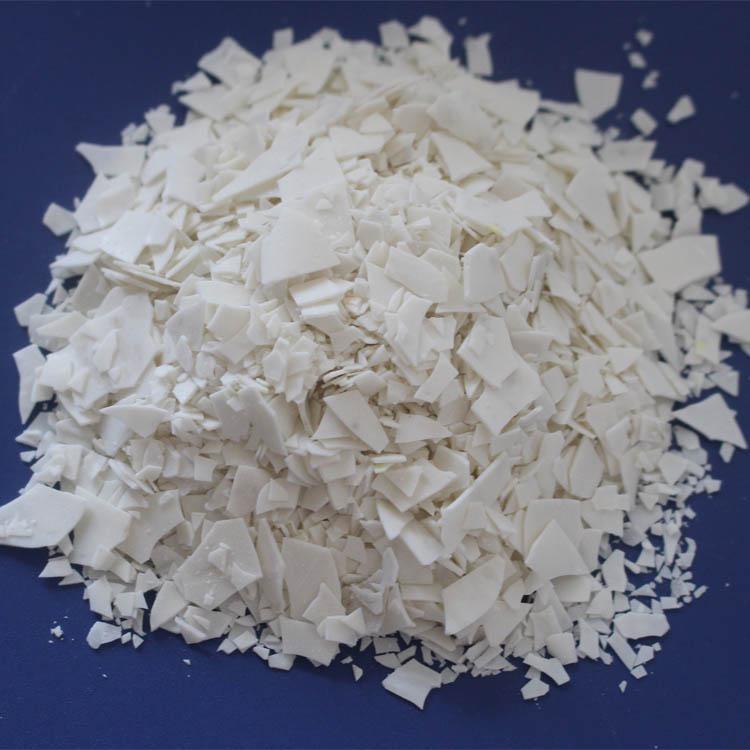
lead stabilizer in pvc
Price 1500.0 USD ($) / Ton
Minimum Order Quantity : 1 Ton
Application : Plastic
Chemical Name : Lead Salt Stabilizer
Form : Solid
Grade : Other, Technical Grade
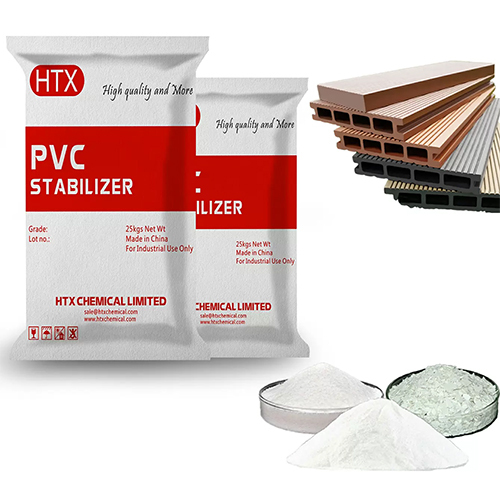
Ca Zn stabilizer
Price 1550 USD ($) / Ton
Minimum Order Quantity : 10 Tons
Application : Industrial
Chemical Name : Compound Lead Stabilizer
Form : Powder
Grade : Industrial Grade
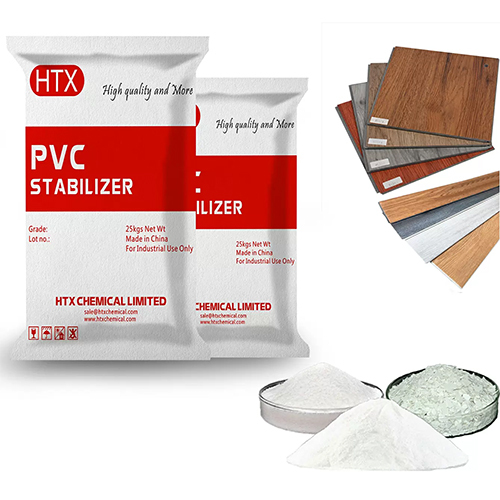
Lead Compound Stabilizer
Price 1550 USD ($) / Ton
Minimum Order Quantity : 10 Tons
Application : Industrial
Chemical Name : Compound Lead Stabilizer
Form : Powder
Grade : Industrial Grade
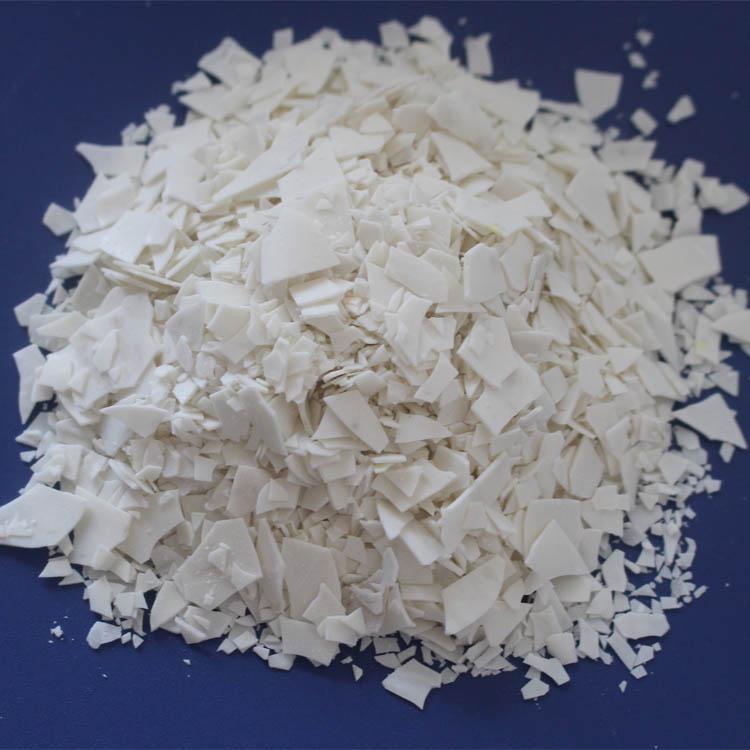
one pack stabilizer for pvc pipe
Price 1600.0 USD ($) / Ton
Minimum Order Quantity : 1 Ton
Application : Plastic
Chemical Name : PVC stabilizer
Form : Powder
Grade : Industrial Grade

Contact Us

- Yiyuan Economic Development Zone,Zibo - 256100, Shandong Sheng, China
- Email us : wong@htxchemical.com, sale@htxchemical.com

Shandong HTX Chemical Co., Ltd.

- Mr. Ben Wong (Director)
- Mobile : +8613360034539
- sale@htxchemical.com
 Send Inquiry
 Send Inquiry
Shandong HTX Chemical Co., Ltd.
All Rights Reserved.(Terms of Use)
Developed and Managed by Infocom Network Private Limited.
Developed and Managed by Infocom Network Private Limited.
