
lead stabilizer in pvc
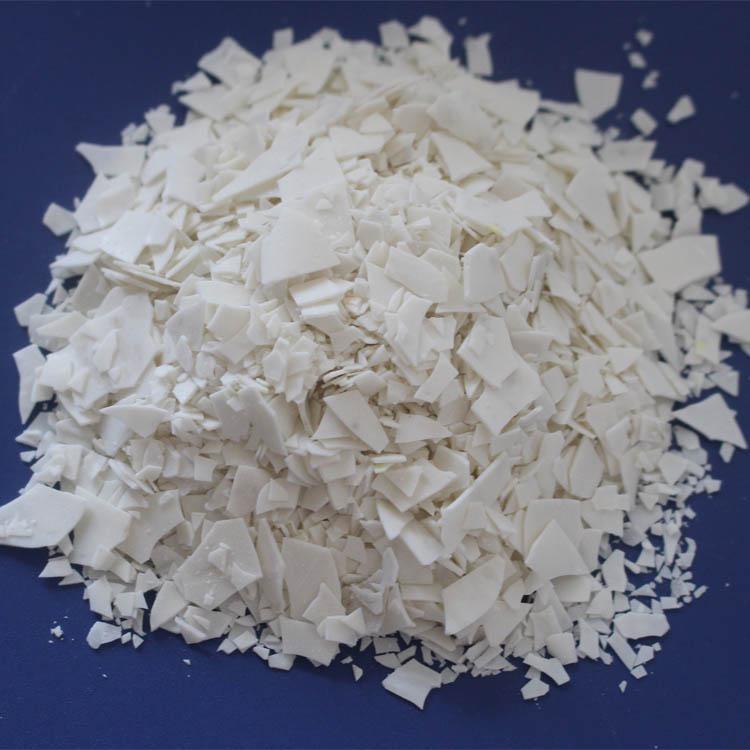
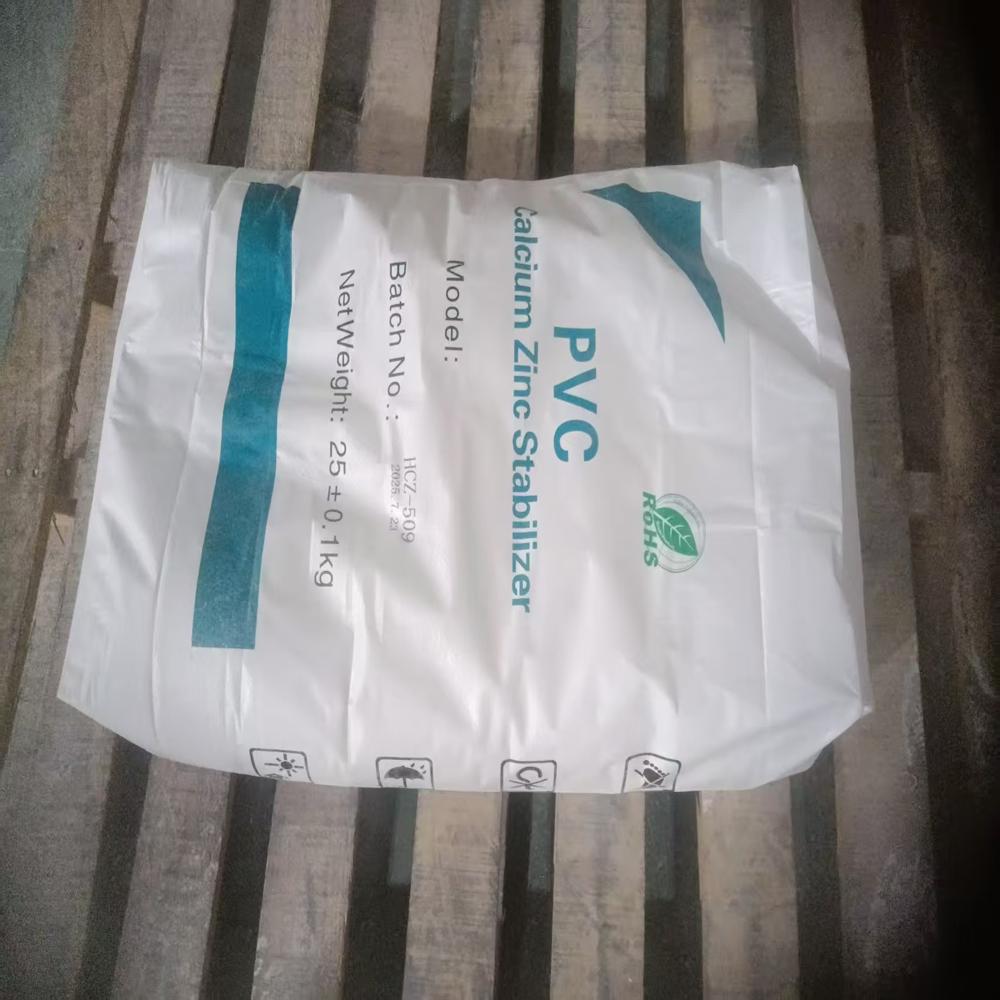

lead stabilizer in pvc Specification
- Purity
- 99%
- Solubility
- Flake
- Density
- 6.6 Gram per cubic centimeter(g/cm3)
- Refractive Rate
- N/A (not applicable for solids)
- Ph Level
- Neutral
- HS Code
- 381239900
- Storage
- Store in cool, dry, and well-ventilated area, tightly closed
- Taste
- Odorless
- Structural Formula
- Depends on specific compound
- Shape
- Powder/Granule
- Melting Point
- 110-135C
- Form
- Solid
- Poisonous
- Yes
- Smell
- Odorless
- Other Names
- Lead-based PVC Stabilizer
- Boiling point
- Decomposes before boiling
- Molecular Formula
- Varies (e.g., C36H70O4Pb2 for Lead Stearate)
- Molecular Weight
- Varies (e.g., 1178.2 g/mol for Lead Stearate)
- Classification
- Heat Stabilizer/Additive
- Chemical Name
- Lead Salt Stabilizer
- CAS No
- Various (e.g., 1072-35-1 for Dibasic Lead Stearate)
- EINECS No
- 215-267-0 (for Lead Stearate)
- Grade
- Technical Grade
- Standard
- Industry Standard
- Type
- Industrial Grade Lead Stabilizer
- Usage
- Additive for rigid and flexible PVC formulations
- Main Material
- Lead-based compounds (commonly tribasic lead sulfate, dibasic lead phthalate, lead stearate, etc.)
- Application
- Plastic
- Non Toxic
- Yes
- Color
- White to off-white
- Toxicological Information
- Classified as hazardous, avoid inhalation and skin contact
- Moisture Content
- 0.5%
- Compatibility
- Compatible with most common PVC additives and plasticizers
- Dosage
- 1.5-3.5 phr (parts per hundred resin), depending on application
- Heat Stability
- Excellent, provides long-term thermal protection for PVC
- Packing
- Packed in 25 kg HDPE bags or as per customer requirement
- Particle Size
- 40-80 mesh (typical)
- Shelf Life
- 12 months if stored properly
lead stabilizer in pvc Trade Information
- Minimum Order Quantity
- 1 Ton
- Delivery Time
- 7 Days
lead stabilizer in pvc About
Lead stabilizers were once a dominant type of stabilizer in the polyvinyl chloride (PVC) industry. Their core value lies in their ability to efficiently solve the critical defect of poor thermal stability in PVC materials through chemical reactions (such as absorbing hydrogen chloride released during the thermal decomposition of PVC and replacing unstable chlorine atoms on the molecular chain), allowing for high-temperature processing. These stabilizers are represented by tribasic lead sulfate (with the best thermal stability) and dibasic lead phosphite (which also has weather resistance). Due to their excellent long-term thermal stability, superior electrical insulation, and low cost, they are widely used in key areas where transparency is not a requirement, such as wires and cables, building drainage pipes, and window and door profiles.Excellent thermal stability: Its long-term thermal stability ranks among the best of all stabilizers, making it particularly suitable for high-temperature processing environments.
Superior electrical insulation: Enables PVC products to maintain excellent electrical properties, making it the preferred choice for wire and cable sheathing and insulation materials.
Good weather resistance: Provides products with excellent resistance to UV aging, suitable for profiles and pipes used outdoors for extended periods.
High cost-effectiveness: Relatively low cost per unit of stabilization efficiency, resulting in significant economic benefits in the long run.
Wide processing tolerance: Wide adaptability to PVC formulations, and relatively easy process control.
Exceptional Heat Stability for PVC Processing
Lead stabilizers provide superior long-term thermal protection during the processing and service life of PVC, preventing degradation even under elevated temperatures. This ensures that PVC products retain their mechanical and physical properties, resulting in improved durability for a variety of industrial and commercial applications. The stabilizer's compatibility with most common PVC additives and plasticizers guarantees consistent processing performance.
Versatile Applications in Rigid and Flexible Formulations
Suitable for both rigid and flexible PVC, this stabilizer finds widespread use across diverse industries, from pipes and profiles to cables, sheets, and films. The recommended dosage is 1.5-3.5 phr, depending on the specific formulation requirements, making it a practical choice for manufacturers, exporters, and distributors seeking reliable PVC thermal stabilization.
Safe Handling and Storage Recommendations
Given its lead-based composition, this stabilizer is classified as hazardous and should be managed carefully. Always use appropriate personal protective equipment to avoid inhalation and skin contact. Product must be stored in tightly closed containers, kept in cool, dry, and well-ventilated areas to ensure shelf life and preserve quality. Follow all local and national safety regulations when handling.
FAQ's of lead stabilizer in pvc:
Q: How should lead stabilizer for PVC be used in manufacturing?
A: Lead stabilizer should be added to the PVC resin in a dosage range of 1.5-3.5 parts per hundred resin (phr), based on application needs. It is compatible with most common PVC additives and plasticizers and can be incorporated during the compounding process for both rigid and flexible PVC formulations.Q: What are the main benefits of using this lead stabilizer in PVC?
A: The main benefits include excellent heat stability, protection against thermal degradation, and compatibility with various PVC additives. This ensures long-lasting durability and quality of the final PVC products in different industrial applications.Q: When is the best time to add lead stabilizer to the PVC formulation?
A: Lead stabilizer should be added during the initial mixing or compounding stage with PVC resin and other additives to ensure uniform dispersion and optimum thermal protection throughout processing.Q: What precautions should be taken when handling lead stabilizer for PVC?
A: As this stabilizer contains lead and is classified as hazardous, it is essential to avoid inhalation and skin contact. Use personal protective gear such as gloves, masks, and eye protection, and handle the product in well-ventilated areas. Always follow local safety guidelines and protocols.Q: Where should lead stabilizer for PVC be stored?
A: Store the product in its original 25 kg HDPE bag or tightly sealed container, in a cool, dry, and well-ventilated area. Proper storage prevents moisture absorption and extends shelf life up to 12 months.Q: What makes this product suitable for both rigid and flexible PVC applications?
A: Its chemical composition and compatibility with a range of common PVC additives allow the stabilizer to effectively deliver heat stability and process flexibility across rigid and flexible formulations.Tell us about your requirement

Price:
Quantity
Select Unit
- 50
- 100
- 200
- 250
- 500
- 1000+
Additional detail
Mobile number
Email

More Products in PVC Stabilizer Category
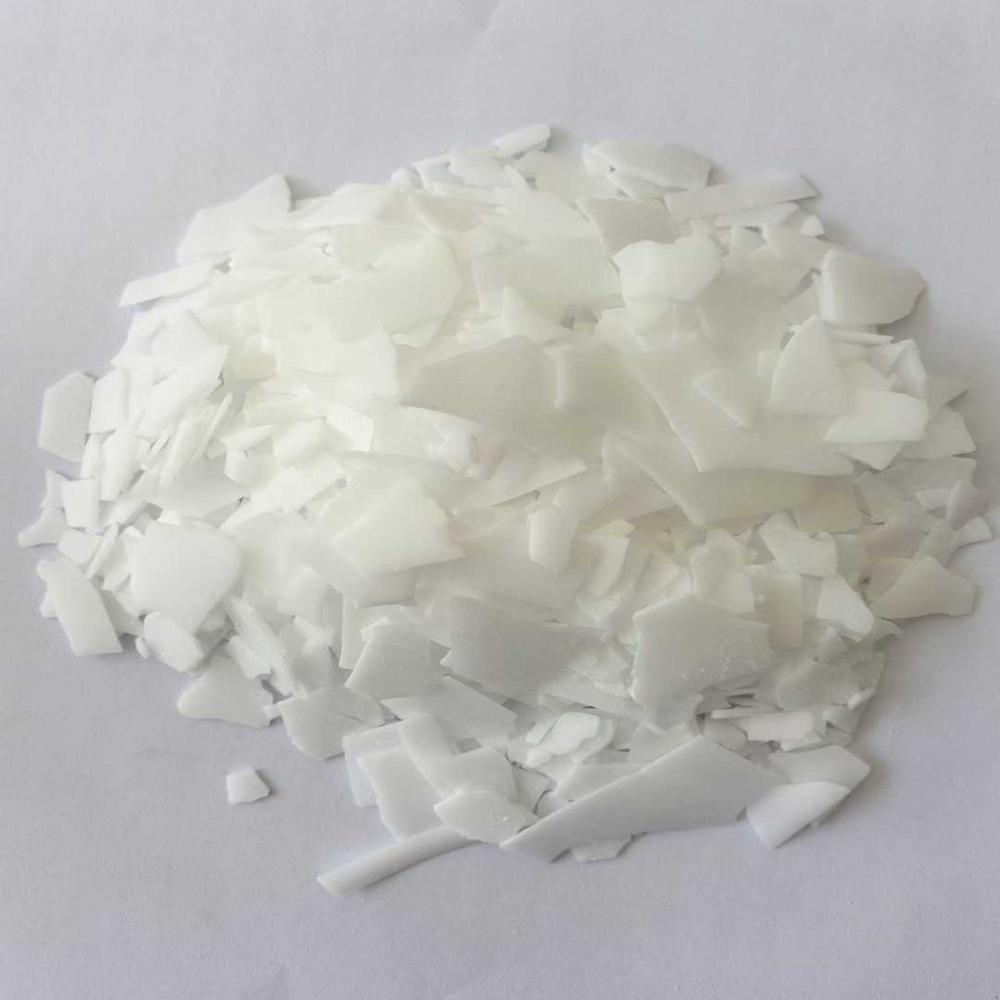
Lead stabilizer in PVC
Price 1500.0 USD ($) / Ton
Minimum Order Quantity : 1 Ton
Grade : Industrial Grade
Application : Plastic
Form : Other
Chemical Name : Leadbased PVC Stabilizer
Ca Zn stabilizer
Price 1550 USD ($) / Ton
Minimum Order Quantity : 10 Tons
Grade : Industrial Grade
Application : Industrial
Form : Powder
Chemical Name : Compound Lead Stabilizer
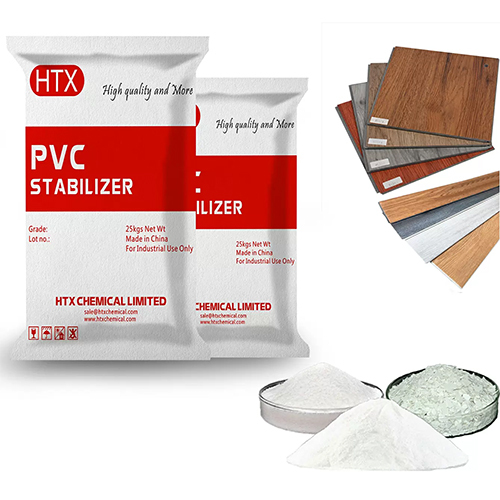
Lead Compound Stabilizer
Price 1550 USD ($) / Ton
Minimum Order Quantity : 10 Tons
Grade : Industrial Grade
Application : Industrial
Form : Powder
Chemical Name : Compound Lead Stabilizer
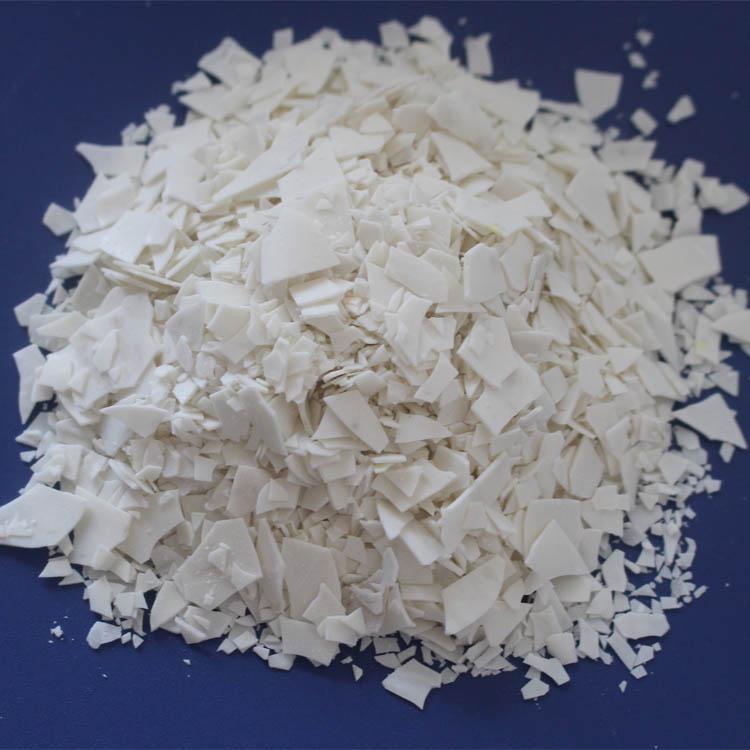
one pack stabilizer for pvc pipe
Price 1600.0 USD ($) / Ton
Minimum Order Quantity : 1 Ton
Grade : Industrial Grade
Application : Plastic
Form : Powder
Chemical Name : PVC stabilizer

Contact Us

- Yiyuan Economic Development Zone,Zibo - 256100, Shandong Sheng, China
- Email us : wong@htxchemical.com, sale@htxchemical.com

Shandong HTX Chemical Co., Ltd.

- Mr. Ben Wong (Director)
- Mobile : +8613360034539
- sale@htxchemical.com
 Send Inquiry
 Send Inquiry
Shandong HTX Chemical Co., Ltd.
All Rights Reserved.(Terms of Use)
Developed and Managed by Infocom Network Private Limited.
Developed and Managed by Infocom Network Private Limited.
