
Foam Board Processing Aid
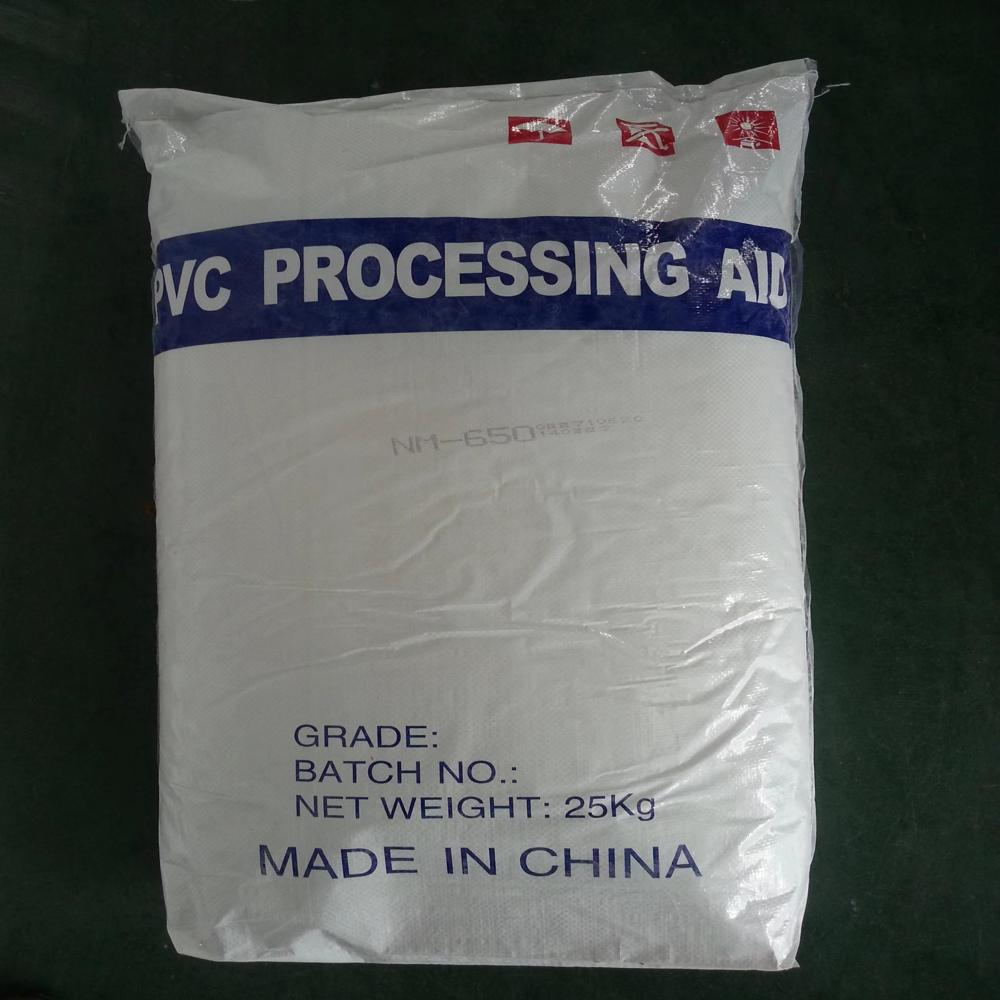

Foam Board Processing Aid Specification
- Shelf Life
- 2 Years
- Shape
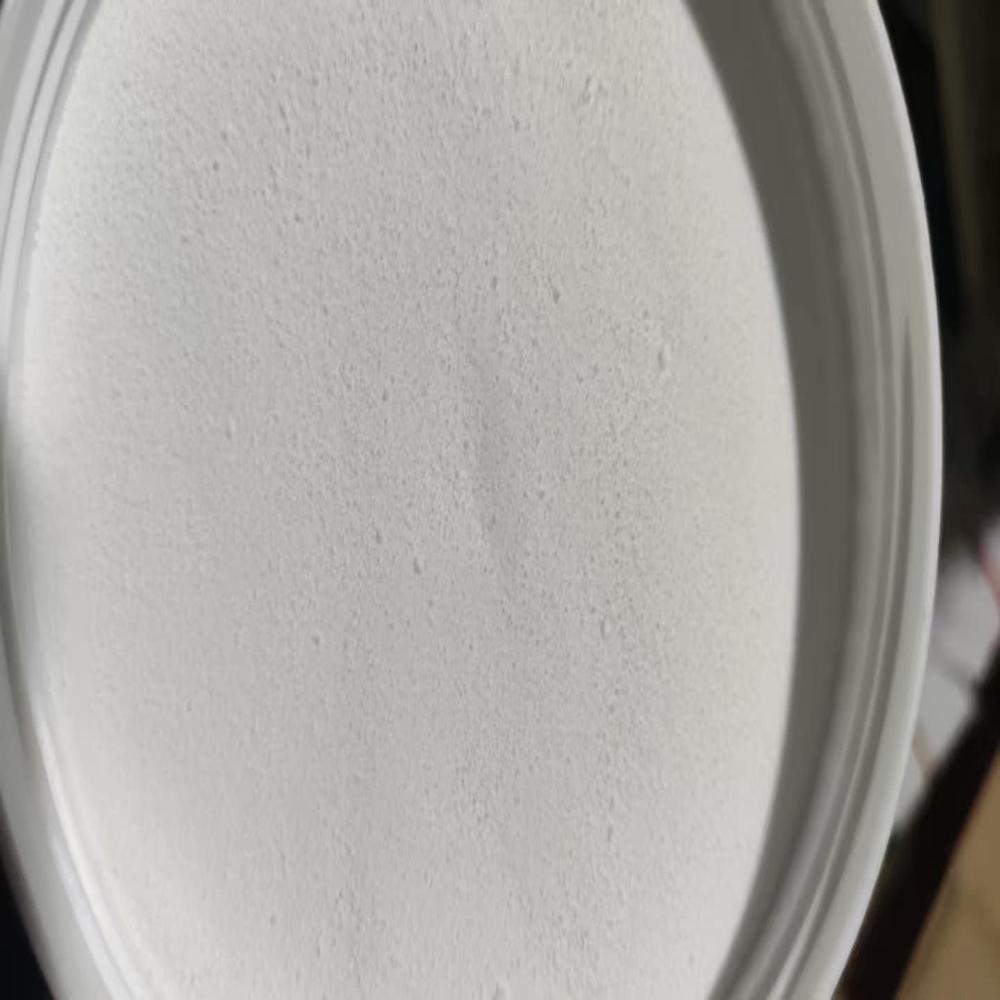
- Granules
- Smell
- Resinous
- Properties
- With a high molecular weight, it effectively promotes plasticization and improves melt strength and ductility. It is a "multi-functional" key additive in WPC-PVC formulations.
- Product Type
- Foaming regulator
- Application
- Plastic
- Storage
- Room Temperature
- Poisonous
- NO
- Physical Form
- Powder
- HS Code
- 3906909090
Foam Board Processing Aid About
Promotes plasticization and melting: Wood flour hinders the melting and fusion of PVC resin particles. Processing aids increase frictional heat, helping PVC to plasticize quickly and uniformly, forming a continuous, dense melt that encapsulates the wood flour.
Improves melt rheology: Significantly reduces the high melt viscosity caused by highly filled wood flour, improving melt strength and elasticity, making the material easier to extrude or calender, and reducing melt fracture.
Improves surface quality: Eliminates surface roughness, tearing, and sharkskin-like defects caused by wood flour, resulting in a smooth, dense, and wood-grain texture.
Increases output and reduces energy consumption: Improved flowability allows for increased extrusion speed with the same energy consumption, or reduced processing temperature and machine load with the same output.
Enhances wood flour dispersion: Helps wood flour disperse more uniformly in the PVC matrix, reducing agglomeration and improving the uniformity of product mechanical properties.
Maximized Plasticizing Efficiency
Leveraging its high molecular weight, the Foam Board Processing Aid ensures robust plasticization and elevated melt strength in plastic processing. By integrating seamlessly into WPC-PVC blends, it promotes uniform cell structure and improved material performance, delivering consistent quality in foam board manufacturing.
Multi-Functional Additive Versatility
Designed as a key component for WPC-PVC formulations, this processing aid functions as both a plasticizing and ductility enhancer. Its unique versatility streamlines production while ensuring compatibility with a wide range of plastic compounds, benefitting manufacturers seeking efficiency and product reliability.
FAQ's of Foam Board Processing Aid:
Q: How should the Foam Board Processing Aid be used in WPC-PVC formulations?
A: The aid is typically introduced during the plastic compounding or extrusion process by blending the powdered granules uniformly into the WPC-PVC mixture, ensuring optimal dispersion and performance benefits throughout the material.Q: What are the main benefits of using this processing aid in foam board production?
A: It enhances melt strength, promotes superior plasticization, and increases ductility, resulting in improved mechanical properties, smoother processing, and high-quality foam structure within the final product.Q: When should this additive be added during the manufacturing process?
A: The Foam Board Processing Aid should be added at the initial mixing stage with other raw materials before the extrusion or molding step, to ensure even distribution and effective integration.Q: Where should the product be stored to maintain its quality?
A: It should be kept in its original packaging at normal room temperature, in a dry environment, away from direct sunlight and moisture, to preserve its two-year shelf life and prevent contamination.Q: What physical characteristics does the Foam Board Processing Aid have?
A: It is available in a powder form with granule shape and possesses a distinctive resinous smell. It is non-toxic and easy to handle during plastic processing operations.Q: Is the Foam Board Processing Aid suitable for export, and what is its HS Code?
A: Yes, the product is suitable for export and distribution globally, with an HS Code of 3906909090, aligning with customs regulations for plastic additives.Tell us about your requirement

Price:
Quantity
Select Unit
- 50
- 100
- 200
- 250
- 500
- 1000+
Additional detail
Mobile number
Email

More Products in PVC Processing Aid Category
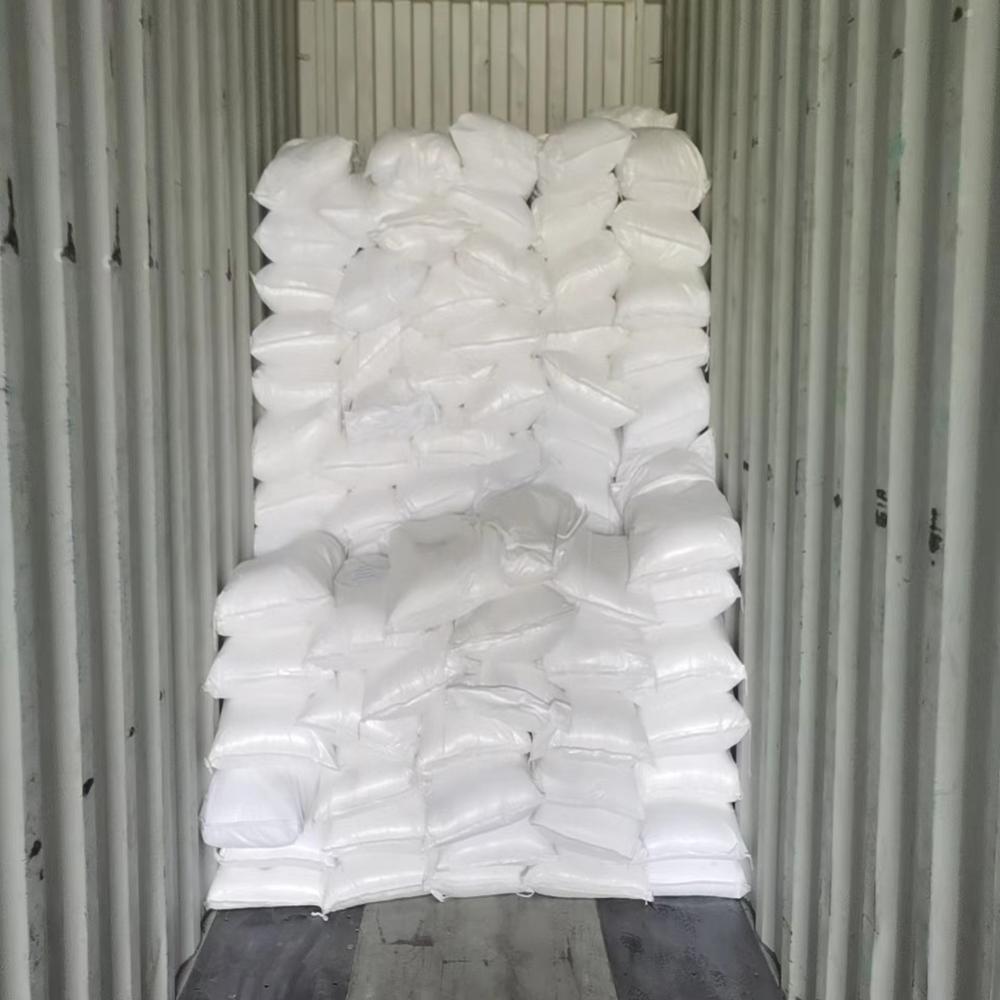
High density OPE wax for foam board
Price 2000.0 USD ($) / Ton
Minimum Order Quantity : 1 Ton
Purity : 100%
Poisonous : NO
Storage : Room Temperature
Application : Industrial
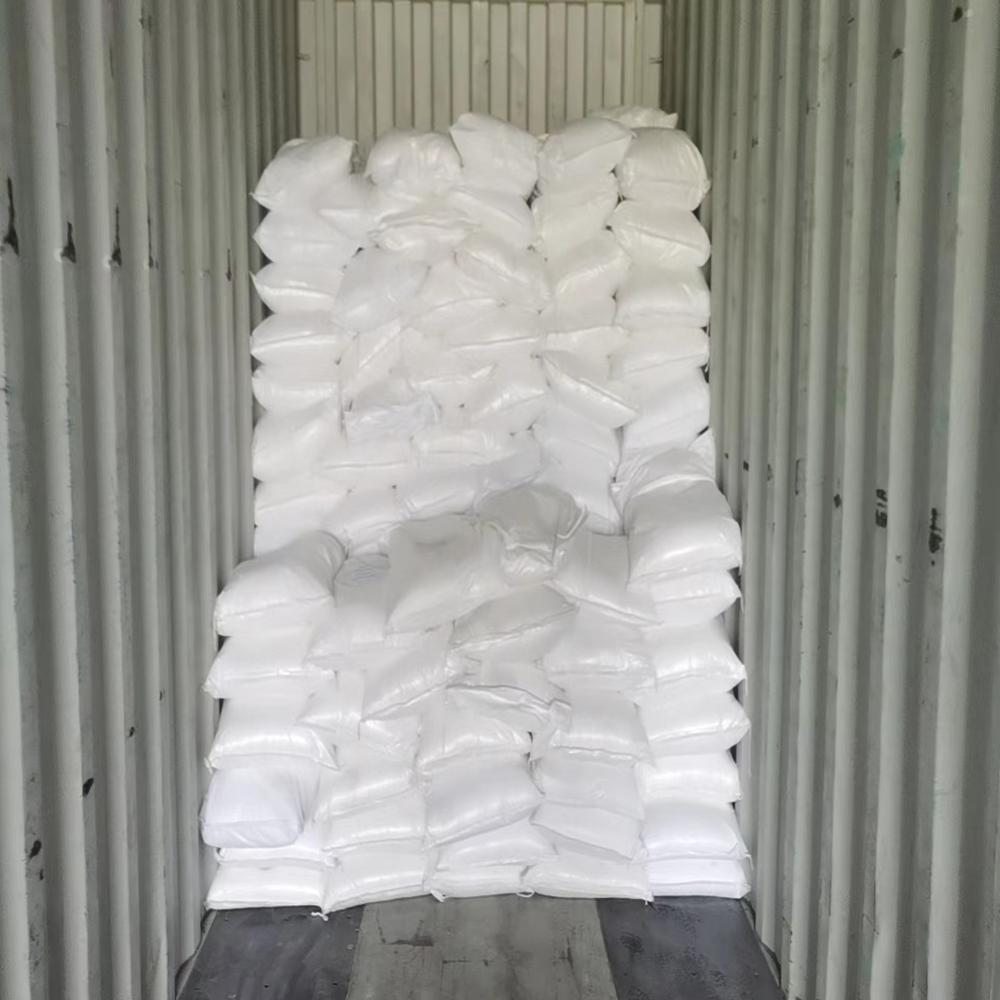
PVC processing aid for PVC blinds
Price 1850.0 USD ($) / Ton
Minimum Order Quantity : 1 Ton
Purity : 100%
Poisonous : NO
Storage : Room Temperature
Application : Industrial
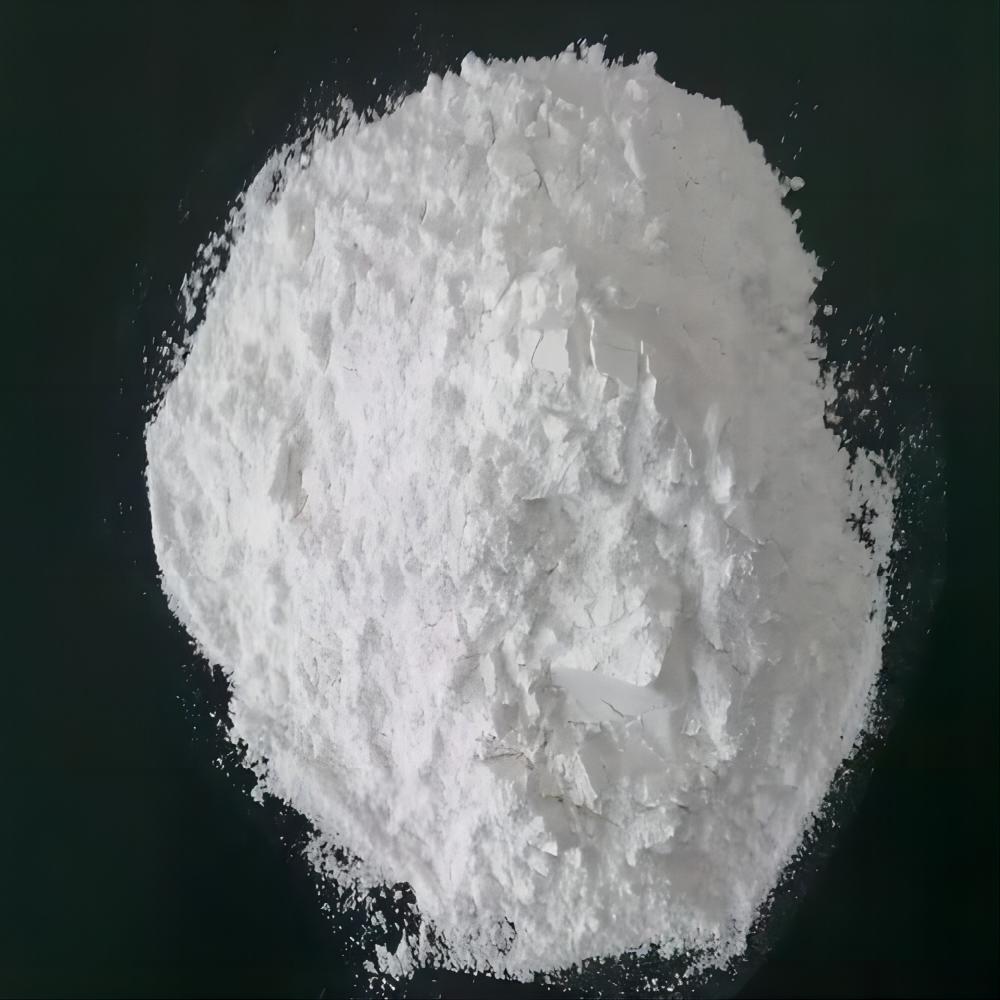
Low density OPE wax for CPVC compounds
Price 2700.0 USD ($) / Ton
Minimum Order Quantity : 1 Ton
Purity : 100%
Poisonous : NO
Storage : Room Temperature
Application : Industrial
PVC processing aid for water pipe
Price 1800.0 USD ($) / Ton
Minimum Order Quantity : 1 Ton
Purity : 100%
Poisonous : NO
Storage : Room Temperature
Application : Industrial

Contact Us

- Yiyuan Economic Development Zone,Zibo - 256100, Shandong Sheng, China
- Email us : wong@htxchemical.com, sale@htxchemical.com

Shandong HTX Chemical Co., Ltd.

- Mr. Ben Wong (Director)
- Mobile : +8613360034539
- sale@htxchemical.com
 Send Inquiry
 Send Inquiry
Shandong HTX Chemical Co., Ltd.
All Rights Reserved.(Terms of Use)
Developed and Managed by Infocom Network Private Limited.
Developed and Managed by Infocom Network Private Limited.
