
PVC pipe processing aid

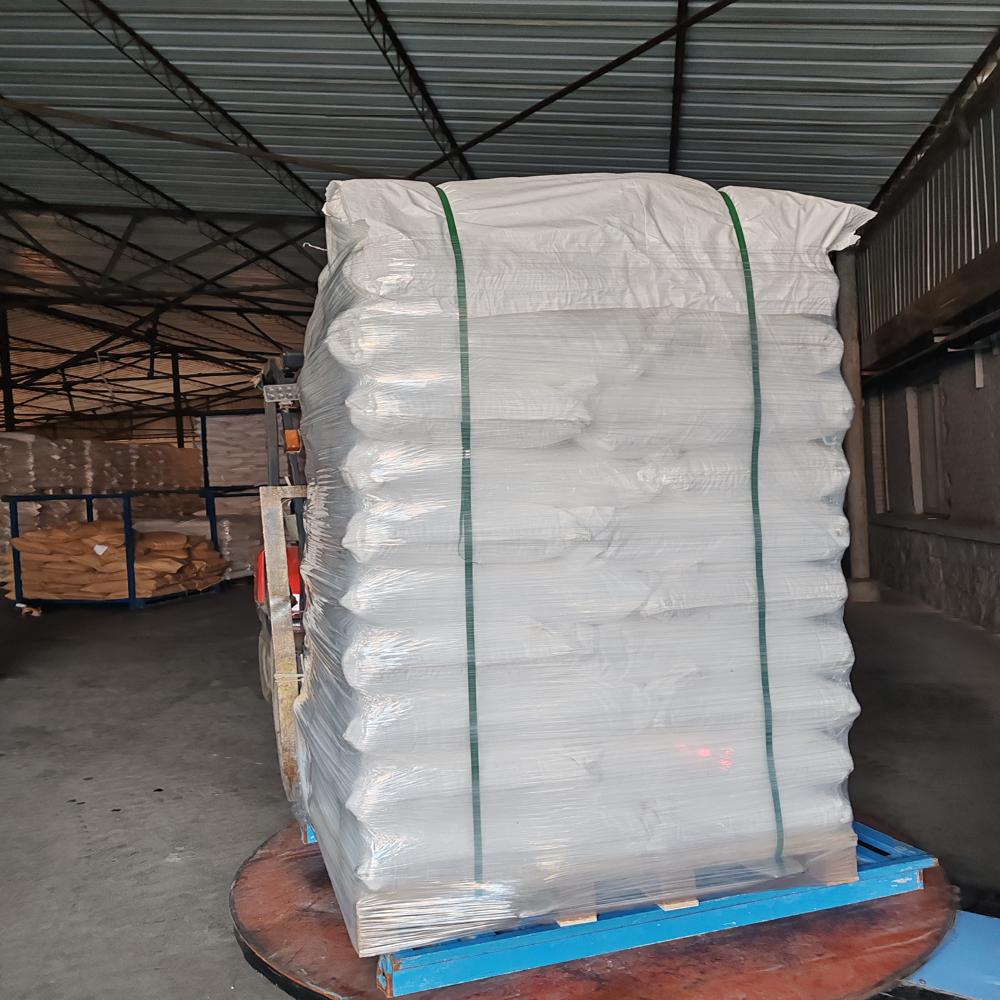

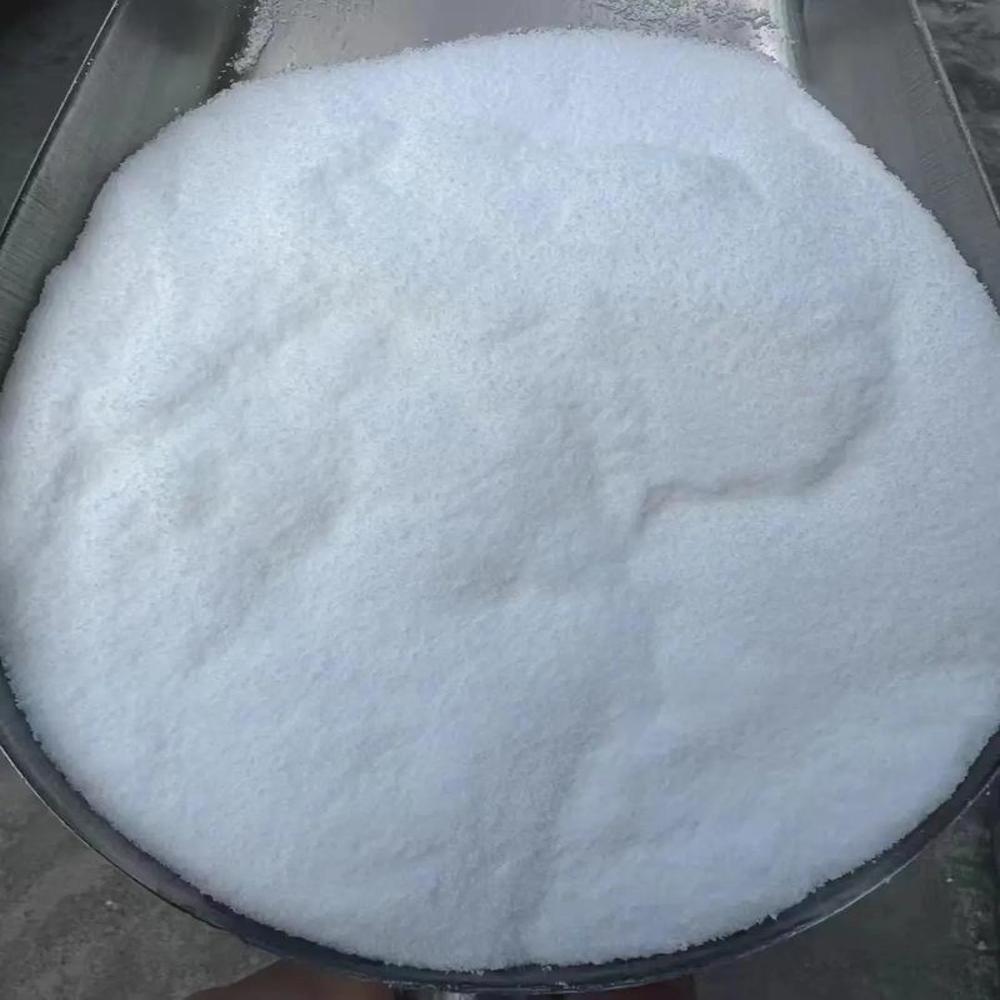
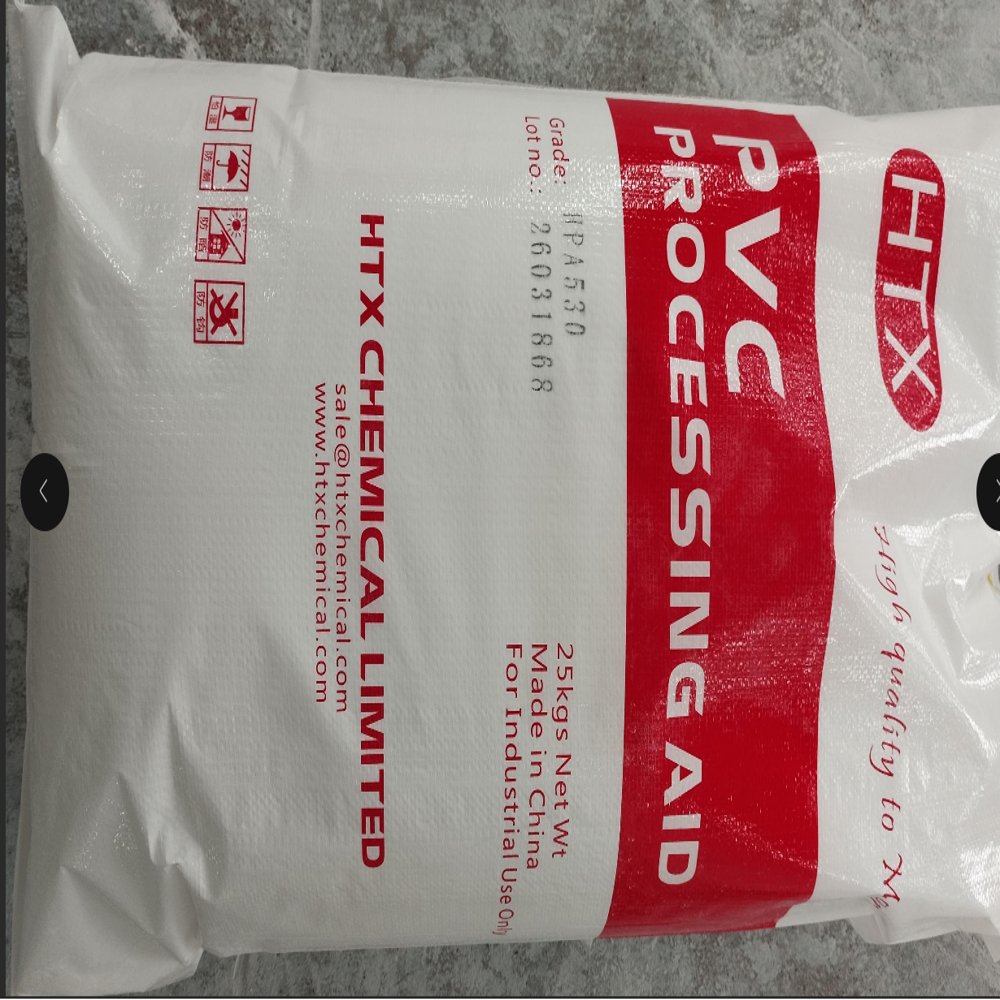
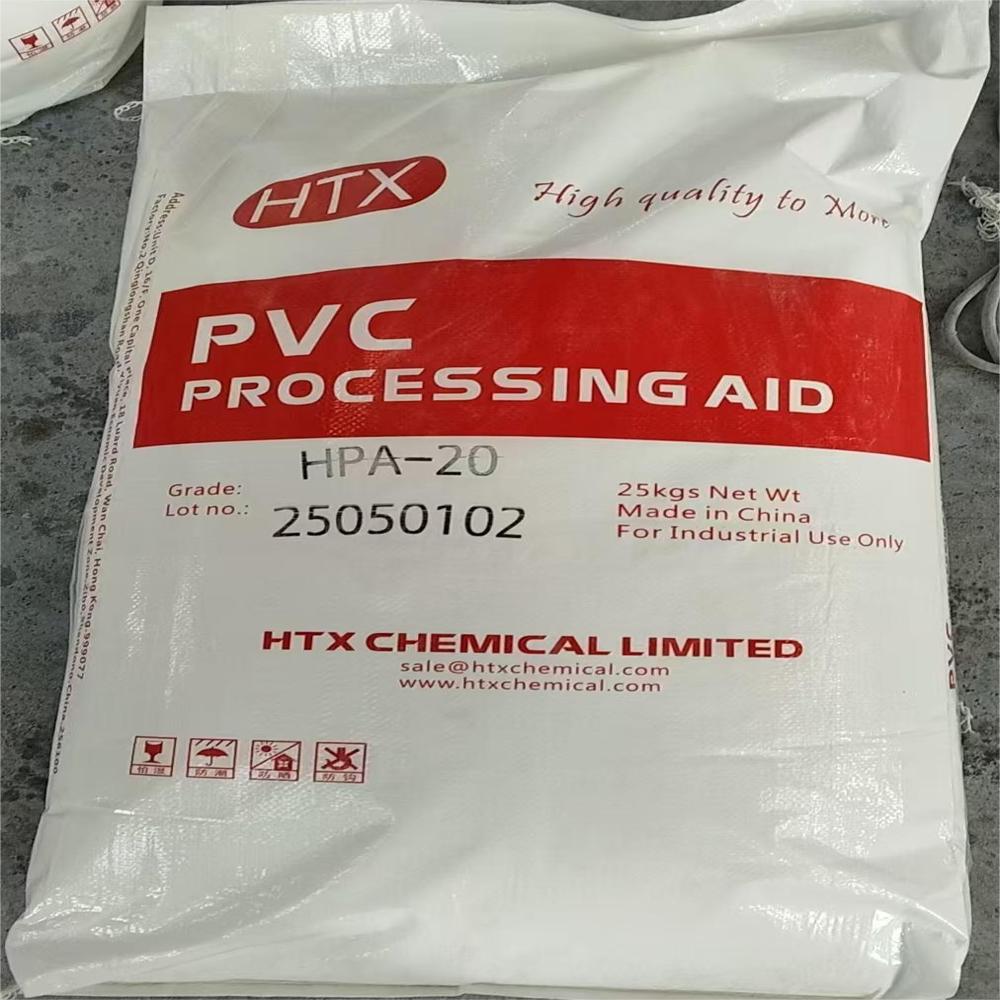
PVC pipe processing aid Specification
- Storage
- Room Temperature
- Properties
- Promotes plasticization Increases melt strength Eliminates sharkskin and melt fracture Improves filler dispersion Facilitates demolding
- Shape
- Granules
- Shelf Life
- 2 Years
- HS Code
- 3906909090
- Physical Form
- Powder
PVC pipe processing aid About
Core Functions (for PVC Pipes):
Promoting Plasticization: Plasticization is the process by which PVC resin particles melt and homogenize under heat and shear. Processing aids significantly accelerate plasticization, lower processing temperatures, and make the material more uniform, thereby improving the mechanical strength and dimensional stability of the pipe.
Increasing Melt Strength: PVC melt has low viscosity and is prone to cracking. Processing aids increase the viscoelasticity and strength of the melt, preventing sagging, tearing, or surface roughness during extrusion (especially upon exiting the die), ensuring stable pipe shape and smooth inner and outer walls.
Eliminating Shark Skin and Melt Fracture: At high extrusion speeds, rough and irregular defects easily appear on the pipe surface. Processing aids effectively improve this situation, allowing for higher production speeds.
Improving Filler Dispersion: Helps fillers such as calcium carbonate disperse more evenly in the PVC matrix, improving the consistency of pipe performance.
Easy Demolding: Some processing aids have a certain external lubricating effect, facilitating smooth demolding of the pipe.
Main Types (Chemical Composition): PVC processing aids used for pipes are mainly high molecular weight acrylate copolymers, commonly including:
PMMA series: Polymethyl methacrylate (PMMA) copolymers, the most common, with good overall performance.
ACR series: Acrylate copolymers, the mainstream processing aids, which promote plasticization and improve melt strength.
AMS series: Oligomers of -methylstyrene, lower in price, but with slightly inferior performance to ACR.
For PVC pipes, ACR-type processing aids are the most common choice due to their superior performance.
Boost Manufacturing Efficiency with Specialized Processing Aid
This advanced processing aid is engineered for PVC pipe manufacturers who demand optimal processing and product quality. Its multifunctional properties not only enhance plasticization and melt strength but also ensure consistent, defect-free finishes with improved filler dispersion. Whether you are looking to increase your throughput or reduce surface imperfections, this aid supports efficient, trouble-free production.
Reliable Solution for Diverse Applications
From facilitating demolding to eliminating melt fracture, this additive makes PVC pipe production more seamless. Suitable for exporters, traders, and manufacturers alike, it is packaged and shipped across India with attention to product integrity. The powder granular form ensures easy handling and blending into existing formulations, maximizing both productivity and performance.
FAQ's of PVC pipe processing aid:
Q: How does the PVC pipe processing aid improve the manufacturing process?
A: The processing aid works by enhancing melt strength, promoting plasticization, and improving filler dispersion, which results in smoother surfaces and eliminates defects like sharkskin or melt fracture. It also makes demolding easier, increasing production efficiency.Q: What is the recommended usage process for this PVC pipe processing aid?
A: To use it effectively, blend the granulated powder directly with your PVC resin during the mixing stage at room temperature. Adjust dosage based on the specific requirements of your manufacturing process for optimal results.Q: When should I use this processing aid in PVC pipe production?
A: Incorporate the aid during the initial blending or compounding phase of PVC pipe production. Early addition ensures uniform dispersion and maximizes its benefits throughout the extrusion process.Q: Where can I store this PVC pipe processing aid?
A: Store the product in a cool, dry place at room temperature to maintain its shelf life of two years. Avoid exposure to moisture or direct sunlight for best preservation.Q: What are the primary benefits of using this PVC pipe processing aid?
A: Key advantages include improved plasticization, enhanced melt strength, smoother finishes, better filler dispersion, and easier demolding. These benefits collectively lead to higher-quality PVC pipes and more efficient manufacturing.Q: Who distributes and supplies this processing aid in India?
A: We are a leading distributor, exporter, manufacturer, supplier, and trader of this product in India, ensuring nationwide availability and support for all industry needs.Tell us about your requirement

Price:
Quantity
Select Unit
- 50
- 100
- 200
- 250
- 500
- 1000+
Additional detail
Mobile number
Email

More Products in PVC Processing Aid Category
Oxidized polyethylene OPE wax
Price 2200.0 USD ($) / Ton
Minimum Order Quantity : 1 Ton
Product Type : General chemical
Storage : Room Temperature
Application : Industrial
Physical Form : Powder
High density OPE wax for WPC
Price 2300.0 USD ($) / Ton
Minimum Order Quantity : 1 Ton
Product Type : General chemical
Storage : Room Temperature
Application : Industrial
Physical Form : Powder
Foaming regulator for PVC foam board
Price 1650.0 USD ($) / Ton
Minimum Order Quantity : 1 Ton
Product Type : General chemical
Storage : Room Temperature
Application : Industrial
Physical Form : Powder

PVC processing aid for water pipe
Price 1800.0 USD ($) / Ton
Minimum Order Quantity : 1 Ton
Product Type : Gerneral chemical
Storage : Room Temperature
Application : Industrial
Physical Form : Powder

Contact Us

- Yiyuan Economic Development Zone,Zibo - 256100, Shandong Sheng, China
- Email us : wong@htxchemical.com, sale@htxchemical.com

Shandong HTX Chemical Co., Ltd.

- Mr. Ben Wong (Director)
- Mobile : +8613360034539
- sale@htxchemical.com
 Send Inquiry
 Send Inquiry
Shandong HTX Chemical Co., Ltd.
All Rights Reserved.(Terms of Use)
Developed and Managed by Infocom Network Private Limited.
Developed and Managed by Infocom Network Private Limited.
