
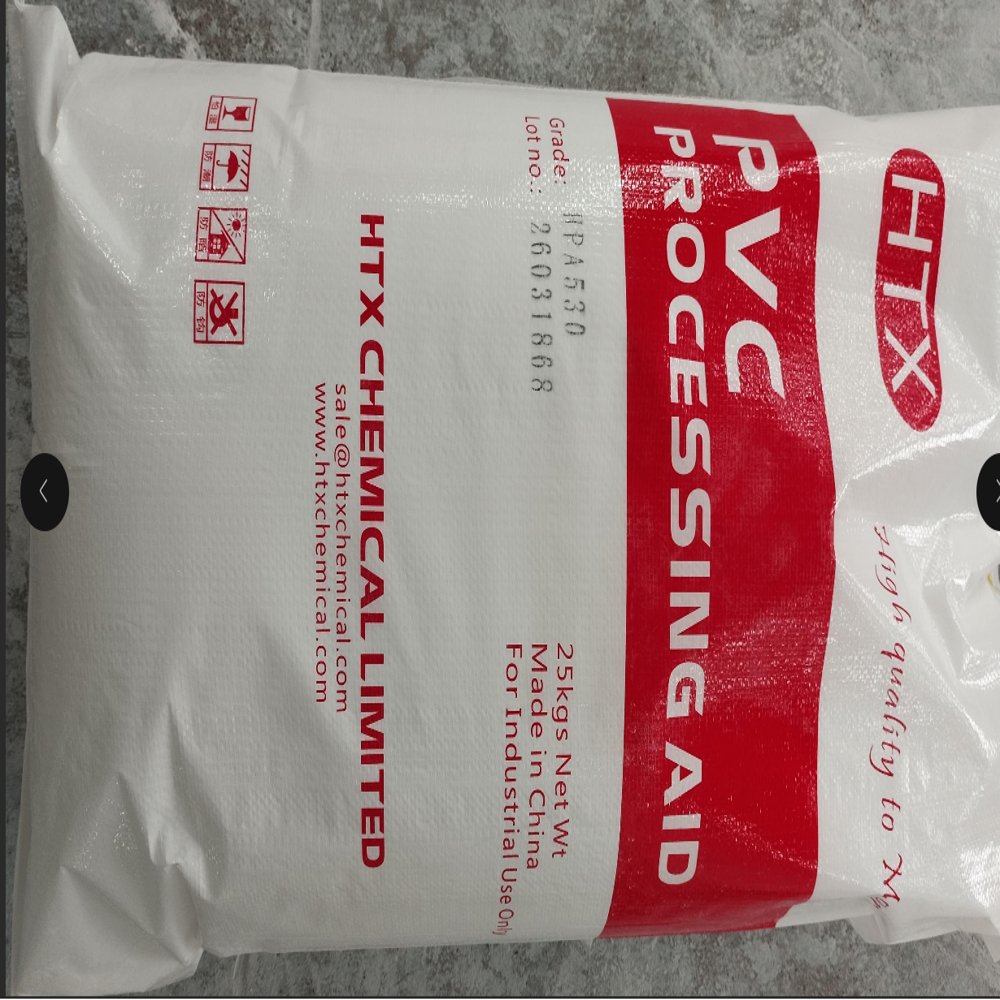
PVC processing aid for foaming board
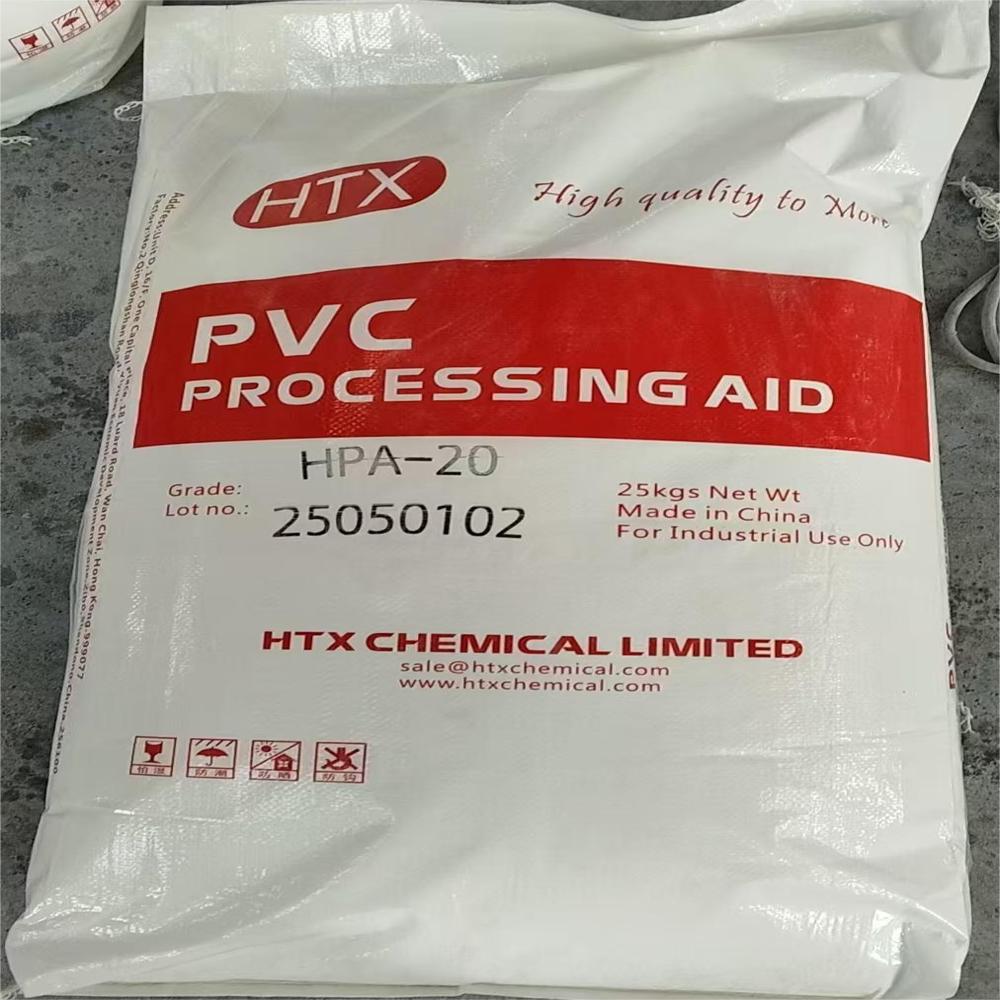

PVC processing aid for foaming board Specification
- HS Code
- 390690
- Properties
- Foam regulator is a key functional additive in the production of PVC foam products (such as foam boards, foam profiles, decorative boards, etc.), mostly high molecular weight acrylic ester (ACR) modified products. Its core function is to enhance the strength and viscosity of PVC melt, stabilize the cell structure during foaming, avoid bubble rupture, merging, collapse or perforation, and thus form a fine and uniform closed cell structure in the product. The use of appropriate foaming modifiers can significantly improve the surface smoothness of PVC foam products, reduce product density, and reduce weight, while enhancing dimensional stability and mechanical properties. It effectively solves common production problems such as surface roughness, collapse, uneven density, and coarse foam pores, and is one of the core additives to ensure the quality and production yield of PVC foam products.
- Application
- Industrial
- Smell
- Other
- Purity
- 100 %
- Poisonous
- NO
- Shape
- other
- Shelf Life
- 2 Years
- Physical Form
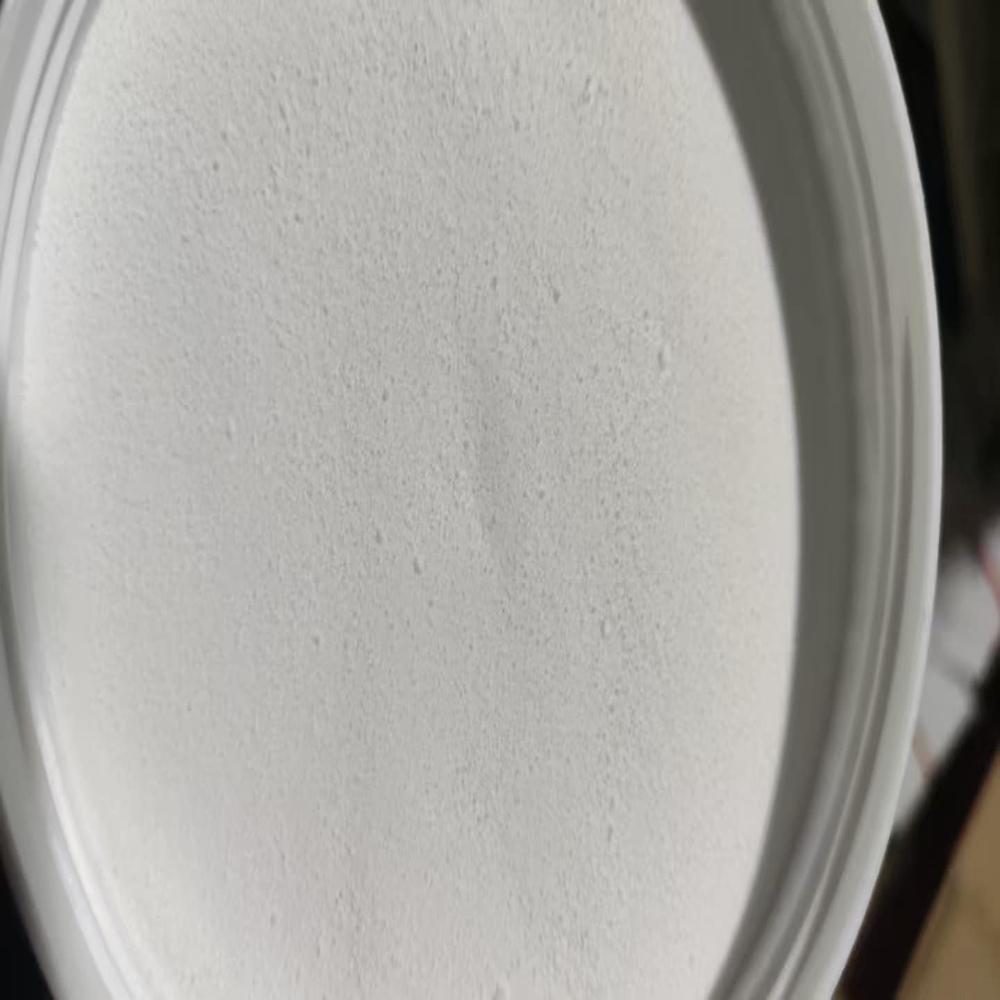
- Powder
- Appearance
- white powder
- Grade
- HPA 901
- Taste
- Other
- Usage
- 8.0~10.0
- Storage
- Room Temperature
- Product Type
- General chemical
PVC processing aid for foaming board Trade Information
- Minimum Order Quantity
- 1 Kilograms
- Delivery Time
- 7 Days
PVC processing aid for foaming board About
Why does the wrong selection of the "soul" foaming agent for PVC foam board cause the board surface to become rough, the size to become unstable, and even scrapped?
In the production system of PVC foam board, foam regulator is not an optional additive, but the core soul that determines the final quality, performance, and production yield of the board. The common pain points in the industry, such as rough and dull surface, local collapse pits, uneven and thick foam holes, size instability caused by uneven thickness, and even mechanical property collapse due to excessive foaming, are fundamentally due to improper selection and matching of foaming modifiers.
The essential function of foaming regulator is to significantly improve the strength and viscosity of PVC melt during high-temperature extrusion process through its specific molecular weight and polarity. It is like a precise 'gas locking engineer', able to firmly lock the gas inside the melt at the moment when the foaming agent decomposes and produces a large amount of gas, preventing premature rupture, merging or escape of bubbles, thereby guiding the uniform and fine growth of bubbles. A high-quality foaming regulator can endow the foam board with a lightweight density, excellent thermal and sound insulation performance, and a smooth and polished surface texture.
On the other hand, those poorly performing boards are often due to the use of low-end modifiers with low molecular weight, insufficient melt strength, or poor compatibility with the system resin. This type of product cannot provide sufficient support, and during the foaming process, the melt is prone to "collapse", resulting in thin cell walls and rupture, ultimately manifested as rough surface, fluctuating density, or edge warping. In addition, the thermal stability of the regulator is also crucial. If the heat resistance is insufficient, it will decompose and fail prematurely during high-speed extrusion, leading to uncontrolled foaming.
Therefore, in order to produce high-quality PVC foam boards, do not compromise on foam modifiers. Specialized modifiers with high melt strength, excellent thermal stability, and good compatibility with PVC should be selected accurately based on the density requirements, extrusion speed, and surface finish requirements of the board. This is not only a good solution to surface defects, but also a key shortcut to achieving cost reduction, efficiency improvement, and enhancing product market competitiveness.
Tell us about your requirement

Price:
Quantity
Select Unit
- 50
- 100
- 200
- 250
- 500
- 1000+
Additional detail
Mobile number
Email

More Products in PVC Processing Aid Category
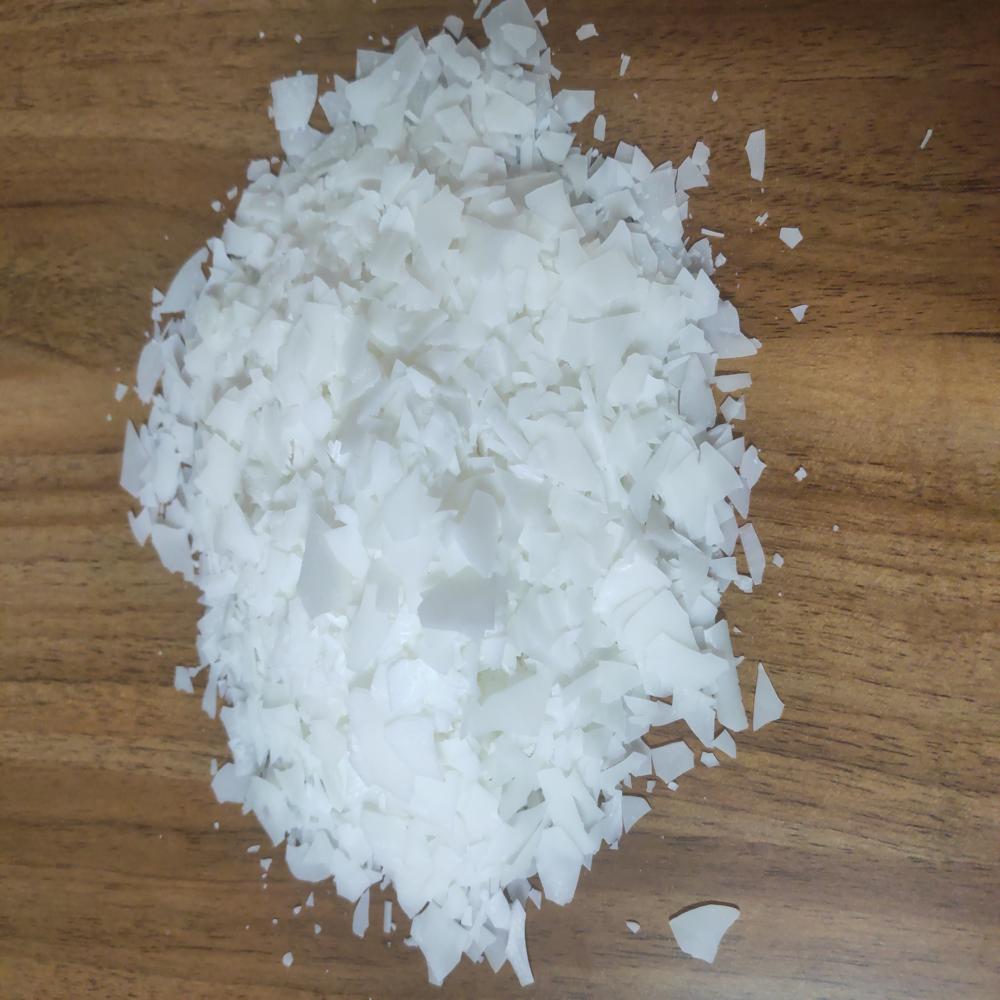
PVC internal lubricant
Price 140000.0 INR / Ton
Minimum Order Quantity : 1 Ton
Smell : Other, Mild
HS Code : 38122000
Properties : Excellent compatibility with PVC, reduces melt viscosity, and improves processing
Usage : Added during the mixing process to PVC compounds
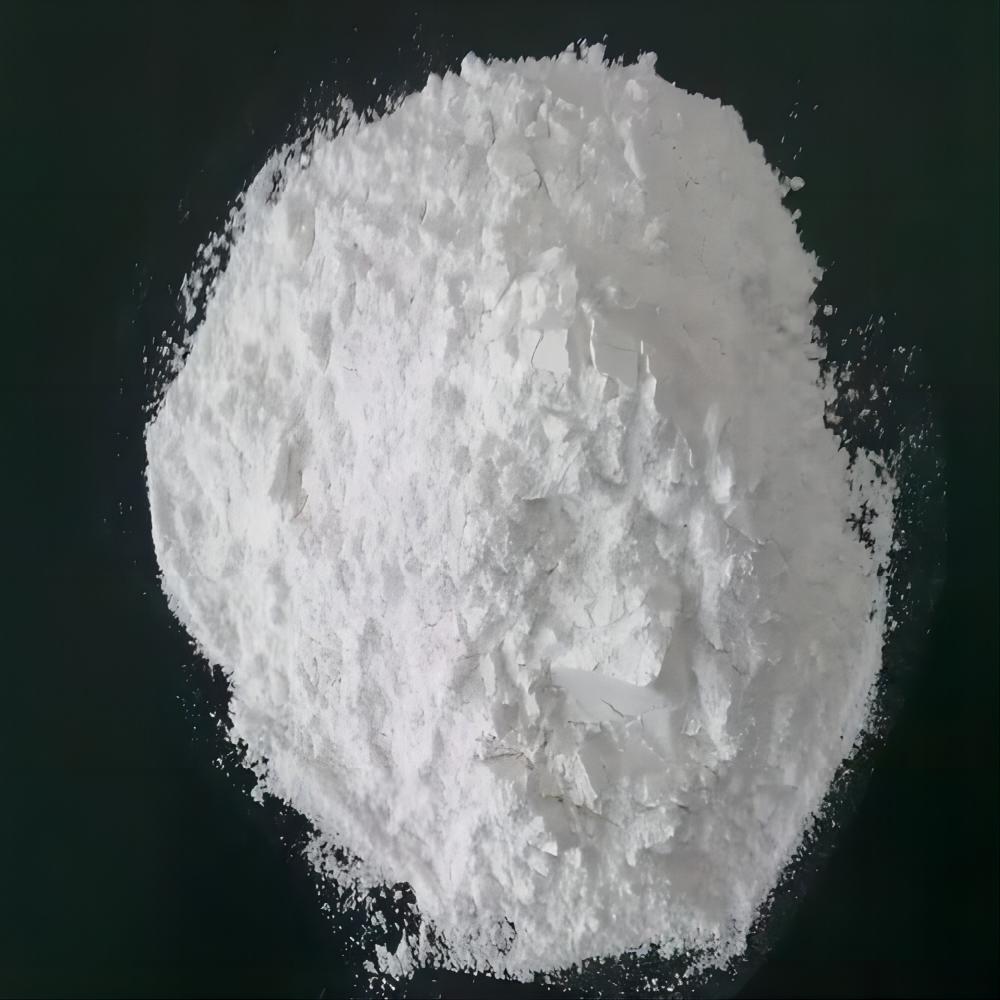
Low density OPE wax for CPVC compounds
Price 2700.0 USD ($) / Ton
Minimum Order Quantity : 1 Ton
Smell : Other
HS Code : 390490
Properties : Compared with traditional lubricants, lowdensity oxidized wax provides more stable and professional lubrication for CPVC production. It optimizes processing efficiency while fully guaranteeing the comprehensive performance of finished products.
Usage : 1.0~1.2
High density OPE wax for WPC
Price 2300.0 USD ($) / Ton
Minimum Order Quantity : 1 Ton
Smell : Other
HS Code : 340490
Properties : The product boasts excellent thermal stability and resistance to migration, making it perfectly suited for hightemperature, highpressure WPC molding conditions. During continuous, longterm production, it resists volatilization, migration, and powdering, avoiding common issues like mold carbon buildup, surface contamination, and postproduction whitening or powder exudation. It significantly improves the surface smoothness and gloss of WPC products while extending equipment cleaning intervals and reducing maintenance downtime, ensuring continuous and stable production line operation.
Usage : 0.3~0.8 phr
WPC processing aid
Price 2500.0 USD ($) / Ton
Minimum Order Quantity : 1 Ton
Smell : Other
HS Code : 390690
Properties : WPC foaming regulator is the "skeleton additive" for wood plastic foaming: without it, high filling WPC is difficult to stabilize foaming; Make good use of it to improve quality, cost, and efficiency
Usage : 4~8 phr

Contact Us

- Yiyuan Economic Development Zone,Zibo - 256100, Shandong Sheng, China
- Email us : wong@htxchemical.com, sale@htxchemical.com

Shandong HTX Chemical Co., Ltd.

- Mr. Ben Wong (Director)
- Mobile : +8613360034539
- sale@htxchemical.com
 Send Inquiry
 Send Inquiry
 Call Me Free
Shandong HTX Chemical Co., Ltd.
All Rights Reserved.(Terms of Use)
Developed and Managed by Infocom Network Private Limited.
Developed and Managed by Infocom Network Private Limited.
 English
 Spanish
 French
 German
 Italian
 Chinese (Simplified)
 Japanese
 Korean
 Arabic
 Portuguese