
High density OPE wax for WPC
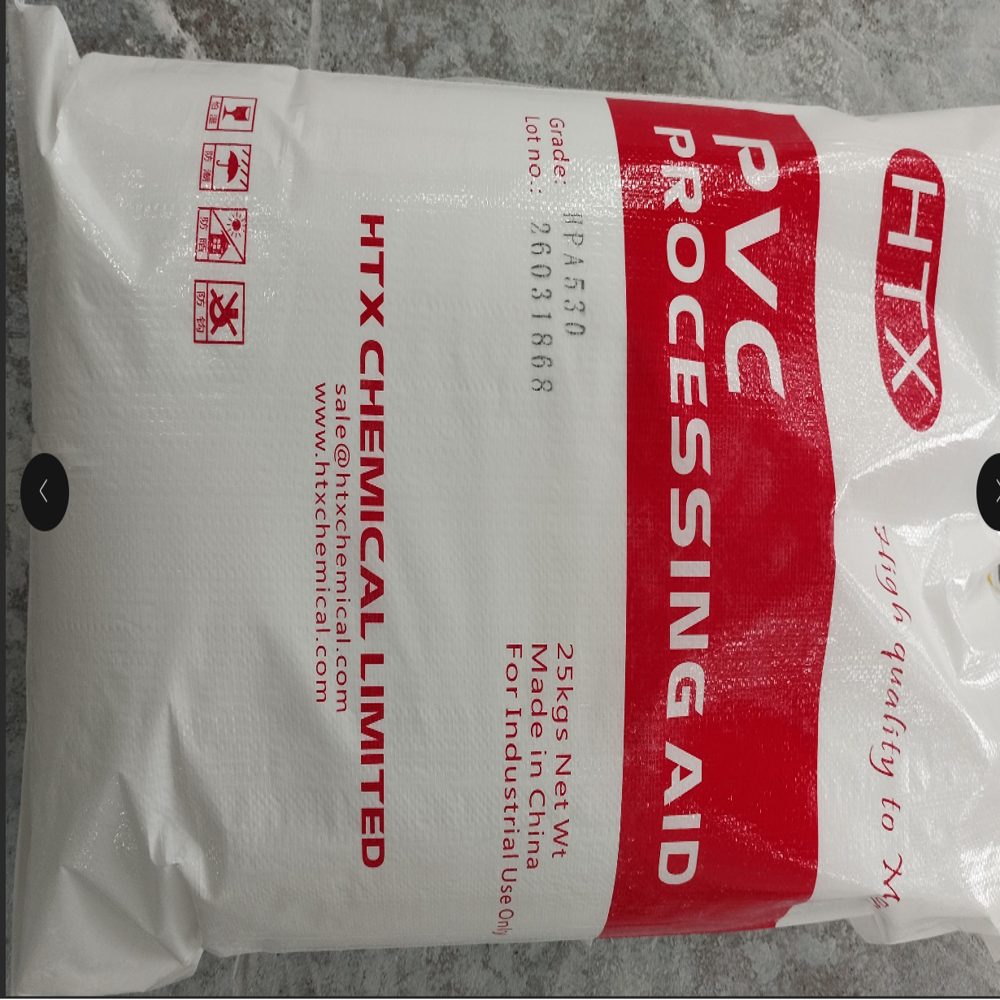


High density OPE wax for WPC Specification
- HS Code
- 340490
- Shelf Life
- 2 Years
- Storage
- Room Temperature
- Shape
- other
- Application
- Industrial
- Physical Form
- Powder
- Smell
- Other
- Appearance
- White powder
- Usage
- 0.3~0.8 phr
- CAS No
- 68441-17-8
- Poisonous
- NO
- Properties
- The product boasts excellent thermal stability and resistance to migration, making it perfectly suited for high-temperature, high-pressure WPC molding conditions. During continuous, long-term production, it resists volatilization, migration, and powdering, avoiding common issues like mold carbon buildup, surface contamination, and post-production whitening or powder exudation. It significantly improves the surface smoothness and gloss of WPC products while extending equipment cleaning intervals and reducing maintenance downtime, ensuring continuous and stable production line operation.
- Product Type
- General chemical
- Grade
- OX 123
- Melting Point
- 142
- Taste
- Other
About High density OPE wax for WPC
High-Density Oxidized Wax: A Specialized Solution for Plasticization, Lubrication, and Anti-Migration in WPC (Wood-Plastic Composite)
During the mass production of WPC flooring, profiles, and foamed boards, the high loading of wood flour fibers and high system friction often lead to issues such as uneven plasticization, poor melt flow, and inadequate filler dispersion. These problems frequently result in high extrusion torque, unstable output, surface blistering, rough texture, and subsequent powder migration (blooming), severely impacting production efficiency and the aesthetic quality of the finished product. High-density oxidized wax serves as a highly targeted processing aid designed specifically for these high-filler, high-friction WPC systems, effectively resolving various process-related pain points.
Characterized by a high melting point, high crystallinity, and strong polarity, high-density oxidized wax is ideally suited for high-filler WPC formulations. Compared to standard wax additives, it offers superior plasticization-promoting effects; it enhances interfacial compatibility between wood flour and PVC resin, balances internal and external lubrication, and rapidly reduces melt friction and extrusion pressure. This results in more uniform plasticization and stable extrusion output, effectively addressing issues such as low capacity, high energy consumption, and production interruptions, thereby meeting the demands of high-speed WPC mass production.
The product boasts excellent thermal stability and resistance to migration, making it perfectly suited for high-temperature, high-pressure WPC molding conditions. During continuous, long-term production, it resists volatilization, migration, and powdering, avoiding common issues like mold carbon buildup, surface contamination, and post-production whitening or powder exudation. It significantly improves the surface smoothness and gloss of WPC products while extending equipment cleaning intervals and reducing maintenance downtime, ensuring continuous and stable production line operation.
With excellent dispersion properties, this additive efficiently disperses wood flour, calcium powder, pigments, and other fillers within the formulation. It eliminates quality defects such as color inconsistency, uneven particle distribution, surface pitting, blistering, and delamination, ensuring consistent product quality across production batches. This product offers excellent formulation compatibility, pairing perfectly with mainstream stabilizers such as calcium-zinc and organotin systems. It is suitable for manufacturing various WPC productsincluding boards, outdoor profiles, and decorative panelswithout requiring significant adjustments to existing formulations or processes, ensuring ease of implementation.
The high-density oxidized wax offers controllable dosage and high cost-effectiveness; it optimizes processing flow and enhances the surface finish of the final product without compromising mechanical properties, weather resistance, or dimensional stability. It is particularly well-suited to meeting the needs for quality improvement and cost reduction in high-filler WPC systems. With key advantages such as strong plasticizing promotion, low migration, high dispersibility, and broad compatibility, it serves as a preferred specialized additive for optimizing WPC production processes and increasing product yield.
Tell us about your requirement

Price:
Quantity
Select Unit
- 50
- 100
- 200
- 250
- 500
- 1000+
Additional detail
Mobile number
Email

More Products in PVC Processing Aid Category
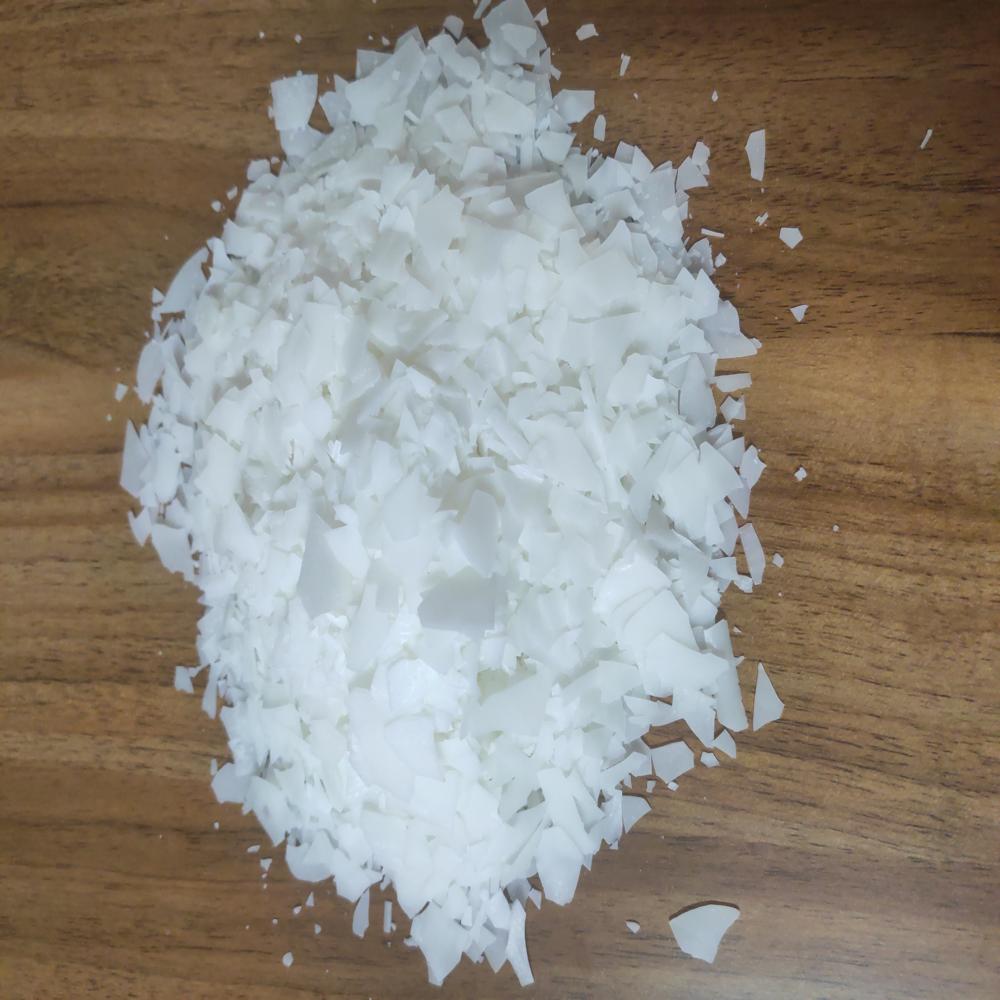
PVC internal lubricant
Price 140000.0 INR / Ton
Minimum Order Quantity : 1 Ton
Storage : Other, Store in cool, dry place, away from sunlight
Physical Form : Solid
Product Type : PVC Internal Lubricant
Properties : Excellent compatibility with PVC, reduces melt viscosity, and improves processing
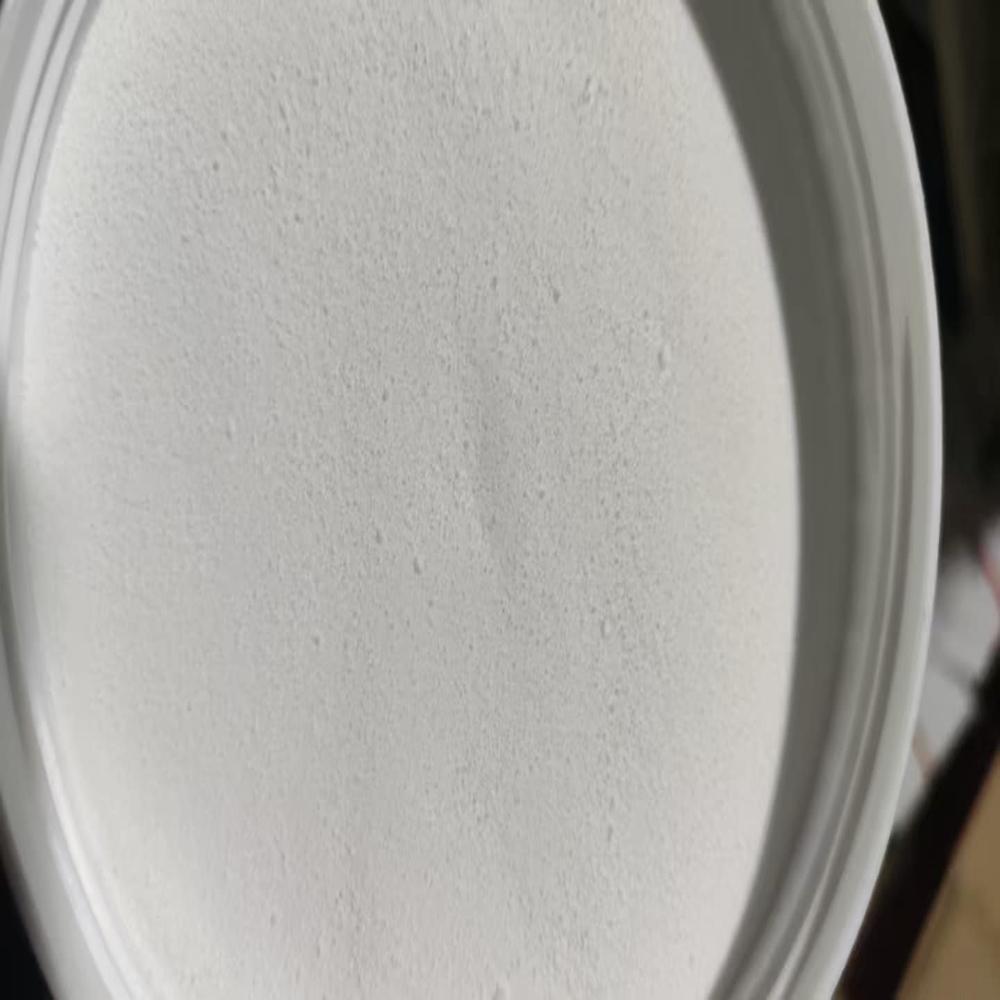
WPC processing aid
Price 2500.0 USD ($) / Ton
Minimum Order Quantity : 1 Ton
Storage : Room Temperature
Physical Form : Powder
Product Type : HPA 801
Properties : WPC foaming regulator is the "skeleton additive" for wood plastic foaming: without it, high filling WPC is difficult to stabilize foaming; Make good use of it to improve quality, cost, and efficiency
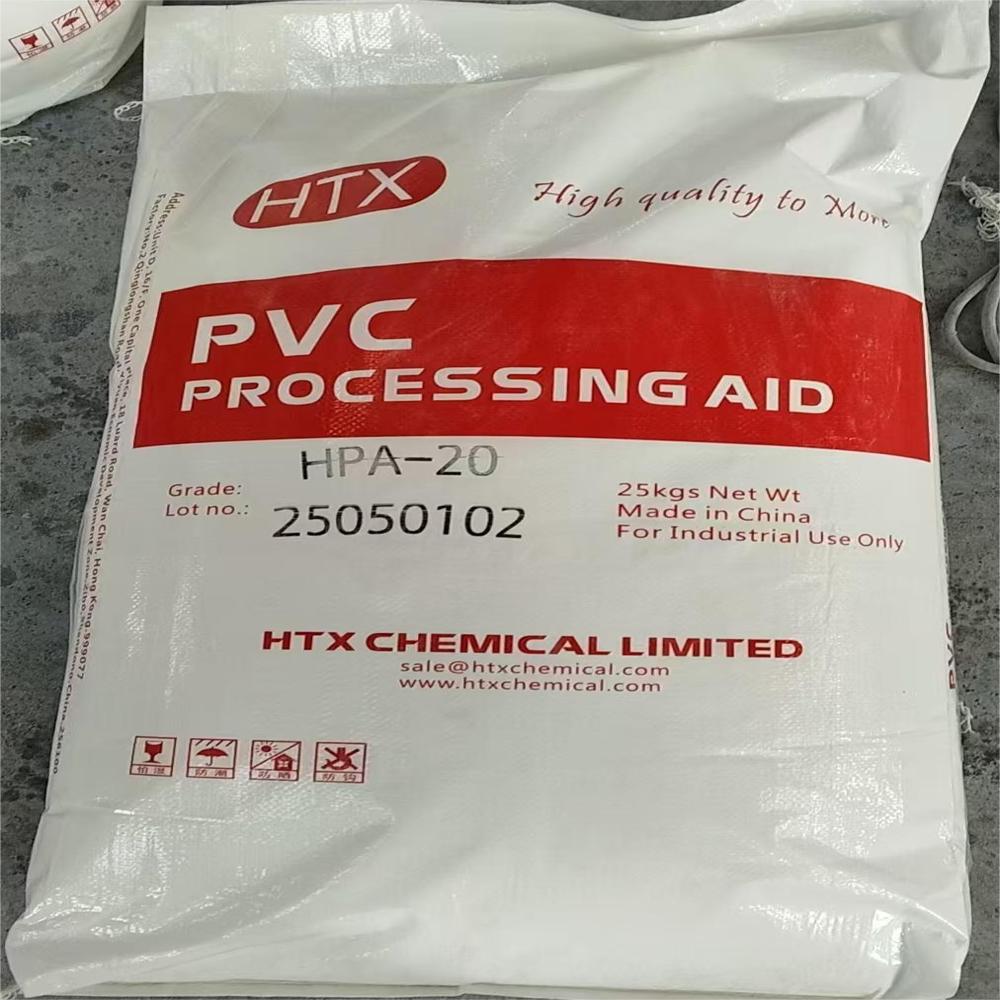
Foaming regulator for PVC foam board
Price 1650.0 USD ($) / Ton
Minimum Order Quantity : 1 Ton
Storage : Room Temperature
Physical Form : Powder
Product Type : General chemical
Properties : Where are PVC foaming regulators widely applied in the plastics industry? PVC foaming regulators are mainly used for rigid PVC foamed products. The largest consumption lies in building materials, covering PVC free foam boards, skin foam boards, decorative wall panels and advertising foam boards. It is also widely adopted in PVC foamed profiles, foamed cavity profiles for windows & doors, as well as WPC foamed boards and grilles. For pipe sector, it is applied in co extruded foam core pipes and hollow foamed drainage pipes to realize weight reduction and noise reduction. Other typical products include PVC artificial marble foamed sheets, foamed picture frames and decorative mouldings. A small amount is used for injection molded PVC foam parts. This additive is mostly designed for rigid PVC extrusion foaming rather than non PVC systems. Different molecular weight grades are selected according to end products. Higher performance is required for high calcium filled formulas and high speed extrusion lines.

PVC foam board foaming regulator
Price 2300.0 USD ($) / Ton
Minimum Order Quantity : 1 Ton
Storage : Room Temperature
Physical Form : Powder
Product Type : General chemical
Properties : The foaming regulator used for PVC foam board is the "guardian of foam pores", which endows the melt with sufficient strength and elasticity through ultrahigh molecular weight structure, achieving the core goals of "small bubbles, uniform bubbles, strong skin, and stable shape". Choosing models that are suitable for thickness and process, combined with reasonable formulas and process parameters, can significantly improve the quality and production efficiency of foam boards.

Contact Us

- Yiyuan Economic Development Zone,Zibo - 256100, Shandong Sheng, China
- Email us : wong@htxchemical.com, sale@htxchemical.com

Shandong HTX Chemical Co., Ltd.

- Mr. Ben Wong (Director)
- Mobile : +8613360034539
- sale@htxchemical.com
 Send Inquiry

 Send Inquiry
 Call Me Free

Shandong HTX Chemical Co., Ltd.
All Rights Reserved.(Terms of Use)
Developed and Managed by Infocom Network Private Limited.
Developed and Managed by Infocom Network Private Limited.
 English
 Spanish
 French
 German
 Italian
 Chinese (Simplified)
 Japanese
 Korean
 Arabic
 Portuguese
