
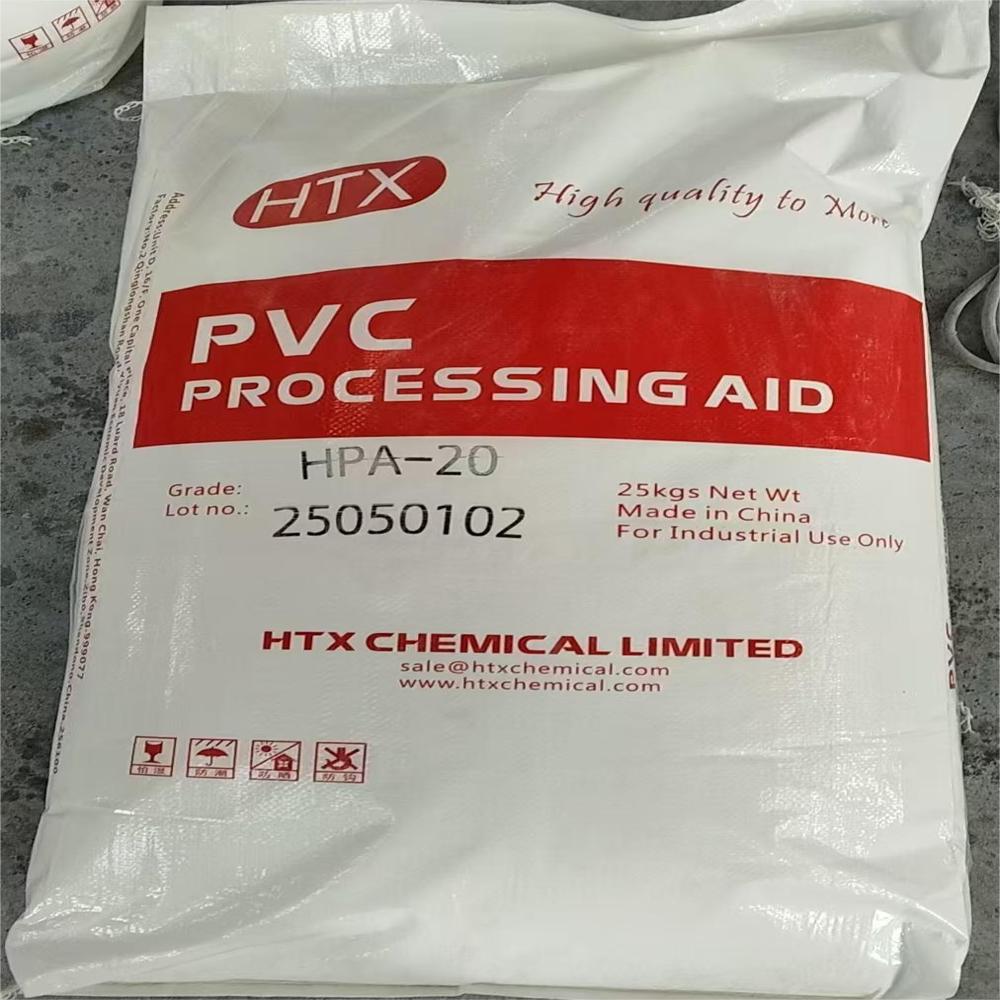
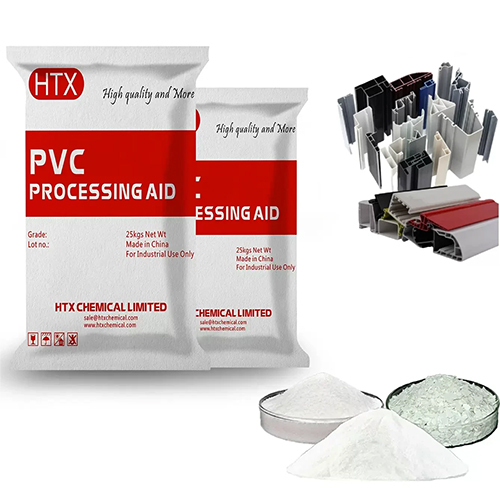
PVC processing aid for PVC blinds
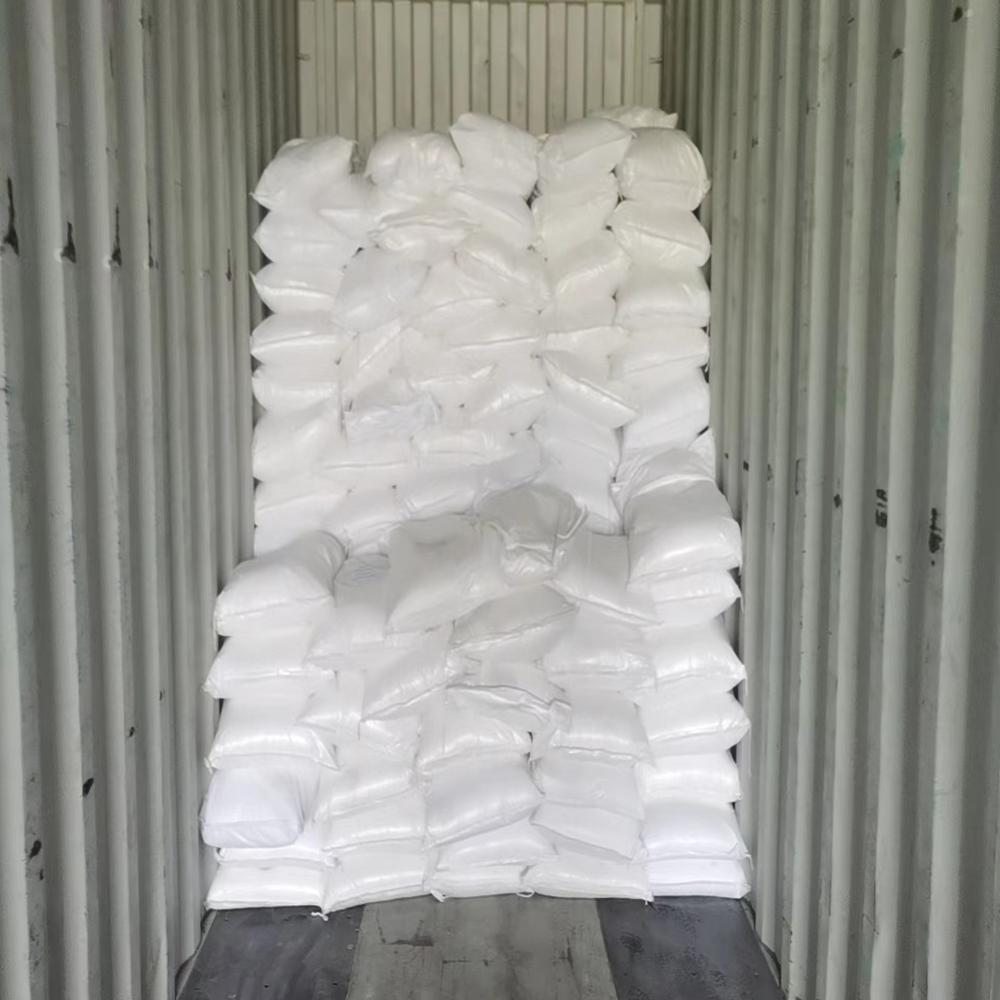
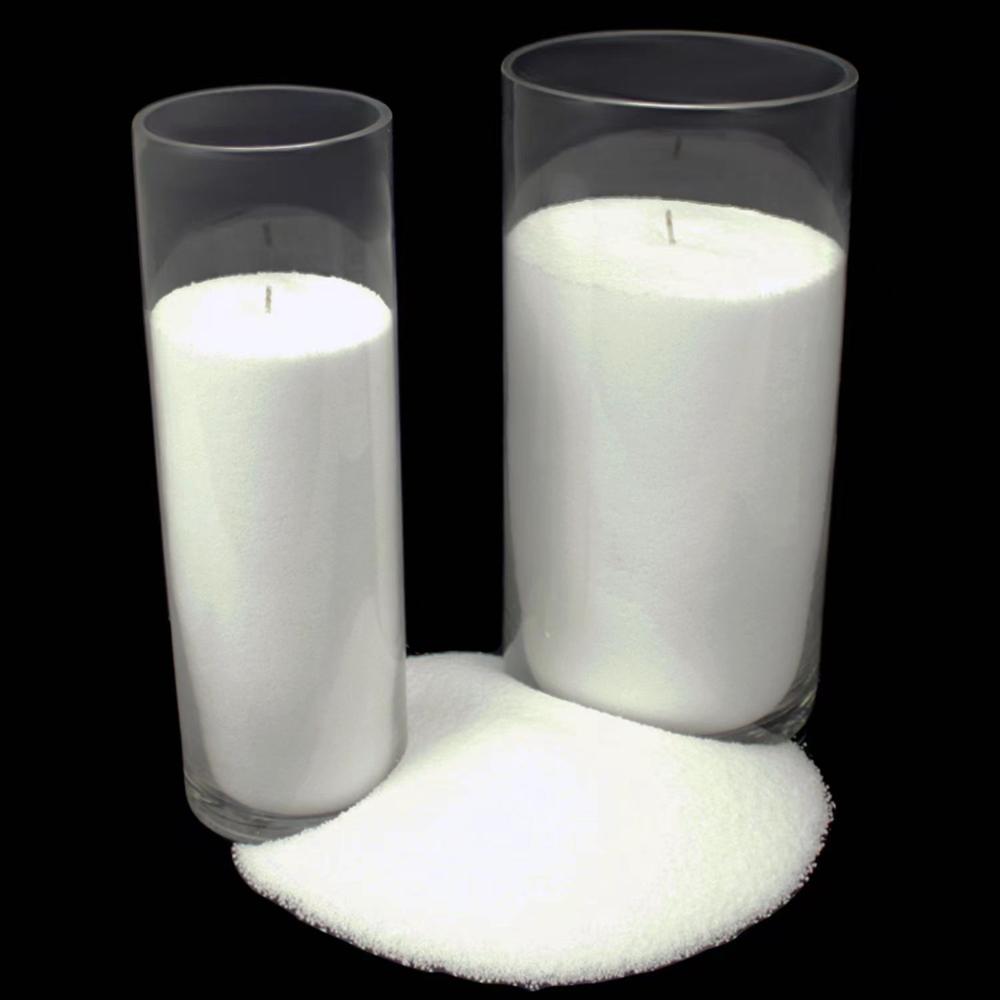

PVC processing aid for PVC blinds Specification
- Melting Point
- 105
- Shape
- other
- Taste
- Other
- Properties
- Acrylic processing aids (ACR) are polymeric acrylate powders copolymerized from methyl methacrylate and acrylates. Exhibiting excellent compatibility with rigid PVC resin, they serve as indispensable rheological aids for the extrusion and injection molding of PVC shutters. PVC shutters often feature thin-walled, narrow slats, foamed structures, or transparent designs. Pure PVC tends to exhibit slow plasticization and insufficient melt strength, leading to defects such as strand breakage, surface ripples, uneven thickness, pitting, and "fish-eyes" during high-speed production; ACR effectively resolves these processing challenges.
- Appearance
- White powder
- HS Code
- 390690
- Physical Form
- Powder
- Storage
- Room Temperature
- Purity
- 100%
- Usage
- 2.0~3.5
- Smell
- Other
- CAS No
- 25852-37-3
- Density
- 4.5-6.0 Kilogram per litre (kg/L)
- Shelf Life
- 2 Years
- Application
- Industrial
- Poisonous
- NO
- Product Type
- HPA 125
PVC processing aid for PVC blinds About
Acrylic processing aids (ACR) are polymeric acrylate powders copolymerized from methyl methacrylate and acrylates. Exhibiting excellent compatibility with rigid PVC resin, they serve as indispensable rheological aids for the extrusion and injection molding of PVC shutters. PVC shutters often feature thin-walled, narrow slats, foamed structures, or transparent designs. Pure PVC tends to exhibit slow plasticization and insufficient melt strength, leading to defects such as strand breakage, surface ripples, uneven thickness, pitting, and "fish-eyes" during high-speed production; ACR effectively resolves these processing challenges.
ACR functions by wrapping its long molecular chains around PVC particles, rapidly transferring shear force and heat from the screw to accelerate overall resin plasticization. This allows for lower processing temperatures, thereby mitigating PVC degradation and yellowing caused by high heat. Simultaneously, the formation of temporary entanglements between molecular chains significantly enhances melt strength and tensile elasticity; this prevents thin-walled slats from sagging or tearing after extrusion, ensuring they remain straight and uniform. Furthermore, the additive promotes the even dispersion of fillers and additivessuch as calcium carbonate, stabilizers, and pigmentsreduces additive migration (blooming), and supports high-filler, low-cost formulation systems.
In terms of production, adding ACR effectively boosts extrusion output and lowers defect rates associated with strand breakage, melt fracture, and "shark-skin" surface defects. It also reduces material buildup at the die exit, extending the intervals between mold cleanings, and is suitable for various processes, including solid, lightweight micro-foamed, and transparent shutters, as well as injection-molded varieties. Regarding appearance, the finished products feature a smooth, high-gloss surface with uniform wall thickness and no warping or rippling. Transparent shutters remain clear without hazing, and the inherent UV resistance of the acrylic component ensures long-term color stability and resistance to yellowing during outdoor use.
Regarding performance, ACR improves the low-temperature toughness of PVC, making shutters resistant to brittle cracking during transport or in cold environments. Crucially, it achieves this without significantly compromising rigidity, ensuring dimensional stability and resistance to deformation over long-term use. Various molecular weight grades are available to suit different types of blinds products. A general-purpose, medium-molecular-weight grade is commonly used for standard solid-colored or white blinds, with an addition rate of 1.52.5 phr. High-molecular-weight grades featuring high melt strength are suitable for foamed blinds and ultra-thin, narrow slats, meeting the more rigorous melt tension requirements of high-speed, thin-wall extrusion.
Tell us about your requirement

Price:
Quantity
Select Unit
- 50
- 100
- 200
- 250
- 500
- 1000+
Additional detail
Mobile number
Email

More Products in PVC Processing Aid Category
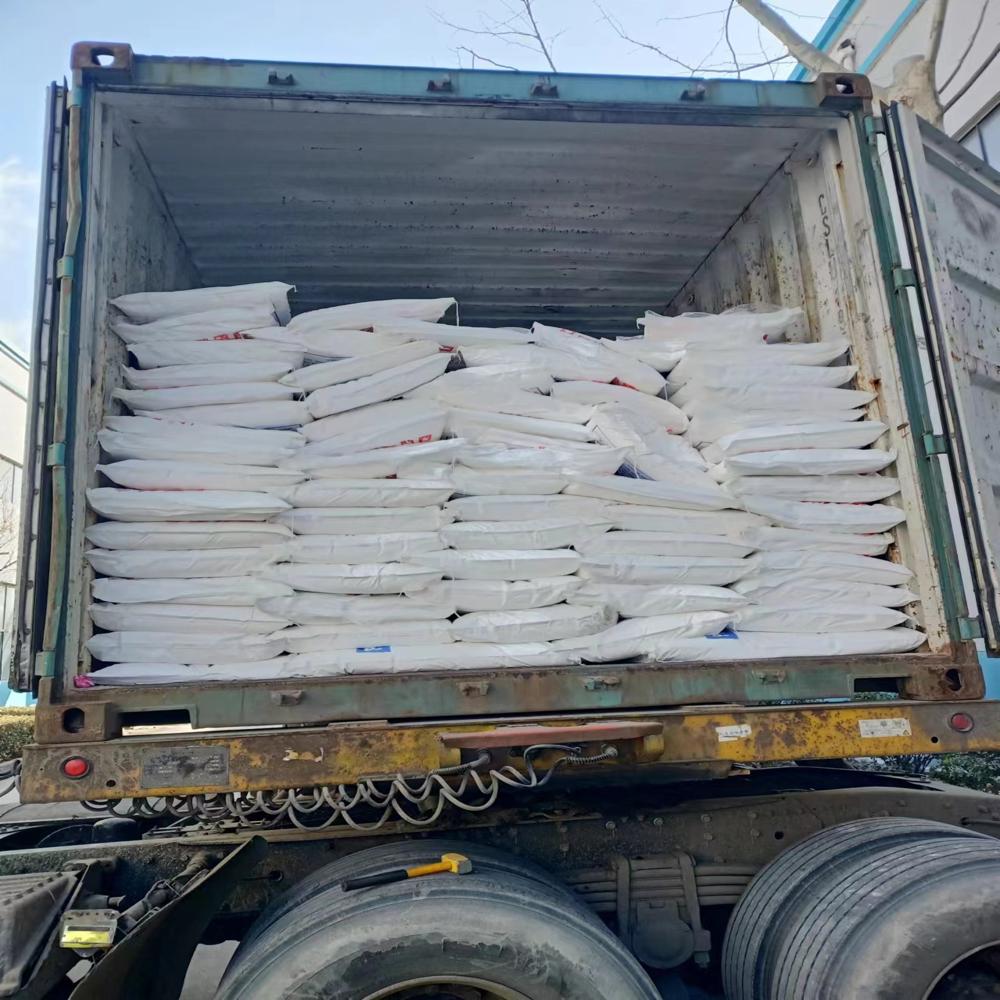
ACR 401 PROCESSING AID
Price 125000.0 INR / Ton
Minimum Order Quantity : 1 Ton
Physical Form : Powder
Product Type : Processing Aid
HS Code : 3906909090
Storage : Other
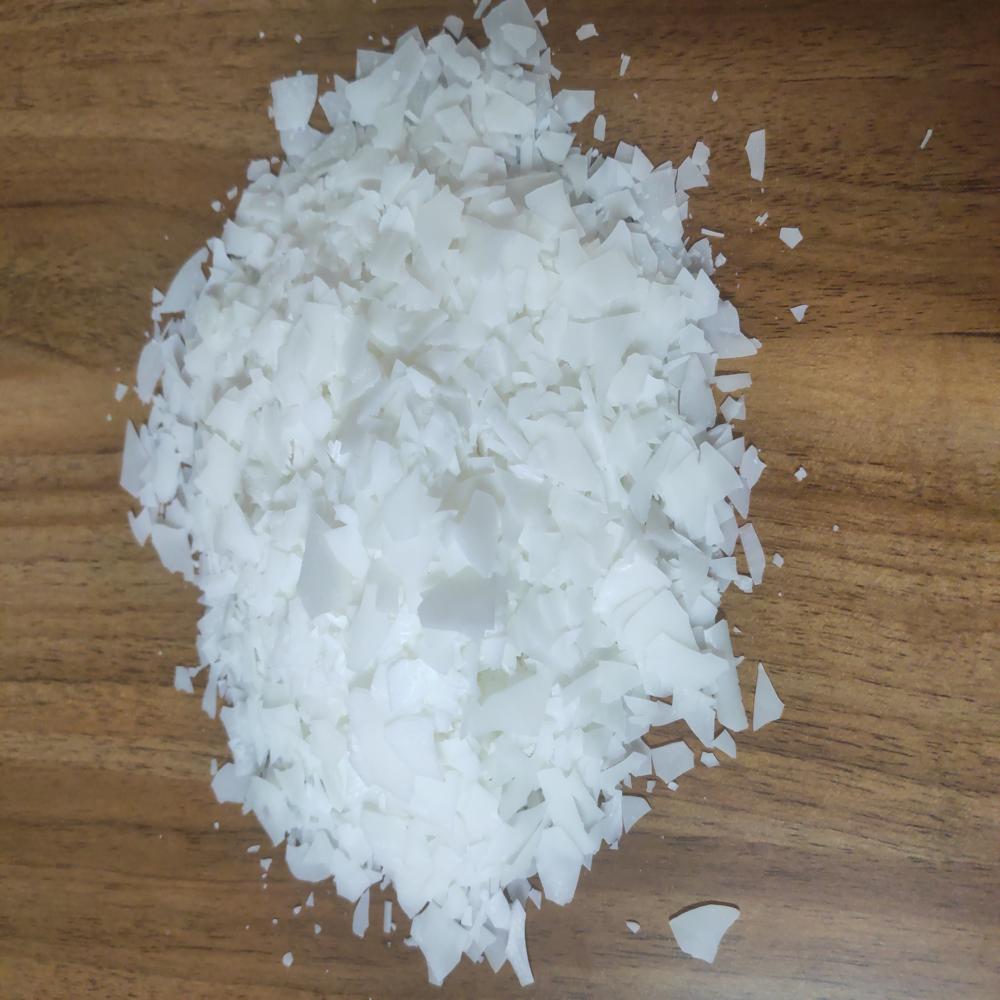
PVC internal lubricant
Price 140000.0 INR / Ton
Minimum Order Quantity : 1 Ton
Physical Form : Solid
Product Type : PVC Internal Lubricant
HS Code : 38122000
Storage : Other, Store in cool, dry place, away from sunlight
Foaming regulator for PVC foam board
Price 1650.0 USD ($) / Ton
Minimum Order Quantity : 1 Ton
Physical Form : Powder
Product Type : General chemical
HS Code : 390690
Storage : Room Temperature
SAN Processing Aid
Price 1600 USD ($) / Ton
Minimum Order Quantity : 10 Tons
Physical Form : Powder
Product Type : Acrylic Processing Aid
Storage : Room Temperature

Contact Us

- Yiyuan Economic Development Zone,Zibo - 256100, Shandong Sheng, China
- Email us : wong@htxchemical.com, sale@htxchemical.com

Shandong HTX Chemical Co., Ltd.

- Mr. Ben Wong (Director)
- Mobile : +8613360034539
- sale@htxchemical.com
 Send Inquiry
 Send Inquiry
 Call Me Free
Shandong HTX Chemical Co., Ltd.
All Rights Reserved.(Terms of Use)
Developed and Managed by Infocom Network Private Limited.
Developed and Managed by Infocom Network Private Limited.
 English
 Spanish
 French
 German
 Italian
 Chinese (Simplified)
 Japanese
 Korean
 Arabic
 Portuguese