
ACR 401 PROCESSING AID
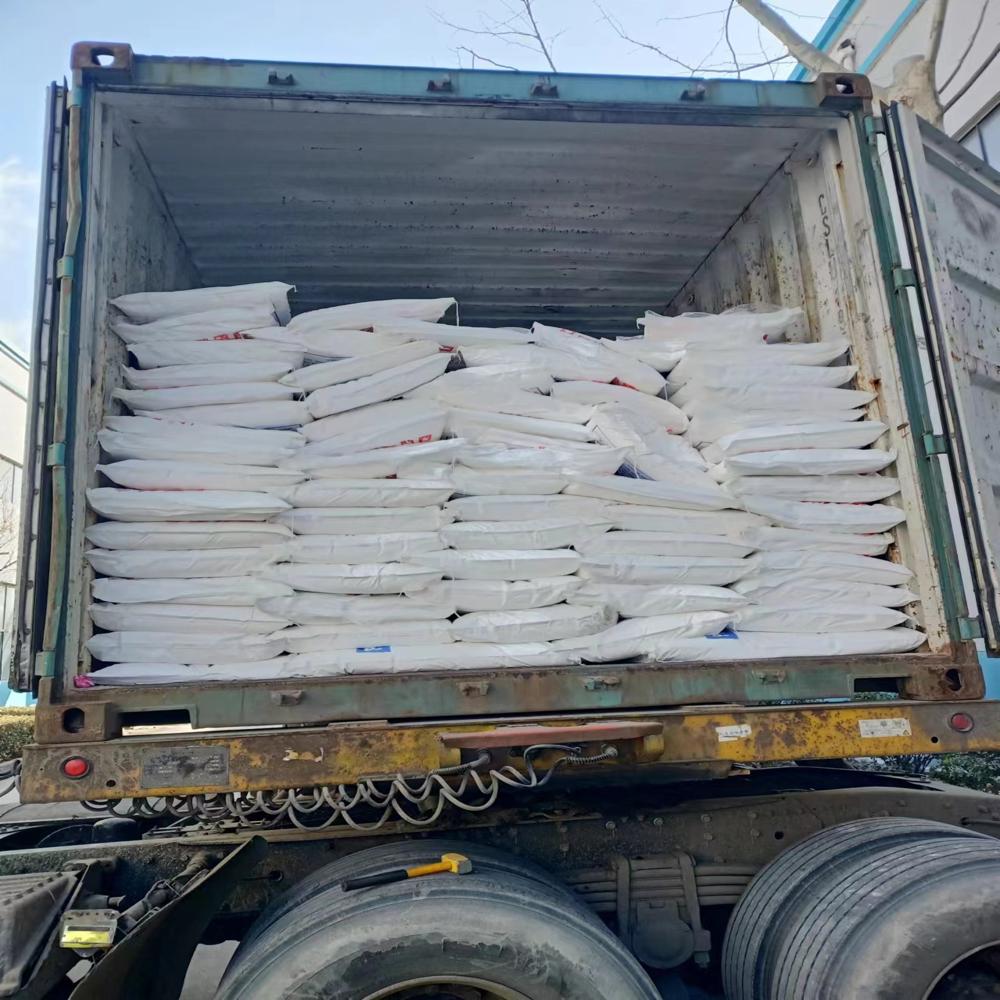

ACR 401 PROCESSING AID Specification
- EINECS No
- 607-492-2
- CAS No
- 25053-09-2
- Smell
- Other
- Application
- Other
- Structural Formula
- Acrylic-based polymer
- Grade
- Industrial
- Taste
- Odorless
- Shelf Life
- 2 Years
- Molecular Formula
- (-C5H8O2-)n
- Storage
- Other
- Melting Point
- >300C (Decomposes)
- Purity
- >=98%
- Properties
- Improves processing and surface quality, enhances melt strength, promotes fusion, increases productivity.
- Physical Form
- Powder
- Ph Level
- 7 (Neutral)
- HS Code
- 3906909090
- Usage
- 0.5-2.0 phr (depending on application)
- Appearance
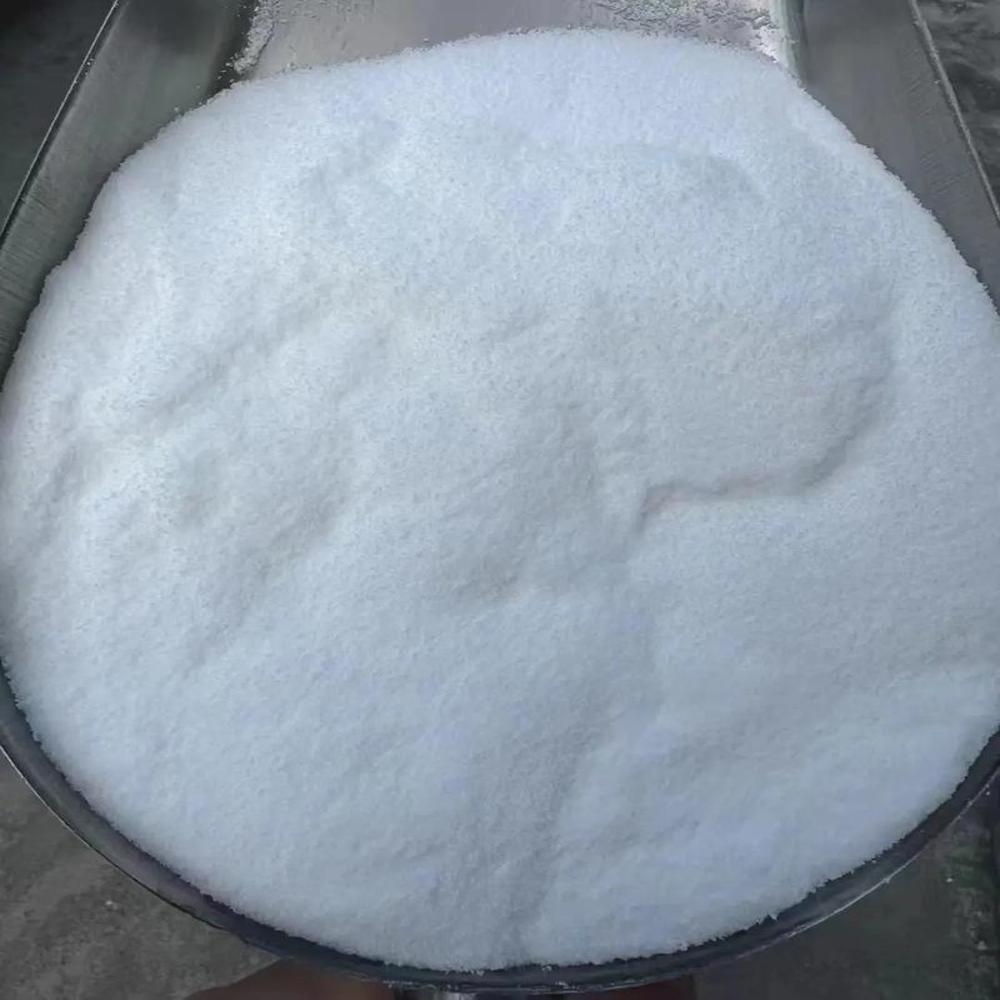
- White Free Flowing Powder
- Product Type
- Processing Aid
- Shape
- other
- Density
- 0.55 Gram per cubic centimeter(g/cm3)
- Molecular Weight
- Variable (polymeric material) GSM (gm/2)
- Poisonous
- NO
- Solubility
- Insoluble in water, dispersible in PVC matrix
- Ingredients
- Acrylic polymer
- Bulk Density
- 0.45-0.55 g/cm3
- Residue (on sieve 250 micron)
- Max 2.0%
- Moisture Content
- <1.0%
- Heat Stability
- Excellent thermal stability at PVC processing temperatures
- Non-Toxic
- Yes
- Packaging
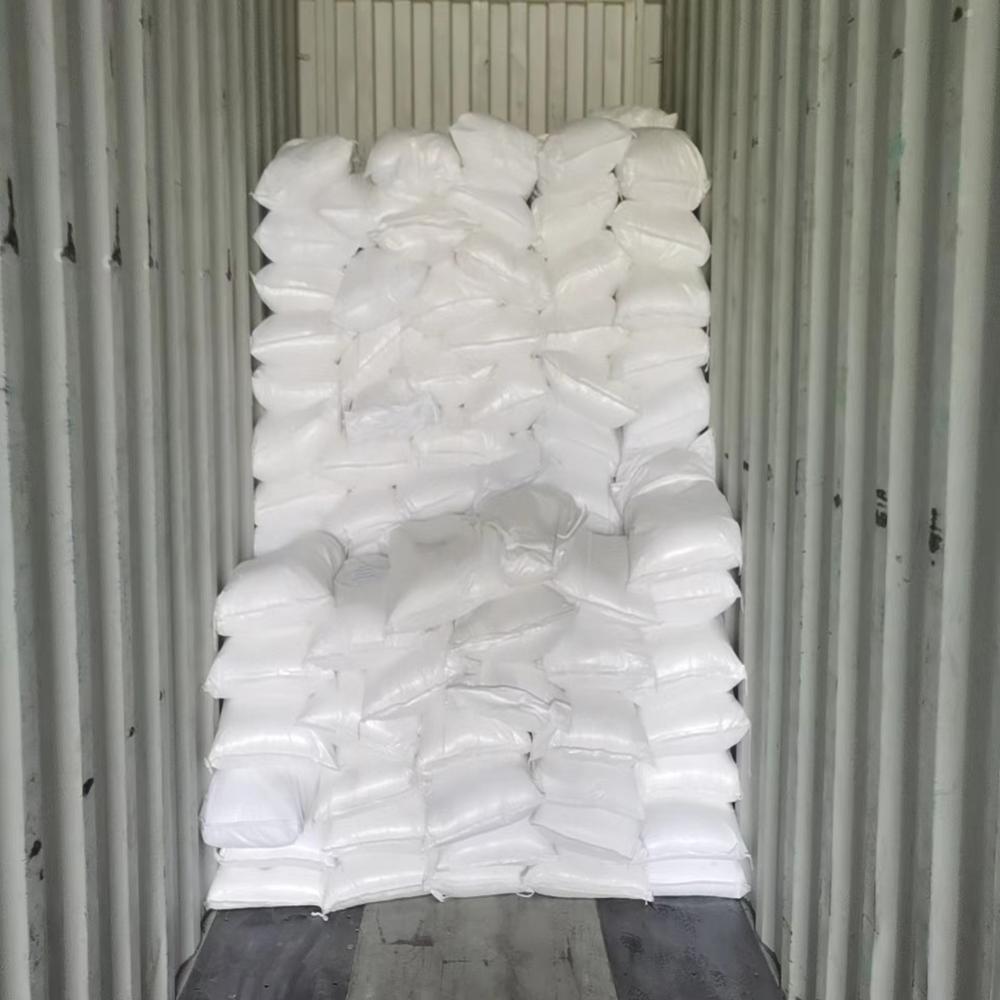
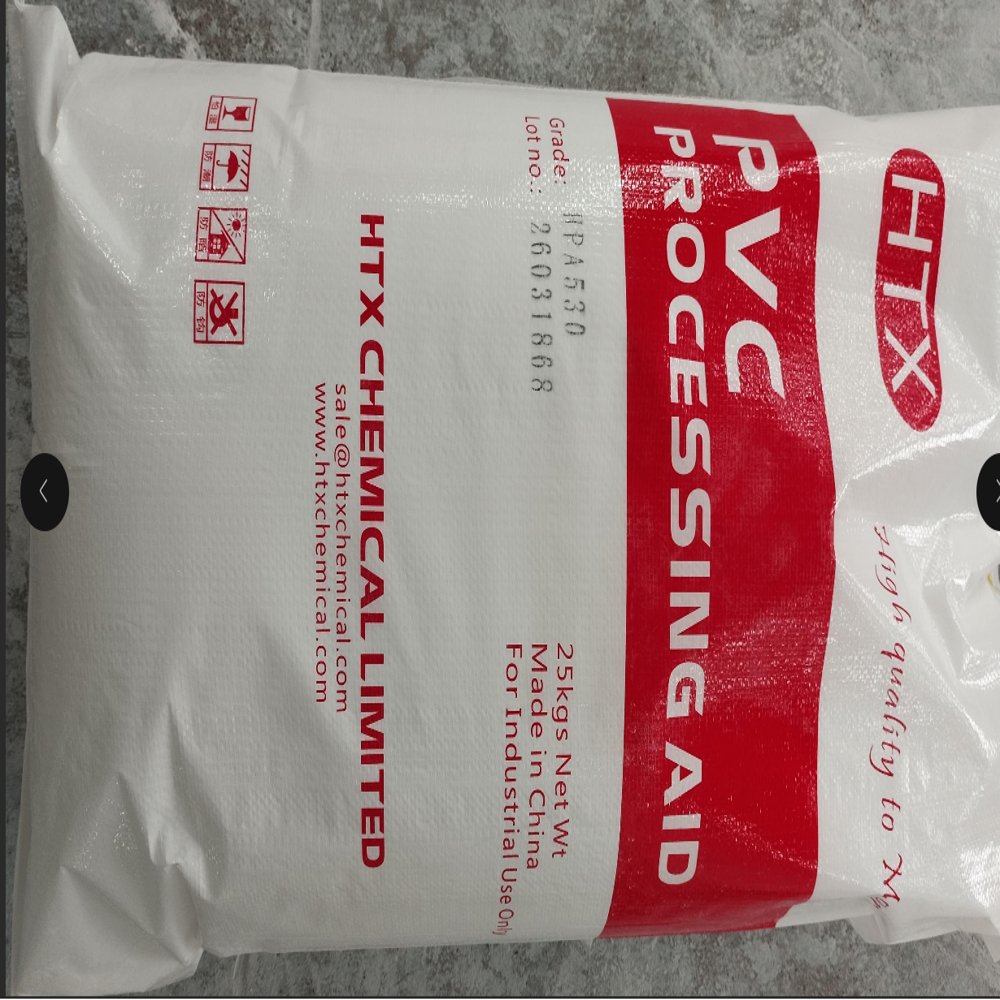
- 25kg bags or as required
- Compatibility
- Excellent compatibility with PVC
- Color
- White
- Particle Size
- <150 microns
ACR 401 PROCESSING AID Trade Information
- Minimum Order Quantity
- 1 Ton
- Supply Ability
- 1000 Tons Per Month
- Delivery Time
- 7 Days
ACR 401 PROCESSING AID About
ACR-401 is one of the most commonly used acrylate processing aids in the PVC plastics industry. It effectively solves problems in PVC material processing, such as accelerating plasticization and improving the surface finish of products.
| Chemical Nature | Copolymer of methyl methacrylate (MMA) and acrylates |
| Physical Form | White, free-flowing fine powder |
| Core Functions | Promotes melt plasticization, increases melt strength, and improves product surface quality |
| Main Uses | Rigid PVC products, such as pipes, profiles (doors and windows), sheets, and fittings |
| Typical Dosage | 1-10 parts per 100 parts of PVC resin, depending on the product |
| Common Packaging | 20-25 kg/bag (kraft paper bag or woven bag) |
Its effects are mainly reflected in two aspects: processing performance and final product quality:
* Optimizes the processing process: ACR-401 can entangle with PVC molecular chains, significantly shortening plasticization time and making melting more uniform. It also improves melt strength, preventing problems such as melt fracture and surface roughness during extrusion.
* Improved Product Quality: By promoting uniform plasticization, it reduces surface defects such as fisheyes, crystal points, and ripples, improving surface gloss and smoothness. It also helps improve certain physical and mechanical properties of the product.
In summary, ACR-401 is a fundamental additive that significantly improves the processing performance of PVC. If you encounter problems such as slow plasticization, poor melt strength, or unsatisfactory surface finish in rigid PVC production, adding ACR-401 is usually a direct and effective solution.
If you would like to know the price differences between different brands of ACR-401, or want a detailed comparison with other types of processing aids, I can provide you with more information.
Advanced Performance in PVC Processing
ACR 401 Processing Aid significantly improves the quality and efficiency of PVC manufacturing. Its acrylic polymer composition boosts surface smoothness, melt strength, and promotes rapid fusion, making it a key additive for extrusion, calendaring, and injection molding applications. Its excellent thermal stability at typical PVC processing temperatures ensures consistent results even under demanding industrial conditions.
Safety and Storage Guidelines
This non-toxic, odorless processing aid is specifically formulated for ease of handling and environmental safety. With a purity of at least 98% and a pH of 7, it poses minimal risk during use. For best performance and to maintain its shelf life of 12 months, store ACR 401 in a cool, dry place, away from direct sunlight and any moisture infiltration. Always keep packaging securely closed.
FAQ's of ACR 401 PROCESSING AID:
Q: How is ACR 401 Processing Aid applied in PVC manufacturing?
A: ACR 401 is added directly to PVC formulations during compounding. The typical usage rate ranges from 0.5 to 2.0 parts per hundred resin (phr), but optimal dosage should be determined based on the specific process and application, such as extrusion or injection molding.Q: What benefits does ACR 401 provide in PVC processing?
A: This processing aid enhances melt strength, promotes rapid fusion, and improves overall surface quality. Its use results in increased productivity, smoother product appearance, and stable processing even at elevated temperatures.Q: What are the storage recommendations for ACR 401 Processing Aid?
A: Store ACR 401 in a cool, dry environment away from direct sunlight and moisture. Keeping the packaging closed when not in use helps to maintain its stability and effectiveness for up to 12 months.Q: When should I consider using ACR 401 Processing Aid in my PVC production process?
A: ACR 401 should be used whenever you require improved processability, better fusion, and enhanced surface quality in PVC products, particularly in extrusion, calendaring, or injection molding applications.Q: Where is ACR 401 most commonly utilized?
A: This additive is commonly used in PVC processing industries including piping, profile, sheet extrusion, calendaring, and related fields. It is suitable for operations that demand high thermal stability and smooth finished products.Q: What is the physical form and appearance of ACR 401?
A: ACR 401 is supplied as a white, free-flowing powder, with a bulk density of 0.45-0.55 g/cm3 and a particle size below 150 microns, making it easy to disperse and handle during production.Tell us about your requirement

Price:
Quantity
Select Unit
- 50
- 100
- 200
- 250
- 500
- 1000+
Additional detail
Mobile number
Email

More Products in PVC Processing Aid Category
High density OPE wax for foam board
Price 2000.0 USD ($) / Ton
Minimum Order Quantity : 1 Ton
Physical Form : Powder
Storage : Room Temperature
Poisonous : NO
Product Type : General chemical
Low density OPE wax for CPVC
Price 3000.0 USD ($) / Ton
Minimum Order Quantity : 1 Ton
Physical Form : Powder
Storage : Room Temperature
Poisonous : NO
Product Type : General chemical
PVC processing aid for foaming board
Price 2200.0 USD ($) / Kilograms
Minimum Order Quantity : 1 Kilograms
Physical Form : Powder
Storage : Room Temperature
Poisonous : NO
Product Type : General chemical
High density OPE wax for WPC
Price 2300.0 USD ($) / Ton
Minimum Order Quantity : 1 Ton
Physical Form : Powder
Storage : Room Temperature
Poisonous : NO
Product Type : General chemical

Contact Us

- Yiyuan Economic Development Zone,Zibo - 256100, Shandong Sheng, China
- Email us : wong@htxchemical.com, sale@htxchemical.com

Shandong HTX Chemical Co., Ltd.

- Mr. Ben Wong (Director)
- Mobile : +8613360034539
- sale@htxchemical.com
 Send Inquiry
 Send Inquiry
 Call Me Free
Shandong HTX Chemical Co., Ltd.
All Rights Reserved.(Terms of Use)
Developed and Managed by Infocom Network Private Limited.
Developed and Managed by Infocom Network Private Limited.
 English
 Spanish
 French
 German
 Italian
 Chinese (Simplified)
 Japanese
 Korean
 Arabic
 Portuguese