
OPE wax for foam board
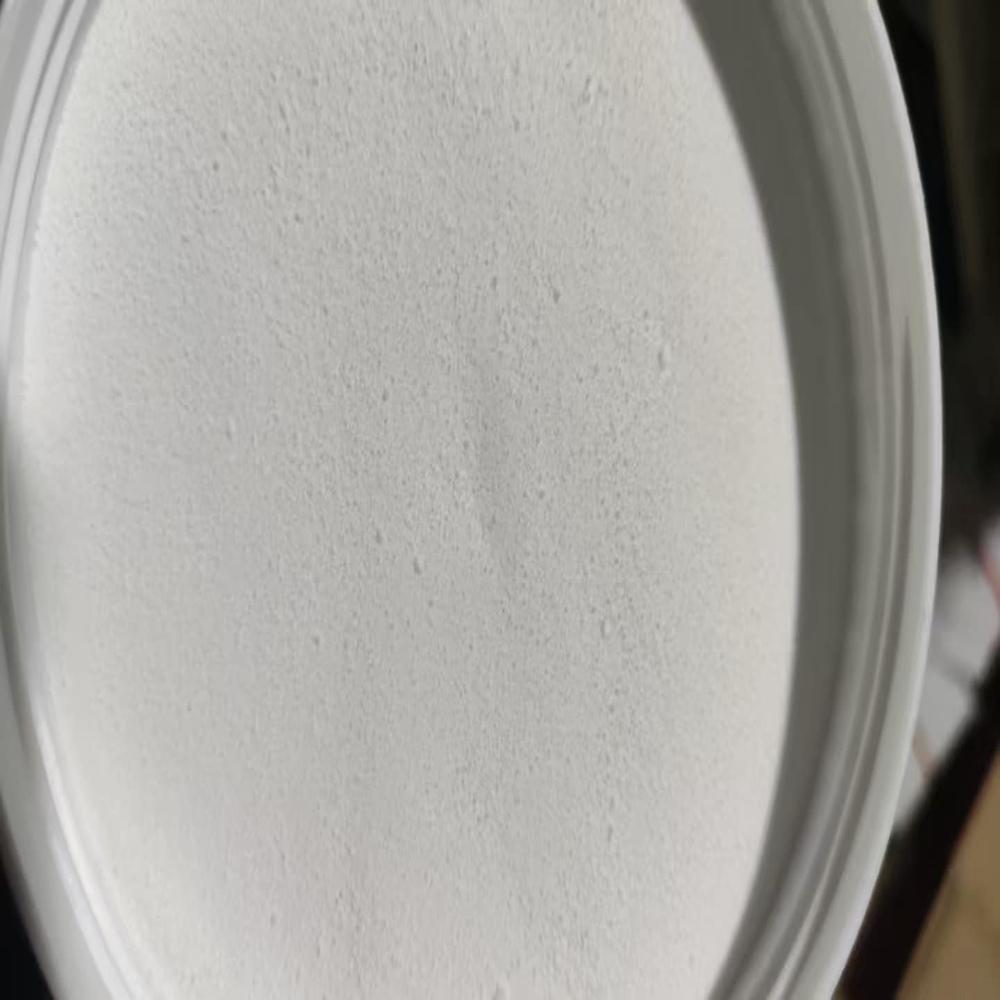

OPE wax for foam board Specification
- Purity
- 100%
- Physical Form
- Powder
- Product Type
- General chemical
- Taste
- Other
- Storage
- Room Temperature
- Smell
- Other
- Usage
- Recommended dosage: Typically 0.3 0.5 phr for integral-skin foam boards; do not exceed this range. Dosages >0.8 phr can cause surface hazing, reduced gloss, and compromised mechanical properties. It is common to combine this with a small amount of PE wax (0.2 0.3 phr) to supplement late-stage external lubrication and create a balanced lubrication system.
- Properties
- Oxidized wax serves as a core lubricant and processing aid in PVC foam board formulations. Leveraging its polar carboxyl and hydroxyl groups, it provides both internal and external lubrication, facilitates filler dispersion, and enhances melt strength; it directly determines cell structure, surface appearance, and extrusion stability. Foam boards demand higher standards for melt strength, balanced plasticization, and lubrication compared to standard solid boards, and oxidized wax is the key material for addressing the specific challenges of this system.
- Application
- Industrial
- Grade
- OX316
- Poisonous
- NO
- Shape
- other
- Shelf Life
- 2 Years
- HS Code
- 390490
- Melting Point
- 130~140
OPE wax for foam board About
Oxidized wax serves as a core lubricant and processing aid in PVC foam board formulations. Leveraging its polar carboxyl and hydroxyl groups, it provides both internal and external lubrication, facilitates filler dispersion, and enhances melt strength; it directly determines cell structure, surface appearance, and extrusion stability. Foam boards demand higher standards for melt strength, balanced plasticization, and lubrication compared to standard solid boards, and oxidized wax is the key material for addressing the specific challenges of this system.
1. Five Core Functions in Foam Boards
1. Regulating plasticization and balancing internal/external lubrication
Its polar groups are highly compatible with PVC, providing internal lubrication by reducing friction between PVC molecules and promoting uniform plasticization. Meanwhile, the carbon chain segment provides external lubrication, reducing friction between the melt and metal components (screw and die), improving mold release, and preventing sticking or material scorching.
Foaming processes are highly sensitive to two issues: insufficient plasticization (leading to coarse cells and a crumbly surface) and excessive plasticization (causing a loss of melt strength and cell collapse). Oxidized wax allows for the smooth regulation of the gelation rate, preventing erratic fluctuations.
2. Dispersing calcium carbonate and blowing agents
In high-calcium-filled foam boards, calcium carbonate tends to agglomerate. The polar groups of the oxidized wax wet the powder particles, ensuring uniform dispersion of calcium powder and AC blowing agents. This prevents localized clustering of blowing agents, thereby reducing surface defects such as pinholes, pits, and uneven cell sizes.
3. Enhancing melt strength and stabilizing cell structure (critical for foaming)
During foaming, the AC blowing agent releases gas; the melt requires sufficient toughness to "contain" the bubbles without rupture, coalescence, or collapse. A suitable high-density oxidized wax enhances the melt's strain-hardening capability, resulting in a fine, uniform cell structure necessary for low-density foam boards. Insufficient melt strength leads to large bubbles, perforations, and voids in the board core.
4. Improving the appearance of the integral skin layer
It facilitates the formation of a complete, dense skin layer, enhancing surface gloss. It also reduces die plate-out and buildup, making it suitable for long-term continuous production while minimizing surface defects such as pitting and clouding marks. Compared to standard PE wax, oxidized wax carries a lower risk of plate-out (migration/exudation).
5. Reduces equipment wear
High-calcium formulations cause significant wear on screws and barrels; the lubricating film formed by oxidized wax mitigates the abrasive effect of powders on metal components, thereby extending equipment lifespan.
2. Impact of parameter selection on foam boards
- Acid Value: A medium acid value (1828 mg KOH/g) is standard for foam boards. Excessively high acid values lead to excessive internal lubrication and rapid plasticization, risking over-plasticization and foam collapse. Conversely, excessively low acid values result in insufficient polarity, poor dispersion, and increased plate-out.
- Molecular Weight / Viscosity: High-density, higher-viscosity OPE waxes are preferred as they significantly enhance melt strength. Low-viscosity oxidized waxes focus primarily on flow and offer poor melt strength enhancement, making them unsuitable for low-density foam boards.
>
> Recommended dosage: Typically 0.30.5 phr for integral-skin foam boards; do not exceed this range. Dosages >0.8 phr can cause surface hazing, reduced gloss, and compromised mechanical properties. It is common to combine this with a small amount of PE wax (0.20.3 phr) to supplement late-stage external lubrication and create a balanced lubrication system.
3. Typical foam board defects caused by improper use of oxidized wax
1. Insufficient dosage: Under-plasticization; results in coarse cells, rough board surfaces, and material sticking to the die.
2. Excessive dosage: Over-plasticization; results in reduced melt strength, cell collapse, brittleness, and a hazy board surface.
3. Incorrect grade (low viscosity/low acid value): Insufficient melt strength; prevents the production of low-density boards and leads to cell rupture.
4. Lubrication imbalance: Improper ratios with polyol esters or PE wax can lead to blooming (exudation) and die buildup. 4. Fundamental differences between oxidized wax and standard PE wax in foam boards
- Standard PE wax: Provides almost exclusively external lubrication and has poor compatibility with PVC; primarily serves as a mold-release agent. It offers little to no improvement in melt strength; using it alone in foam boards often leads to uncontrolled cell structure, so it is generally used only as a supplementary external lubricant.
- Oxidized wax (OPE): Combines internal and external lubrication and offers good compatibility. It provides both dispersing properties and enhanced melt strength, serving as the primary lubricant component in foam board formulations.
5. Summary of formulation logic
Foam board logic: Stabilizer + Blowing agent + ACR foaming regulator (primary source of melt strength) + Oxidized wax (lubrication + auxiliary melt strength + dispersion) + PE wax (late-stage external lubrication) + Calcium powder.
ACR regulators are the key driver of melt strength; while oxidized wax cannot replace ACR, it maximizes ACR's effectiveness through lubrication and dispersion. The two work synergistically to produce fine, uniform cells and a smooth surface skin.
Tell us about your requirement

Price:
Quantity
Select Unit
- 50
- 100
- 200
- 250
- 500
- 1000+
Additional detail
Mobile number
Email

More Products in PVC Processing Aid Category
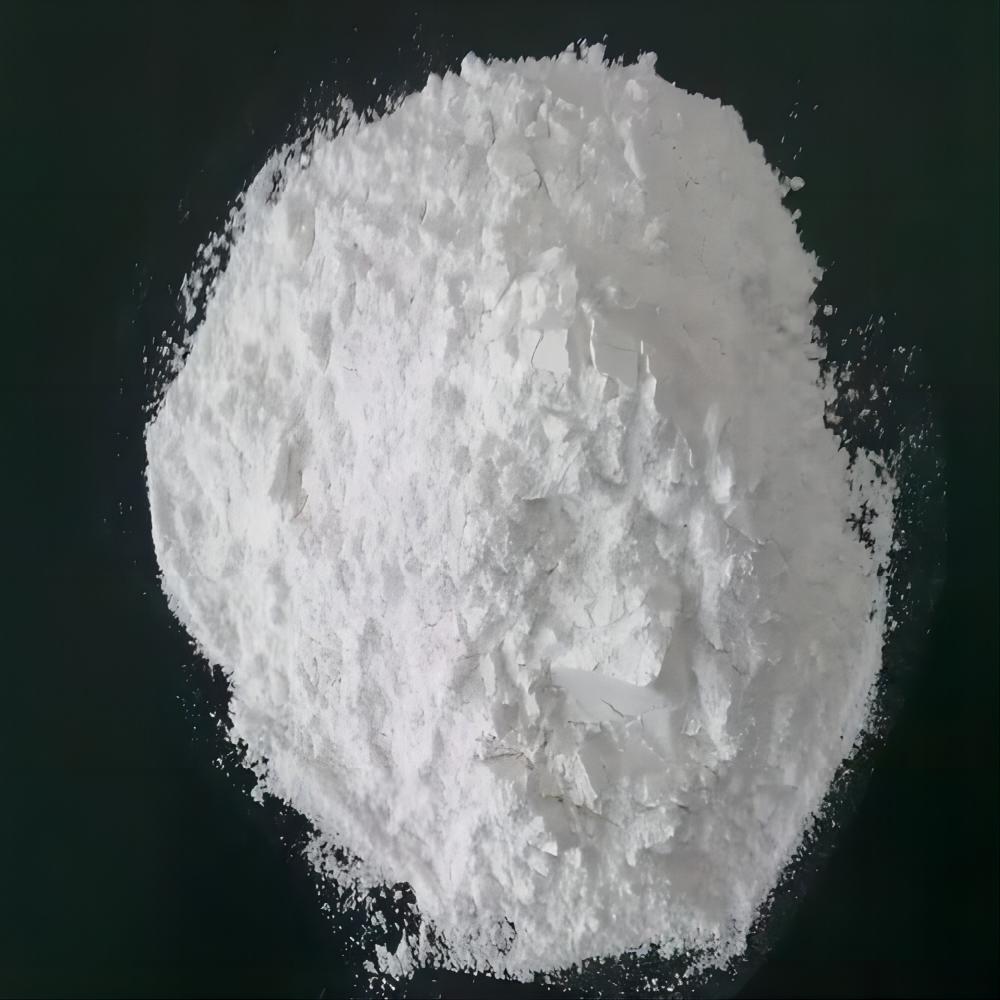
Low density OPE wax for CPVC compounds
Price 2700.0 USD ($) / Ton
Minimum Order Quantity : 1 Ton
Physical Form : Powder
Product Type : General chemical
Appearance : White powder
Purity : 100%
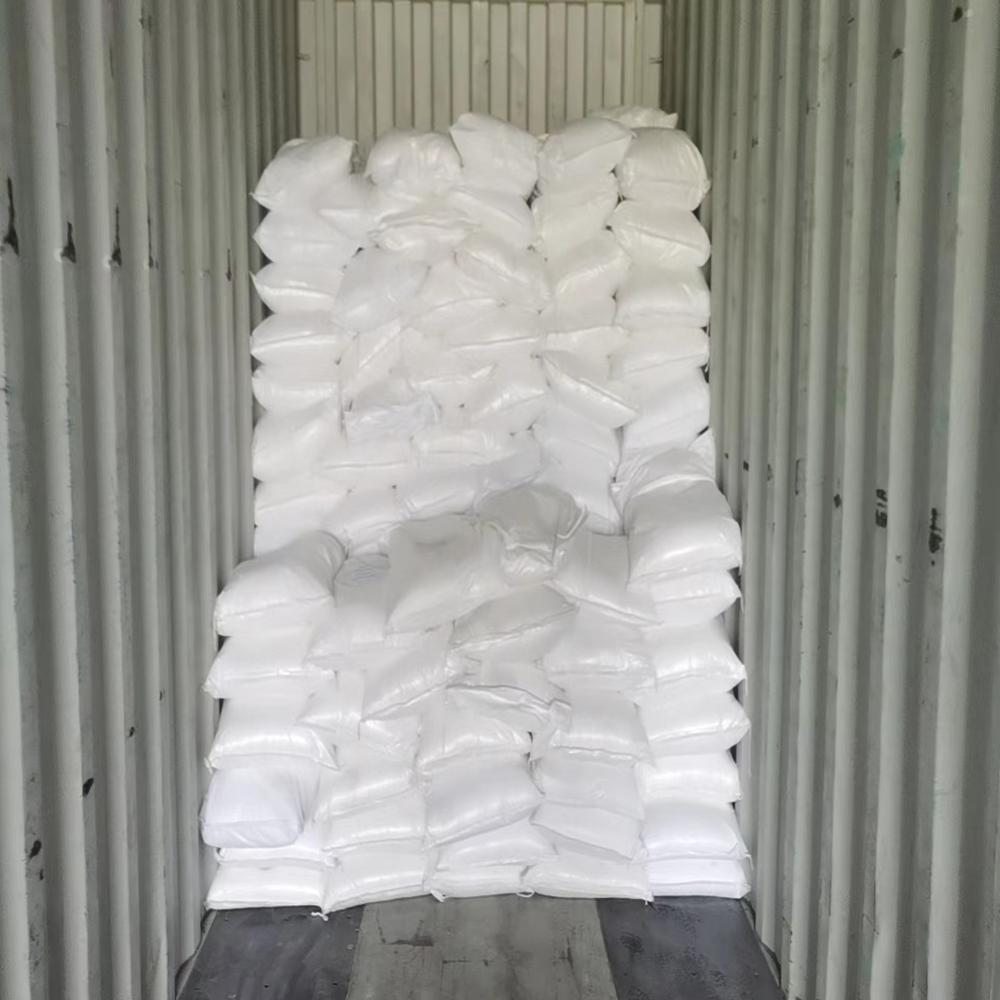
PVC processing aid for PVC blinds
Price 1850.0 USD ($) / Ton
Minimum Order Quantity : 1 Ton
Physical Form : Powder
Product Type : HPA 125
Appearance : White powder
Purity : 100%
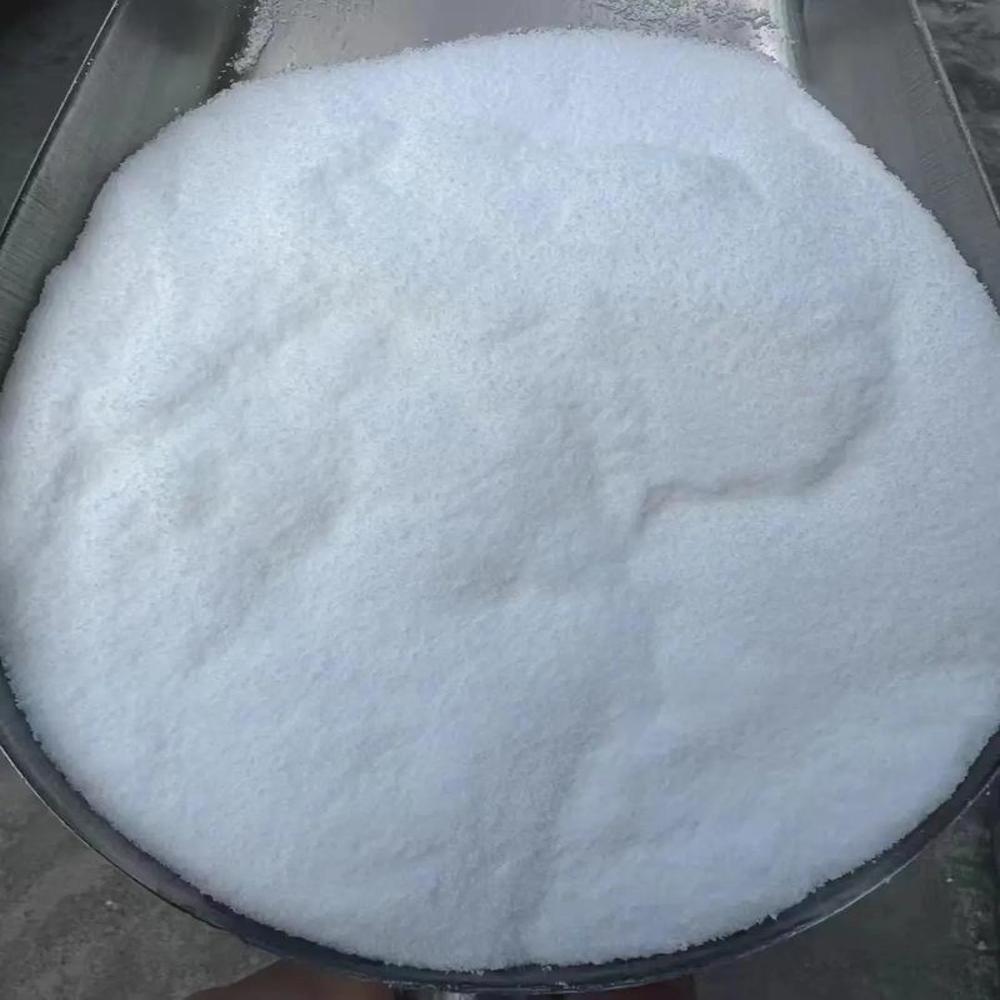
Oxidized polyethylene OPE wax
Price 2200.0 USD ($) / Ton
Minimum Order Quantity : 1 Ton
Physical Form : Powder
Product Type : General chemical
Appearance : white powder
Purity : 100 %
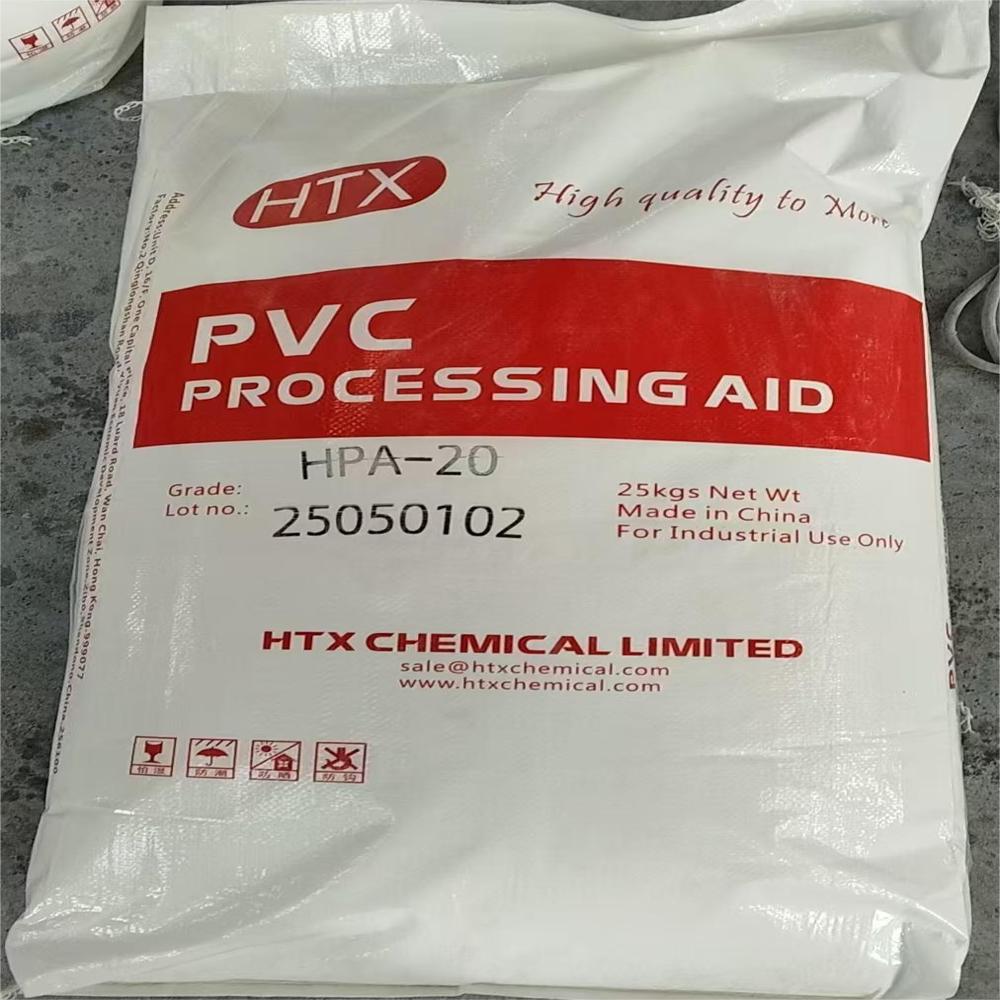
Foaming regulator for PVC foam board
Price 1650.0 USD ($) / Ton
Minimum Order Quantity : 1 Ton
Physical Form : Powder
Product Type : General chemical
Appearance : White powder
Purity : 100%

Contact Us

- Yiyuan Economic Development Zone,Zibo - 256100, Shandong Sheng, China
- Email us : wong@htxchemical.com, sale@htxchemical.com

Shandong HTX Chemical Co., Ltd.

- Mr. Ben Wong (Director)
- Mobile : +8613360034539
- sale@htxchemical.com
 Send Inquiry
 Send Inquiry
Shandong HTX Chemical Co., Ltd.
All Rights Reserved.(Terms of Use)
Developed and Managed by Infocom Network Private Limited.
Developed and Managed by Infocom Network Private Limited.
 English
 Spanish
 French
 German
 Italian
 Chinese (Simplified)
 Japanese
 Korean
 Arabic
 Portuguese